
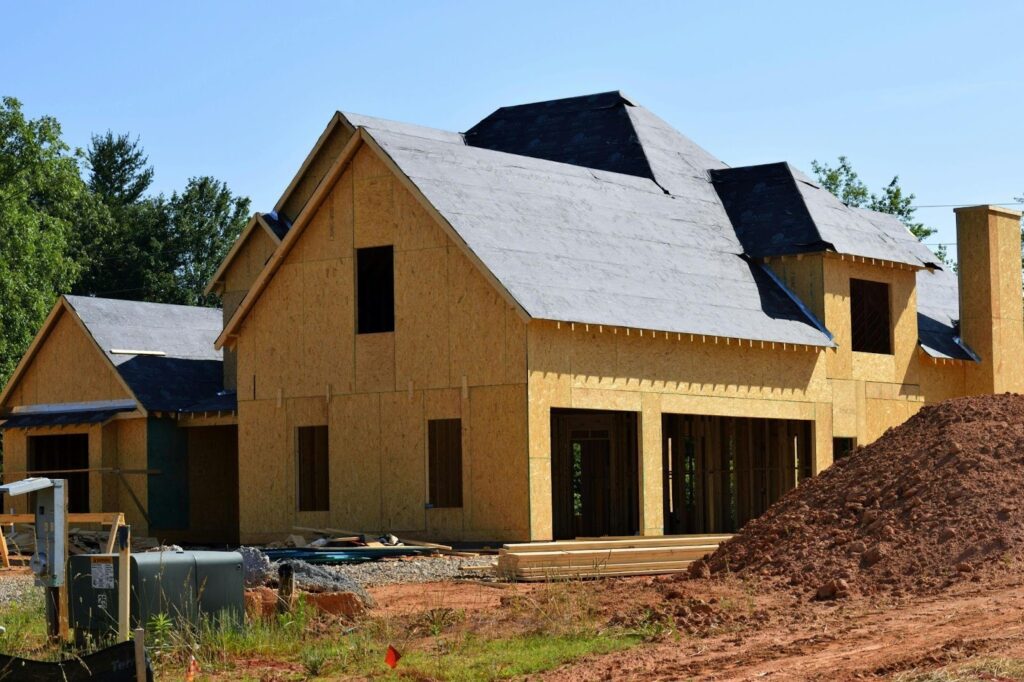
Building a home begins long before permits, plans, and site work come into view. The financial groundwork usually comes first, and credit plays a larger role in that process than many people realize. A credit file does more than present a score; it reflects patterns, obligations, and signs of financial stability.
This becomes especially important when a project involves a longer timeline and more variables than a typical home purchase. Lenders often review the full credit profile to understand how a borrower manages existing accounts and debt. Several key credit factors can influence how smoothly the financing process moves forward before construction begins.
The Credit Report Matters More Than the Score Alone
A strong score helps, but it is only the headline. The real story lies within the report itself, where lenders review account history, balances, payment patterns, and any public record issues. A file with fewer surprises usually moves more smoothly than one with a flashy score and messy details underneath.
That is why report accuracy should be checked early, not a few days before applying. Many borrowers start by trying to learn what credit score is needed to build a house, especially since FHA-backed lending often aligns with a 580 credit score for the lower 3.5 percent down payment requirement. Still, lenders do not stop at that number and usually dig deeper into the full report before making a decision.
Old addresses, duplicate accounts, incorrect late marks, and stale collection entries can distort the file and slow down the review. A borrower planning a build needs time to correct errors, since disputes and updates do not always move quickly. In many cases, a cleaner report carries more weight than a score that looks fine at first glance but includes details that still need explanation.
Payment History Still Carries the Most Weight
Payment history is still the clearest signal in most credit reviews. One recent late payment can raise more concern than many borrowers realize because it suggests current strain rather than past history. Older problems matter too, but fresh delinquencies usually get the most attention.
The pattern matters as much as the event. A single older issue followed by a long stretch of on-time payments tells a very different story from repeated missed payments across multiple accounts. For someone preparing to build, the goal is not a flawless record, but a pattern that reflects responsible financial habits. The goal is a recent record that looks stable, current, and easy to defend.
Debt Load and Card Utilization Shape the File Fast
Debt load is not just about the total amount owed. Reviewers also consider how much available revolving credit is being used and how heavy the monthly obligations appear. High card balances can weaken a credit profile even when payments are consistently made on time.
This is where timing becomes strategic. Paying down balances before the statement closes can change what’s reported, making the file look cleaner without affecting the borrower’s overall life. A person planning a build should pay close attention to card utilization, as it is one of the fastest-moving components of a credit profile.
Another issue is layered obligations. Auto loans, personal loans, installment plans, and large card balances can combine into a file that looks crowded even when income is solid. In a build scenario, that crowding matters because the project often brings added documentation and less room for weak spots.
New Accounts and Hard Inquiries Can Work Against Timing
Opening new credit shortly before applying can hurt more than people think. A fresh account lowers average account age, adds a new payment obligation, and can trigger more questions during review. The same applies to multiple hard inquiries clustered within a short period.
That does not mean every inquiry is a deal breaker. The problem is usually the message it sends when the rest of the file is under pressure as well. Someone planning to build should avoid taking on unnecessary new credit in the lead-up, because a quiet file is often easier to approve than an active one.
Documentation Can Make or Break It
A build file is rarely judged solely on credit data. Reviewers want to see that the borrower can clearly document assets, cleanly source funds, and maintain reasonable reserves after major project costs begin. Strong reserves do not replace weak credit, but they can make the overall file look more durable.
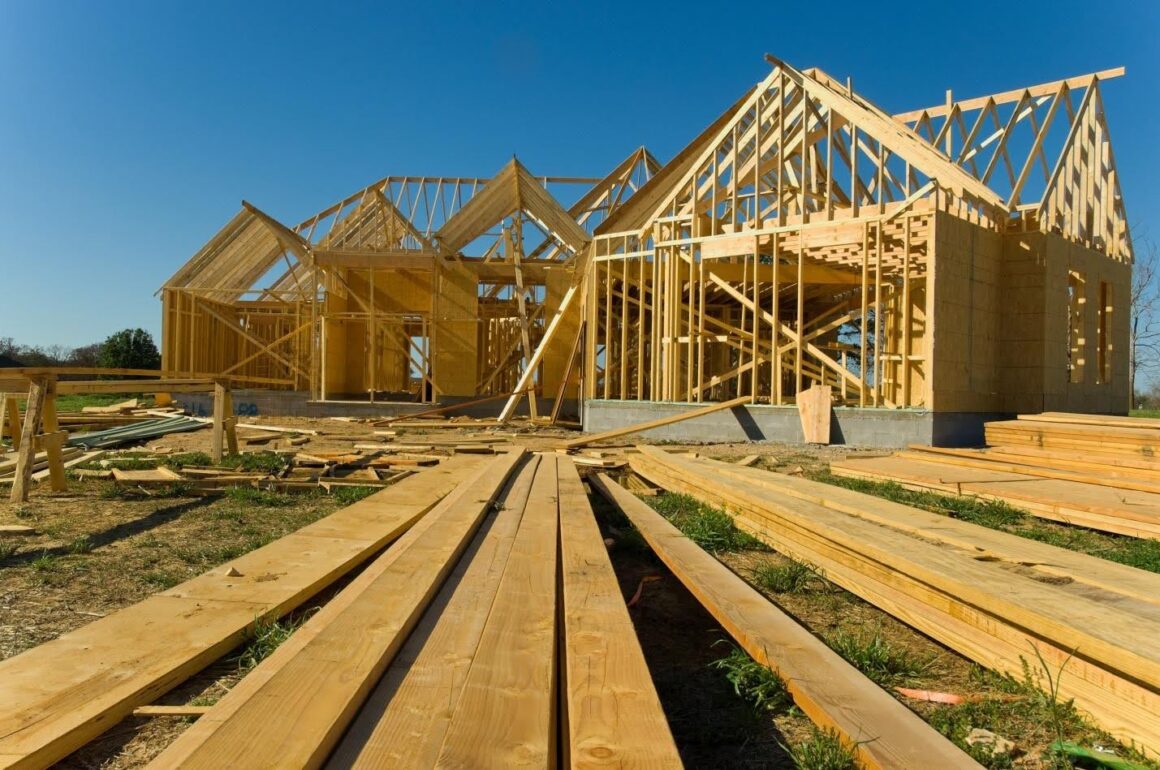
Documentation quality matters more than many applicants expect. Large unexplained deposits, frequent transfers between accounts, or inconsistent records can raise questions, even when the underlying funds are legitimate. In a build project, clean paper trails help the credit profile hold together by supporting the broader picture of control and stability.
Build the File Before the House
The visible part of a home build starts with plans, land, and materials. The less visible part starts much earlier, inside the credit file and the records behind it. That is where lenders begin forming their view of the project’s strength.
A borrower may focus on construction, but the credit profile often shapes the first real decision about financing. In that sense, the groundwork begins before anything is ever built on site, as financial preparation quietly sets the stage for the entire project.
More Stories
6 Tips to Help Your Cary, NC Home’s Air Quality Improve
How To Contact HomeRocketRealty.com: The Fast, Complete Guide For 2026
How to Balance Energy Efficiency & Comfort During Home Renovations
Why Regular Window and Eavestrough Cleaning Protects Your Home