
Quick Answer
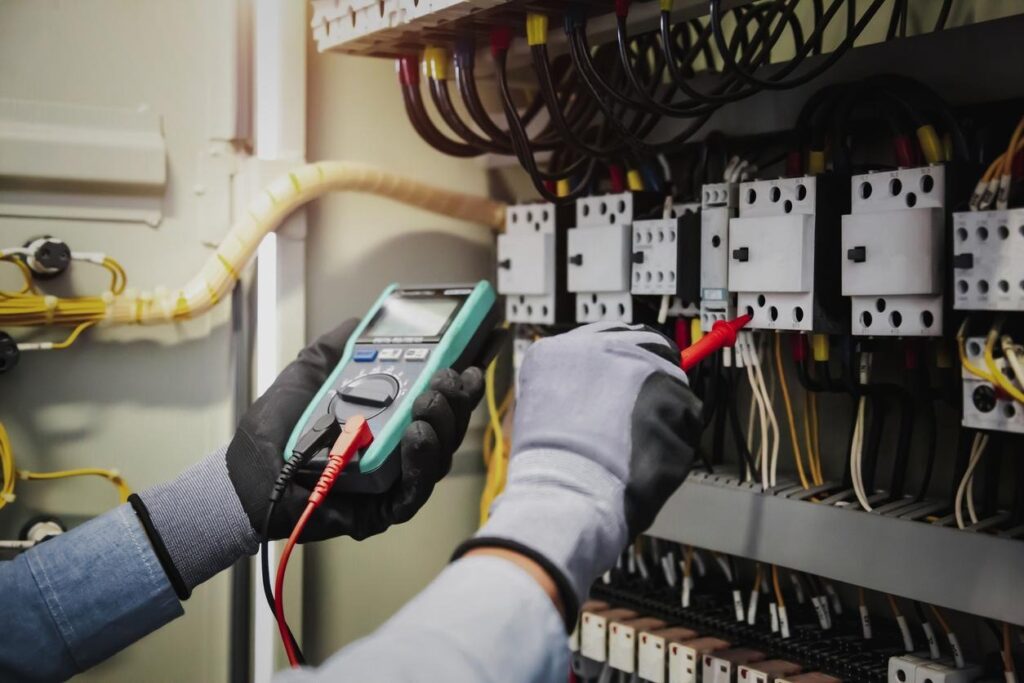
Preventative electrical maintenance involves scheduled inspections, testing, and upkeep to identify potential issues in commercial wiring, panels, and equipment before they cause failures. Businesses gain significantly from reduced costly downtime, enhanced workplace safety against fires or shocks, extended lifespan of electrical assets, lower long-term repair expenses, and improved energy efficiency. Proactive approaches catch problems early, supporting reliable operations and compliance with standards while avoiding unexpected disruptions.
Introduction
Electrical systems power every aspect of modern business operations, from lighting and HVAC to computers and production lines. Yet many owners overlook routine care until problems arise, leading to expensive fixes and lost productivity.
Regular maintenance stands out as a smart strategy here. It focuses on regular checks and adjustments to keep everything running smoothly. For instance, partnering with experienced commercial electrical contractors in Calgary can provide tailored insights into local code requirements and common regional challenges like variable weather impacts on infrastructure.
Business leaders often face tight budgets and demanding schedules. Still, ignoring electrical health invites risks that compound over time.
Key Benefits of Preventative Electrical Maintenance
Businesses often run on tight margins, where every hour of interruption hits the bottom line hard. Commercial electrical maintenance flips the script by addressing potential faults before they snowball into major headaches. Proactive care keeps power systems in top shape, delivering tangible advantages across operations.
Minimizing Costly Downtime
Unplanned outages stem from overlooked issues like frayed insulation or corroded terminals. A single failure can halt production, freeze sales, or idle staff for hours. Scheduled upkeep spots these threats early. Companies typically see downtime drop by significant margins once they commit to consistent routines.
Enhancing Workplace Safety
Electrical hazards rank among the leading causes of commercial fires and injuries. Regular checks reduce risks of arcs, shocks, and overheating. Employees work with greater peace of mind when systems receive proper attention, and managers face fewer liability concerns.
Extending Equipment Lifespan
Constant loads and environmental factors wear down components over years. Timely cleaning, tightening, and testing slow degradation. Motors, transformers, and panels last longer, delaying expensive replacements and preserving capital.
Improving Energy Efficiency
Hidden inefficiencies, such as poor connections or unbalanced loads, waste power quietly. Proactive adjustments optimize performance. Many facilities notice measurable drops in utility bills after thorough reviews.
Supporting Regulatory Compliance
Standards evolve, and inspectors expect documented care. Staying ahead avoids fines and forced shutdowns during audits.
| Benefit | Reactive Approach Impact | Proactive Approach Outcome |
| Downtime | Hours or days lost per incident | Reduced by up to 70–80% annually |
| Repair Costs | High emergency rates and parts | Lower routine expenses |
| Safety Incidents | Higher risk exposure | Fewer hazards identified early |
| Equipment Life | Premature failures | Extended by years |
| Energy Use | Gradual waste buildup | Optimized consumption |
These gains compound over time. Small upfront efforts in monitoring and minor fixes pay off through smoother daily operations and stronger financial health.
Essential Elements in Commercial Electrical Inspection
A thorough commercial electrical inspection serves as the foundation for any solid upkeep strategy. Skilled technicians systematically examine systems to uncover hidden weaknesses, from panels to outlets. These evaluations go beyond surface checks, delving into performance and condition details.
Visual and Physical Checks
Inspectors start with straightforward observations. They look for signs of corrosion, overheating marks, or physical damage on conduits and enclosures. Loose covers, exposed wires, or pest intrusion often signal immediate concerns. Clearing debris around equipment prevents airflow blockages, too.
Testing Key Components
Commercial electrical safety revolves around protecting people, property, and operations from hazards tied to power systems. Specialized tools measure voltage drops, insulation resistance, and ground continuity. Infrared thermography reveals hot spots in connections without shutting down operations. Circuit breakers get tested for proper tripping response under simulated faults.
Common inspection focus areas include:
- Main service panels for overload signs
- Branch circuits feeding critical loads
- Emergency backup systems like generators
- Lighting fixtures and controls
- Machinery power supplies
Documentation and Reporting
Detailed records note findings, priorities, and recommendations. Photos accompany reports to illustrate issues clearly. These documents prove valuable during follow-ups or regulatory reviews.
Inspections typically occur annually or semi-annually, depending on facility demands and age. High-traffic environments or those with heavy machinery benefit from more frequent reviews. Catching minor discrepancies early prevents them from turning into costly failures down the line.
Building an Effective Electrical System Maintenance Plan
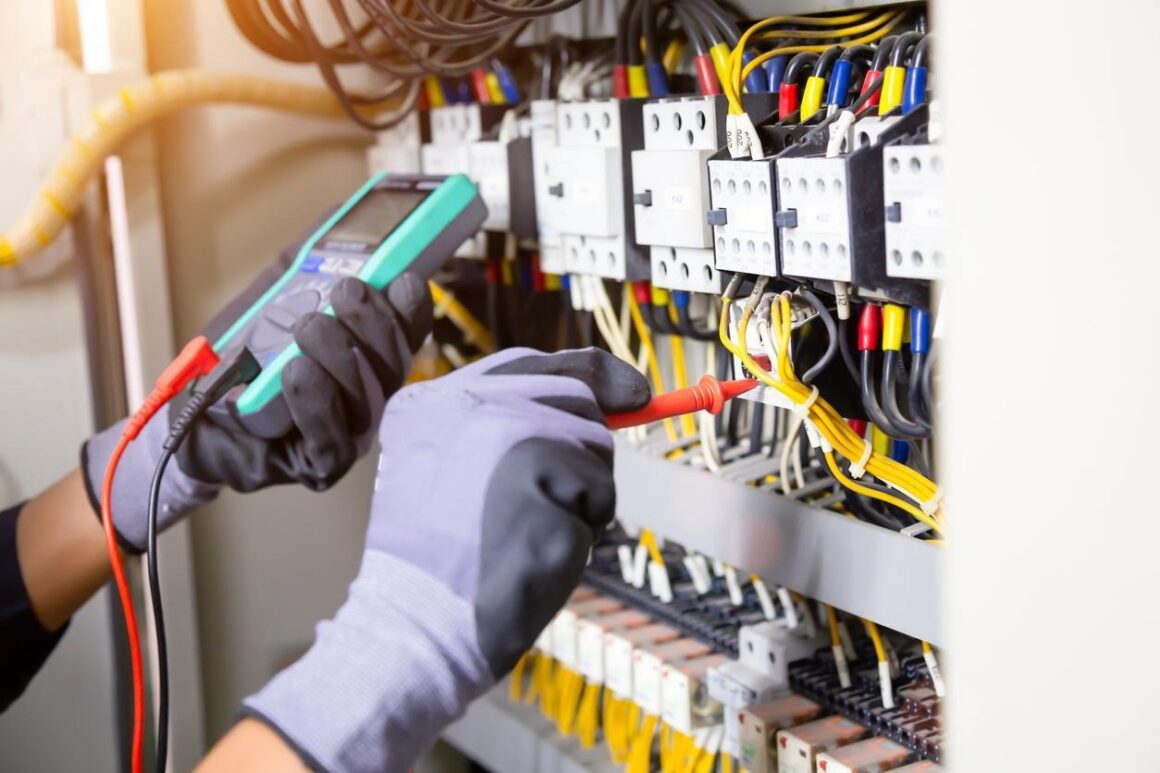
Creating a robust plan for electrical system maintenance requires thoughtful steps tailored to each facility’s unique needs. Start with a baseline assessment, then layer in schedules, responsibilities, and tracking methods. Consistency turns good intentions into lasting reliability.
Assessing Facility Needs
Every building presents different demands based on age, size, and usage. Older installations often carry legacy issues like outdated breakers or insufficient capacity. High-power operations, such as manufacturing or data centers, face heavier wear. A detailed audit maps out panels, loads, and critical pathways to prioritize efforts.
Setting Realistic Schedules
Frequency matters more than rigidity. Quarterly reviews suit most commercial spaces, while intensive environments warrant monthly spot-checks. Tie major overhauls to seasonal shifts or production lulls. Build flexibility to address emerging concerns without derailing routines.
Key components of a solid plan include:
- Assigned roles for in-house staff and external support
- Checklists covering infrared scans, torque verification, and cleaning
- Budget allocations for parts and labour
- Digital logs for trending performance over time
- Emergency protocols linked to findings
Monitoring and Adjustments
Track metrics like fault logs, energy patterns, and repair history. Review the plan annually to incorporate new equipment or code updates. Small tweaks based on real data keep the approach relevant and effective.
Well-structured plans shift focus from firefighting to steady progress. They align resources wisely and foster a culture of vigilance across teams.
Why Professional Expertise Outshines DIY Approaches in Electrical Upkeep
Tackling electrical tasks in-house might seem like a way to cut corners and save money at first glance. Many managers handle basic fixes themselves or assign them to general maintenance staff. Yet complex power systems demand specialized knowledge that goes far beyond changing a light bulb or resetting a breaker.
Specialized Training and Tools
Qualified technicians complete rigorous apprenticeships and ongoing certifications. They understand intricate diagnostics, from interpreting thermographic images to analyzing power quality data. DIY efforts often miss subtle indicators of impending trouble because they lack access to professional-grade equipment like megger testers or ultrasonic detectors.
Navigating Codes and Standards
Regulations change frequently, with nuances varying by jurisdiction and building type. Experts stay current on amendments, interpreting requirements accurately to avoid violations. In-house teams risk oversight, leading to failed inspections or rework.
Risk Management and Liability
One overlooked fault during amateur repairs can spark serious incidents. Professionals carry insurance and follow strict safety protocols, shielding businesses from potential claims. Self-managed work shifts full responsibility onto the company.
Common pitfalls of going it alone include:
- Incomplete assessments missing interconnected issues
- Improper torque on connections causing future arcing
- Voided warranties on equipment due to unauthorized modifications
- Delayed responses during off-hours emergencies
Relying on skilled outsiders brings objective perspectives too. They spot inefficiencies or upgrades that internal staff might accept as normal. Over time, their involvement often proves more cost-effective through fewer callbacks and optimized performance.
Final Thoughts on Regular Electrical Maintenance
Businesses thrive when infrastructure runs quietly in the background, free from unexpected glitches. Maintenance emerges as a cornerstone for achieving steady performance. It shifts resources from crisis response to strategic foresight, safeguarding operations against common pitfalls.
Over time, consistent attention yields compounding rewards. Facilities experience fewer disruptions, safer workspaces, and more predictable budgets. Energy flows efficiently, equipment endures longer, and teams operate with reduced stress. These outcomes stem directly from proactive habits built into daily management.
More Stories
6 Tips to Help Your Cary, NC Home’s Air Quality Improve
How To Contact HomeRocketRealty.com: The Fast, Complete Guide For 2026
How to Balance Energy Efficiency & Comfort During Home Renovations
Why Regular Window and Eavestrough Cleaning Protects Your Home