
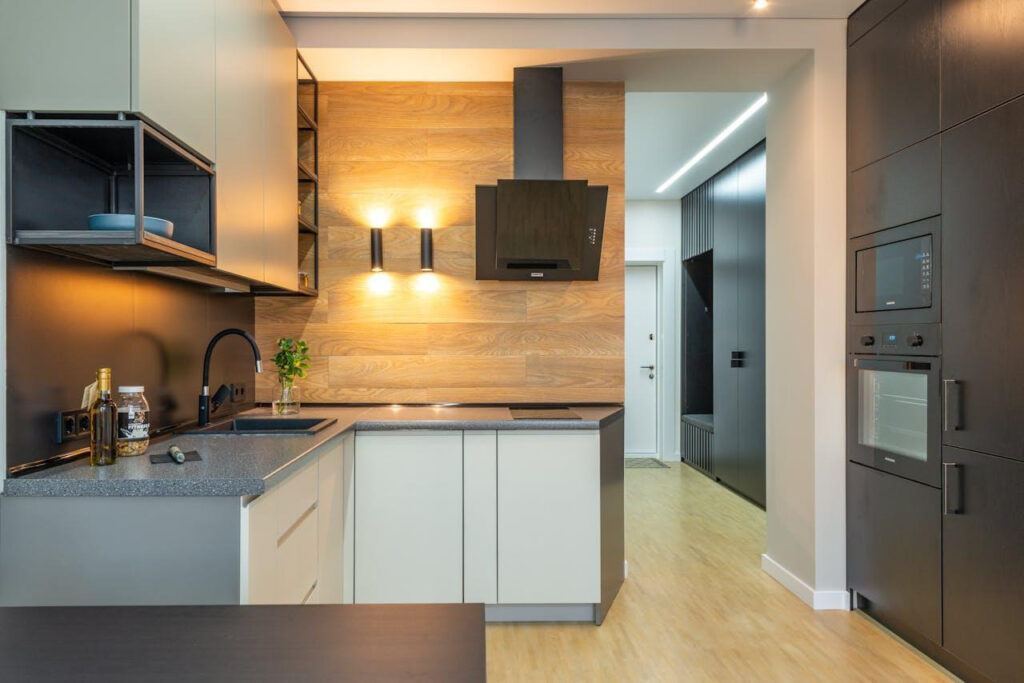
Relocating to a different city often reshapes how people evaluate a home. A move introduces new routines, unfamiliar neighborhoods, and lifestyle adjustments that naturally influence what buyers look for in a property. During this transition, many begin paying closer attention to the property features buyers prioritize, focusing on elements that will make everyday life more comfortable and practical in their new environment.
Instead of concentrating only on price or size, buyers who have recently moved cities often think about how a home will support their work schedules, family life, and long-term plans. Features that promote convenience, organization, and flexibility tend to rise in importance as people settle into a new location.
Property Features Buyers Prioritize: Location Within the City
Among the property features buyers prioritize, location within the city consistently stands out as one of the most influential factors. Even after selecting the city itself, buyers quickly realize that each neighborhood offers a different pace of life, level of convenience, and access to essential services.
For this reason, many buyers carefully evaluate proximity to workplaces, grocery stores, healthcare facilities, and recreational spaces. A well-located property can simplify daily routines and reduce commuting time, which becomes particularly valuable during the adjustment period after relocation.
Functional Layouts Matter More Than Square Footage
While overall home size remains relevant, many buyers who move cities begin to focus more on layout efficiency rather than simply counting square feet. A well-designed home can feel spacious and comfortable even if it is smaller than the buyer’s previous property.
Open floor plans are often appealing because they create flexible spaces for work, relaxation, and entertaining. Homes that allow natural movement between the kitchen, living room, and dining area tend to attract attention from buyers adjusting to new routines.
Relocating families also think carefully about how rooms are used throughout the day. A layout that supports remote work, quiet study areas, and shared family spaces often becomes more important than large but underutilized rooms.
Storage Solutions Gain New Importance
Moving cities often reminds homeowners how many belongings can accumulate over time. After unpacking boxes and organizing their possessions, many buyers develop a greater appreciation for thoughtful storage solutions.
Closets, pantry space, garage storage, and built-in shelving all become attractive property features. Buyers who have recently relocated tend to imagine how easily they can keep their home organized once the moving process is complete.
During this stage, people also begin researching practical ways to manage their belongings in a new environment. Many homeowners explore storage tips for new homeowners as they evaluate homes with basements, attic spaces, or additional storage areas that can help keep living spaces uncluttered.
Reliable Infrastructure and Utilities Become a Focus
When moving to a different city, buyers often pay closer attention to the technical aspects of a property. Elements such as plumbing, electrical systems, heating, and cooling may receive more scrutiny than they did during previous home purchases.
This shift usually happens because relocation brings unfamiliar infrastructure conditions. Climate differences, older housing stock, or regional construction styles can introduce new challenges. Buyers want reassurance that essential systems are reliable and well-maintained.
Energy efficiency also becomes a meaningful factor. Homes with updated insulation, modern heating systems, and energy-efficient windows can help buyers manage costs in a city where utility prices may differ from what they previously experienced.
Outdoor Space Takes on New Value
For many buyers, outdoor areas become increasingly valuable after moving to a new city. A backyard, patio, balcony, or small garden can provide a sense of comfort and personal space during a period of adjustment.
Outdoor areas often serve as extensions of the home where residents can relax, socialize, or enjoy fresh air without leaving the property. That becomes particularly appealing for people relocating from dense urban environments to suburban neighborhoods.
Even modest outdoor features can make a difference. A small yard suitable for gardening or a comfortable patio for evening relaxation may strongly influence a buyer’s final decision.

Parking and Accessibility Considerations
Parking arrangements frequently become a major concern for buyers who have relocated. Differences in city design can create new challenges related to vehicle storage, street parking, or transportation access. Research published by Urban Studies has shown that residential parking availability can strongly influence car ownership and mobility choices, highlighting how access to parking affects household decisions about transportation and housing location.
Buyers moving from highly urban environments may value private driveways or garages that simplify daily routines. On the other hand, those relocating from suburban areas might prioritize properties close to public transportation if they plan to reduce car use.
Accessibility within the property itself can also become a focus. Features such as wider hallways, minimal stairs, or flexible living arrangements can support long-term comfort as homeowners settle into their new environment.
Natural Light and Interior Comfort
Homes that provide abundant natural light often appeal strongly to buyers adjusting to a new city. Bright interiors can create a welcoming atmosphere that helps new residents feel settled more quickly.
Large windows, skylights, and open living areas contribute to a sense of warmth and spaciousness. Natural light also supports well-being by improving mood and creating a more pleasant indoor environment.
Interior comfort extends beyond lighting. Buyers frequently consider ceiling height, ventilation, and noise levels when evaluating properties in unfamiliar neighborhoods. These elements contribute to the overall livability of the home.
Proximity to Community Amenities
After relocating, buyers often prioritize access to community amenities that support their daily routines and social lives. Parks, walking trails, fitness centers, restaurants, and cultural venues can all influence housing decisions.
New residents may not yet have established social networks in the city, so nearby public spaces provide opportunities to explore the community and build connections. Neighborhoods with vibrant local amenities can help newcomers feel integrated more quickly.
Schools, libraries, and recreational facilities also add value for families moving to a new city. Access to these resources helps parents maintain a stable environment for children during the transition.
Home Office and Flexible Workspaces
Changes in work culture have made home office space a desirable feature for many buyers, especially those relocating for career opportunities. Remote or hybrid work arrangements require quiet, functional spaces where productivity can be maintained.
A dedicated office room is ideal, but buyers also appreciate flexible spaces that can adapt to different needs. Spare bedrooms, loft areas, or finished basements can easily become workspaces without major renovations.
When evaluating homes, buyers often imagine how they will balance professional responsibilities with personal life in the new city. Properties that support this balance tend to attract greater interest.

Long-Term Investment Potential
Even when relocating for lifestyle reasons, buyers rarely overlook the financial side of their purchase. A property’s potential for appreciation and resale value remains an important factor in the decision-making process.
Buyers moving cities often study neighborhood development trends, infrastructure improvements, and local economic growth. They want reassurance that the home they choose will remain a stable investment.
Features that contribute to long-term value include well-maintained construction, adaptable layouts, and desirable neighborhood characteristics. These elements can help ensure the property remains attractive to future buyers if relocation occurs again.
Neighborhood Character and Safety
Beyond the physical property, many buyers prioritize the overall character of the neighborhood. Moving to a new city means entering an unfamiliar environment, so people naturally seek areas where they feel comfortable and secure.
Walkability, cleanliness, and community engagement often shape perceptions of neighborhood quality. Buyers may observe how residents interact, how well properties are maintained, and whether public spaces feel welcoming.
Safety also remains a key consideration. Access to reliable public services, good lighting, and a visible sense of community care can provide reassurance to those settling into a new location.
Supporting Your Daily Routines
Relocating to a new city naturally shifts the way people approach the home-buying process. Buyers begin to evaluate properties through the lens of their new lifestyle, paying closer attention to convenience, comfort, and long-term practicality. As a result, the property features that buyers prioritize often reflect the realities of settling into an unfamiliar environment.
From thoughtful layouts and storage space to neighborhood access and reliable infrastructure, these priorities help buyers choose homes that truly support their daily lives. By understanding how relocation influences these decisions, both buyers and sellers can navigate the housing market with greater clarity and confidence.
More Stories
6 Tips to Help Your Cary, NC Home’s Air Quality Improve
How To Contact HomeRocketRealty.com: The Fast, Complete Guide For 2026
How to Balance Energy Efficiency & Comfort During Home Renovations
Why Regular Window and Eavestrough Cleaning Protects Your Home