
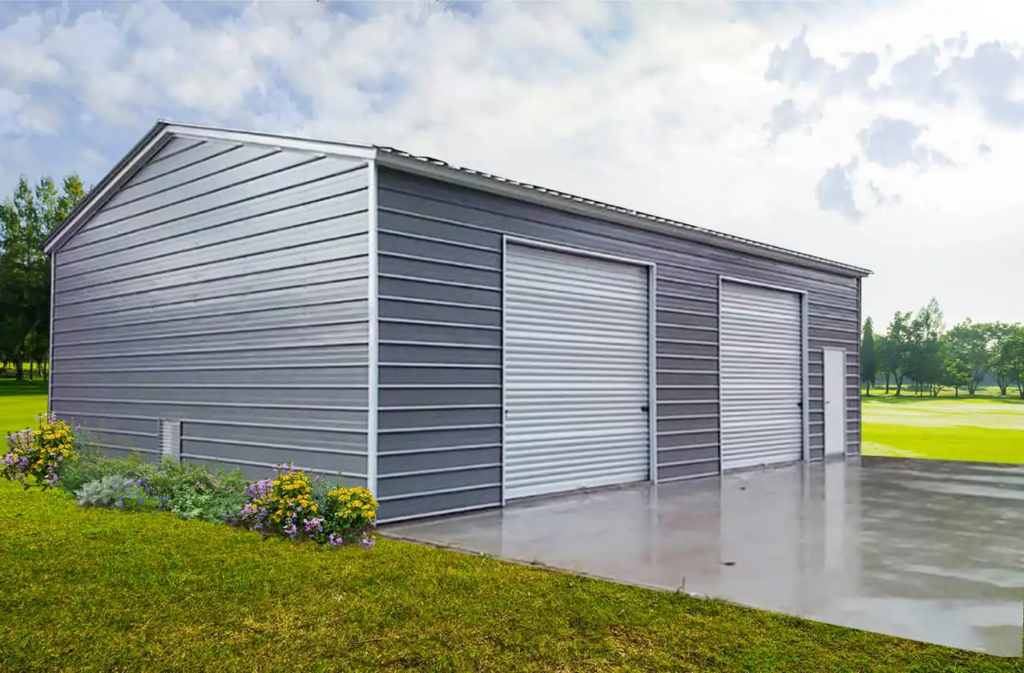
Ten years ago, building a structure meant months of on-site work, delays from weather, and constant coordination between crews. Today, a large part of that work happens before anything even reaches the job site.
Prefabrication is quietly reshaping construction. Instead of assembling everything piece by piece in the field, buildings—especially steel structures—are now designed, engineered, and partially built in controlled environments, then delivered ready to install. Companies like US Patriot Steel rely on this approach to reduce timelines and eliminate many of the issues that used to slow projects down.
This shift is not about convenience. It’s about control, speed, and predictability.
Construction Starts Before the Site Is Ready
With prefabrication, the building process begins in a factory, not on your land. Structural components are cut, drilled, and prepared with exact measurements. When the materials arrive on-site, they are no longer raw—they’re ready to assemble.
That changes everything.
Instead of spending weeks correcting measurements or adjusting materials in the field, crews work with parts that already fit together. Fewer errors, fewer delays, and fewer surprises.
For steel buildings, this precision is especially noticeable. Frames are engineered to exact specifications, which means the structure goes up faster and with fewer adjustments.
Shorter Build Times With Fewer Delays
Weather used to be one of the biggest variables in construction. Rain, snow, or extreme heat could slow down progress or damage materials before installation.
Prefabrication reduces that risk.
Most of the critical work is completed indoors, where conditions are controlled. By the time materials arrive on-site, the project is already partially complete. Assembly becomes the main task, not fabrication.
This can cut weeks—or even months—from a project timeline. For business owners, that means opening sooner. For homeowners, it means moving in faster.
Less Waste, More Predictable Costs
Traditional construction often produces excess waste—unused materials, cutoffs, and mistakes that can’t be reused. Prefabrication minimizes this.
Because components are manufactured with precision, there is less overordering and fewer discarded materials. What gets delivered is what’s needed.
That directly affects cost control. Projects become easier to budget because there are fewer unexpected expenses tied to material shortages, rework, or delays.
For large-scale builds like warehouses or agricultural structures, this level of predictability can significantly reduce overall project costs.
Better Quality Through Controlled Production
Building everything on-site means dealing with inconsistent conditions—uneven surfaces, changing weather, and varying workmanship between crews.
Prefabrication removes many of these variables.
Components are produced in controlled environments using consistent processes. This leads to tighter tolerances, better alignment, and more reliable structural performance.
Steel buildings benefit the most here. Precision manufacturing ensures that frames align correctly, panels fit as intended, and structural integrity is maintained without compromise.
Simplified Project Management
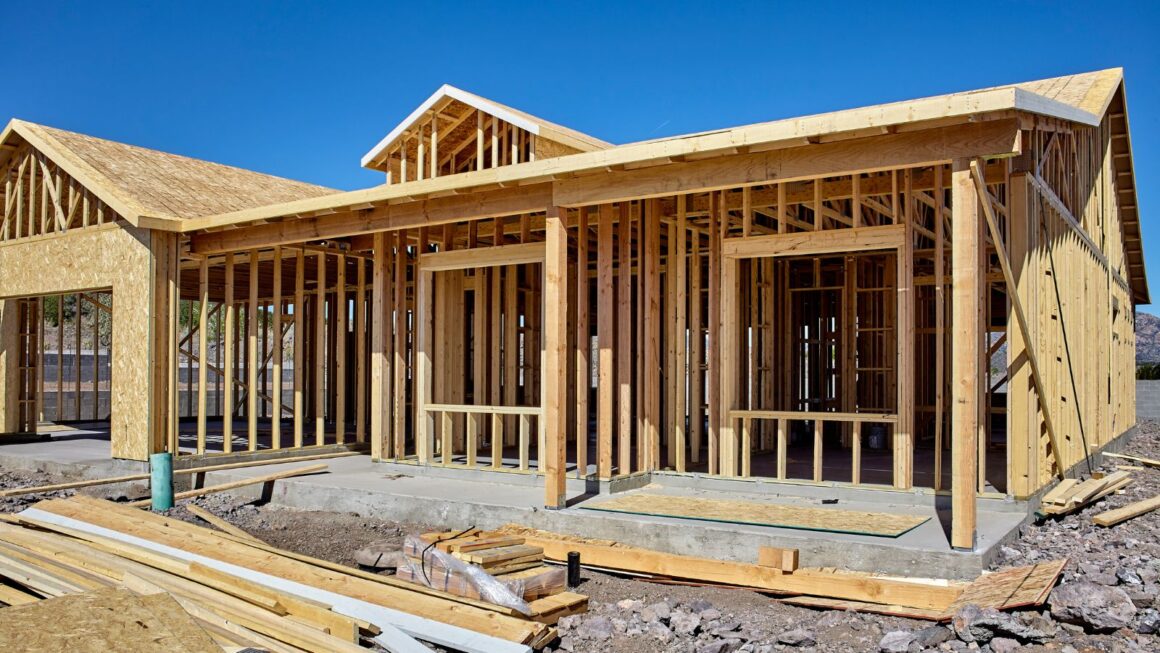
Managing a construction project often means coordinating multiple teams, suppliers, and timelines. Prefabrication simplifies this process.
Instead of sourcing materials from different places and coordinating multiple phases of on-site work, much of the complexity is handled upfront during design and manufacturing.
Fewer moving parts on-site means fewer chances for miscommunication or delays. The project becomes easier to manage because more decisions are made early, not during construction.
Scalability Changes How Projects Grow
Prefabrication also makes expansion easier.
When buildings are designed using modular or pre-engineered systems, adding new sections becomes more predictable. Future expansions can follow the same design logic, using compatible components.
This is especially valuable for businesses. A warehouse, workshop, or agricultural building can grow alongside operations without requiring a completely new structure.
Closing Remarks
Prefabrication is changing construction by shifting the most complex work away from the job site and into controlled environments. The result is faster builds, fewer errors, better cost control, and more consistent quality.
For steel buildings, this approach makes even more sense. Precision engineering, faster assembly, and long-term durability all benefit from a prefabricated process.
The industry is not moving in this direction because it’s new—it’s moving because it works better.
More Stories
6 Tips to Help Your Cary, NC Home’s Air Quality Improve
How To Contact HomeRocketRealty.com: The Fast, Complete Guide For 2026
How to Balance Energy Efficiency & Comfort During Home Renovations
Why Regular Window and Eavestrough Cleaning Protects Your Home