
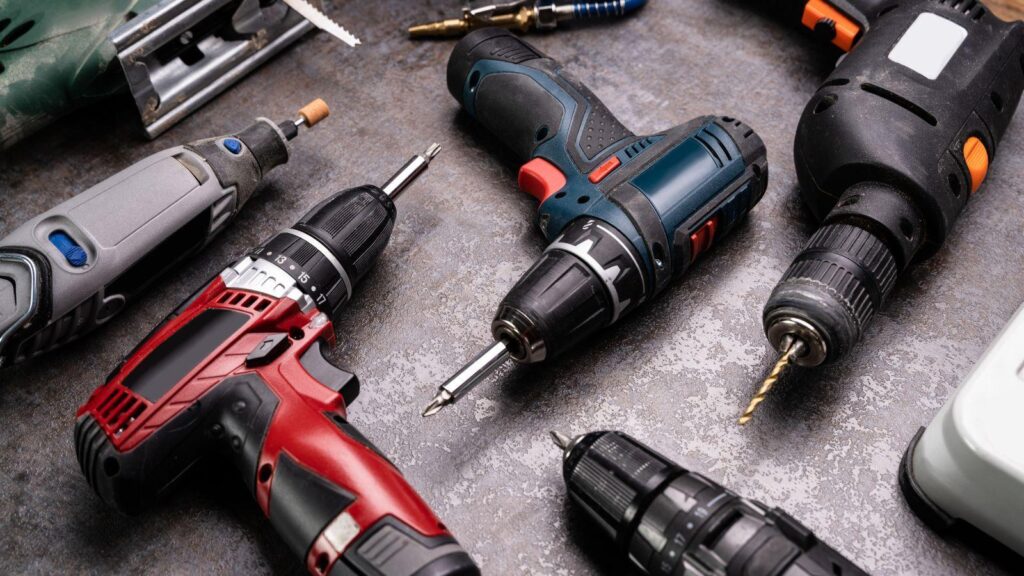
Electrical workspaces put tools under constant pressure. Daily use usually results in the tools being subjected to various elements such as dust, vibration, cramped spaces, sharp edges, repeated carrying, and the risk of dropping from a workbench, ladder, or vehicle. In those conditions, tool quality is not just a matter of convenience. It affects consistency, safety, and how efficiently work can be moved from one task to the next.
Holds Up Under Daily Site Pressure
Electrical environments are rarely gentle on equipment. Normal maintenance work can be demanding as it requires working in cramped switchboards, ceiling cavities, plant rooms, workshops, and outdoor service areas. Tools are often handled roughly in these areas. Stronger tool design can result in less deterioration of the tool body handle switch, and mechanical parts, which is crucial when the same equipment is used for different jobs weekly.
That is one reason tradespeople often look closely at build quality when comparing ranges such as Milwaukee electrical tools for trade and workshop use. In practical terms, a tougher tool is more likely to stay reliable after repeated handling, transport, and exposure to demanding site conditions.
Supports Safer, More Controlled Work
In electrical work, control matters as much as power. A tool that changes shape, slips, gets too hot, or becomes unstable during work can create unnecessary risk, especially when working close to live systems, sensitive components, or small installation points. Tougher tools are generally designed to maintain performance under strain, which helps operators work with greater confidence and precision.
It is even more essential when working with insulated tools, precision cutters, crimpers, cable preparation tools, or power-driven equipment close to delicate components. Enhanced materials and superior design can aid in preserving grip, alignment, and overall strength, thereby minimising the likelihood of failures that delay work or lead to unsafe handling.
Reduces Downtime on the Job
A weak tool often costs more than its purchase price suggests. When a casing cracks, a trigger fails, or a component loosens mid-task, the result is rarely limited to replacing that one item. It can delay testing, installation, repairs, or maintenance work, particularly when the right backup tool is not immediately available.
Tougher tools help reduce these interruptions. In hectic shops and service areas, dependable tools are crucial as work is usually scheduled back to back and progress must be continuous. Less downtime also means fewer disruptions to troubleshooting and fewer instances where technicians need to stop work simply because the tool could not handle repeated use.
Stays Accurate for Repetitive Tasks
Electrical work often depends on repeatable results. Stripping, cutting, fastening, measuring, and terminating all require consistency, particularly where poor tolerances can affect fit, finish, or performance. Tools that wear too quickly may begin to lose accuracy, even if they still appear usable on the surface.
Tougher designs help preserve working precision over time. That is important in tasks involving torque control, termination quality, and cable preparation, where small variations can create larger issues later. A durable tool is not only about surviving impact. It is also about retaining dependable function after long periods of regular use.
Suits Harsh Workshop Conditions
Many electrical workshops deal with conditions that accelerate tool degradation. Dust oils cleaning agents, metal filings, moisture, and heat, all these factors can impact the surfaces and internal parts of the tools. In these settings, material quality becomes a practical concern rather than a premium feature, especially where wear in moving components can contribute to backlash in mechanical assemblies.
Tougher tools are generally better suited to that environment as they are constructed not only with more durable housings but also with more robust joints and components able to withstand frequent exposure to rough handling. Therefore, they are an excellent fit for workshops where tools are shared, moved between stations, or used for different electrical and electronic tasks during the day.
Offers Better Long-Term Value
Durability is often associated with value retention over several years. Tools with a lower cost might be appealing at first sight, but the need for frequent replacement can significantly diminish or even eliminate the initial savings. For tradespeople and contractors, the genuine cost entail the reliability, time lost, and the effect of subpar performance scattered over continued work.
A tougher tool tends to justify itself through longer service life and steadier output. In electrical workspaces, where productivity and safe handling are tightly linked, dependable tools are part of the job setup rather than an optional extra. Choosing equipment that can withstand real site and workshop demands is often the more practical decision in the long run.
Built for the Real Demands of the Trade
Tougher tools matter in electrical workspaces because the work itself is demanding. They help improve reliability, support safer handling, reduce downtime, and maintain performance across repetitive tasks and rough conditions. For technicians, contractors, and workshop teams, that toughness is not about appearance. It is about having tools that keep up with the realities of the trade.
More Stories
Can You Actually Get Weed Delivered? It Depends Entirely on Where You Live
The “Bathroom Effect”: Small Maintenance Upgrades That Boost Your Property’s Resale Value
The value and options of living in new homes for rent
Choosing a Landscaping Company in Twin Cities, Minneapolis and St. Paul