
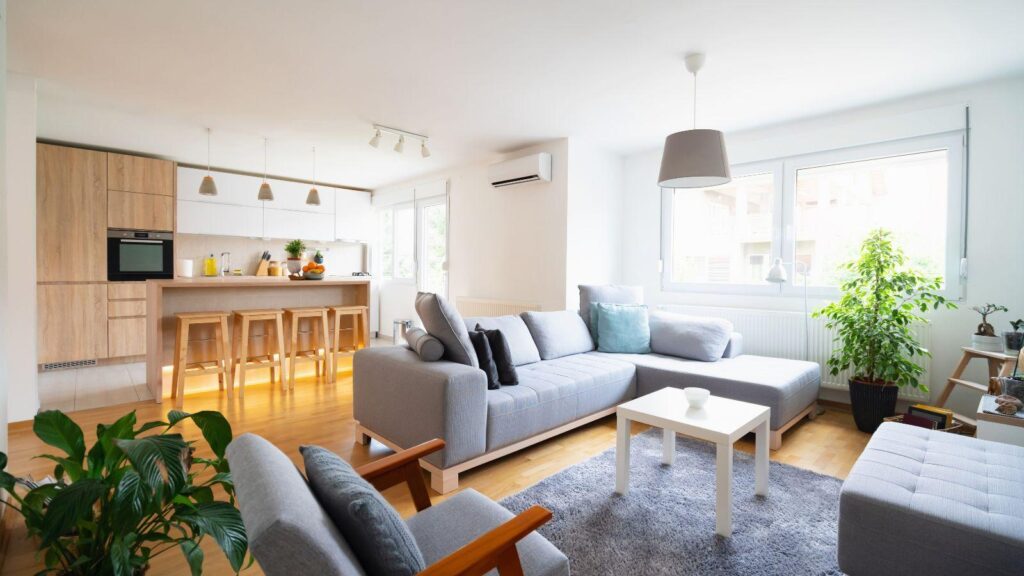
The days and weeks after moving into a new place are weirdly quiet. The boxes are unpacked, the walls are still bare, and the house smells a little bit like someone else.
Making it feel like yours takes more than furniture. It takes small, intentional touches that turn a space into somewhere you genuinely enjoy being.
This guide walks through how to build that feeling, whether you are settling into a first home, a forever home, or somewhere in between. The secret is rarely in the big renovations. It lives in the small details that fill a home with warmth and personality.
Key Takeaways
- A house becomes a home through small, personal touches more than expensive renovations.
- Handmade elements, celebration moments, and lived-in textures do more for atmosphere than styled perfection ever will.
- Hobby corners and creative spaces make a home feel alive and uniquely yours.
- Food, colour, and texture are three of the most underrated tools for shaping the feel of a space.
- Start slow, add gradually, and let the home reveal what it actually needs over the first year of living in it.
Why the First Year Matters Most
The first twelve months in a new home are when you figure out how you actually live in it. Which rooms catch morning light, where conversations naturally happen, which corner desperately needs better lighting.
Rushing to decorate everything in the first week almost always leads to regret. Those big statement pieces bought in the first fortnight often feel wrong by month three.
Better to live in the space for a bit, notice what is missing, and let the home tell you what it wants.
Starting With What You Bring In
A home’s personality comes from the things inside it, and the most memorable things are almost always the ones with a story. Inherited furniture, travel finds, gifts from people who matter, and anything you made with your own hands.
A perfectly styled room from a catalogue looks impressive in photos but feels strangely flat to live in. Mixing in items with personal history creates depth that no amount of design can replicate.
The easiest way to start: pick three things in your home that tell a story, and give them pride of place. Let newer purchases work around them.
Hobbies Make a House Feel Alive
A home without any visible hobby or interest often feels oddly impersonal. Books on shelves, musical instruments left out, art supplies in a corner, all signal that someone actually lives there.
For anyone with a creative streak, setting up a dedicated corner for making things changes the atmosphere of the whole house. It is the room most likely to become a favourite without being planned that way.
Craft spaces work particularly well in smaller nooks. A compact table, good natural light, and storage for materials turn five square metres into the most used part of the house.
Building a Craft Corner That Actually Gets Used
The trick with creative spaces is accessibility. If the supplies live in a cupboard that requires moving three boxes to reach, the hobby dies within a month.
Open storage, visible materials, and a project-in-progress left out deliberately all encourage more frequent use. The beauty of crafts like knitting or embroidery is that they work with almost any living space and cost very little to start.
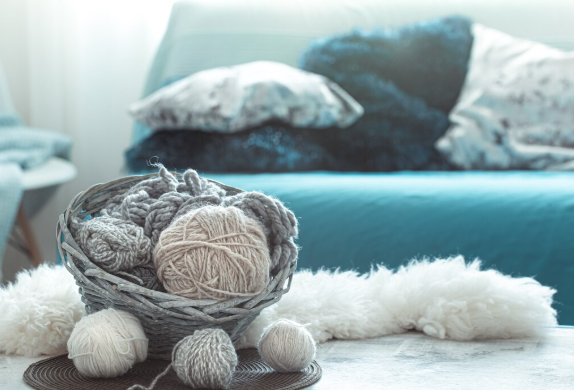
A small basket of knitting yarns in varied colours on a coffee table or near a favourite chair invites the hobby to slot into everyday life. Cast on something simple while watching television and you quickly find the activity becomes genuinely restorative.
Letting Texture Do the Heavy Lifting
The homes that feel warmest are almost always layered in texture. Chunky throws, woven cushions, handwoven rugs, linen curtains, wooden bowls, ceramic vases.
None of it needs to be expensive. Thrift stores, local markets, and mid-week op-shop runs turn up textured pieces for a fraction of retail prices.
The goal is contrast. Soft against rough, matte against shiny, warm tones against cool ones. A room with one or two textures feels flat. A room with six or seven feels alive.
Lighting Changes Everything
One of the biggest upgrades any home gets costs under 200 dollars. Replacing overhead lighting with a combination of lamps, wall sconces, and warm-toned bulbs transforms a space entirely.
Most Australian homes ship with harsh, cool-white ceiling lights that make even beautiful rooms feel like offices. Swapping to 2700K bulbs and adding two or three lamps at different heights changes the mood of the room completely.
Candles and dimmers add the final polish. The difference between a room at 100 percent brightness and one dimmed to 40 percent is genuinely surprising.
Celebrations Shape How a Home Feels
Homes become memorable through the moments that happen inside them. Birthdays, housewarmings, small dinners with friends, quiet milestones shared with family.
Those moments do not require elaborate planning. The best ones usually come from good food, good company, and a small gesture that shows thought.
Something as simple as a box of treats on the kitchen bench turns an ordinary Tuesday into something to remember. Small rituals create the emotional fabric that long-term happiness at home is built from.
Small Gestures, Big Atmosphere
A weeknight dinner celebration, a new-home welcome for visiting friends, a housewarming for the neighbours, all benefit from a small food centrepiece that signals care.
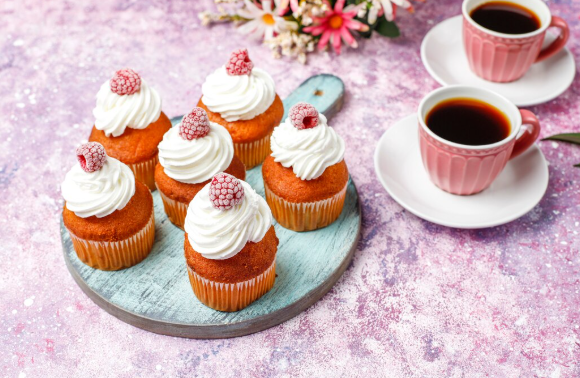
For Sydney residents, it is surprisingly easy to order cupcake delivery in Sydney for these occasions. A dozen freshly made cupcakes turn a standard Saturday afternoon into something that feels deliberate, and they pair beautifully with a quick coffee catch-up on a balcony or in the backyard.
The point is not the cupcakes specifically. It is the signal that the moment mattered enough to mark. Small treats, handwritten notes, a single bunch of flowers, all do the same job.
Colour Without Committing to Paint
Plenty of renters and cautious homeowners avoid painting walls, which leaves many homes feeling beige by default. The good news is that colour can arrive through almost everything else in the room.
Cushions, throws, artwork, rugs, plants, books, and fresh flowers all add colour without a single brushstroke. A single hero colour repeated three or four times around a room ties the whole space together.
Even better, these elements change with the seasons. Swap cushion covers in autumn, bring brighter blooms in spring, and the home quietly evolves through the year.
Plants Are the Cheapest Transformation
A single large plant in the corner of a living room does more than any piece of art at the same price point. Plants soften hard lines, add life, and quietly improve air quality.
For the plant-nervous, start with the hardest-to-kill options. Devil’s ivy, snake plants, ZZ plants, and rubber plants handle neglect well and still look beautiful.
Grouping smaller plants of varied heights creates a mini indoor garden effect in spaces that would otherwise feel stark. Three is usually the magic number.
Scent Is the Secret Ingredient
Most people remember homes by how they smelled. Fresh bread baking, roasted coffee, lavender laundry, eucalyptus after rain.
Diffusers, essential oils, candles, and good ventilation all shape this quietly. A house that smells good feels cared for in ways visitors notice without knowing why.
The easiest upgrade is swapping out synthetic air fresheners for natural alternatives. Cedar, sandalwood, citrus, and fresh florals all age well and do not overpower a space.
Making the Outside Feel Like Part of the Home
Whether it is a balcony, a courtyard, or a full backyard, the outdoor area deserves as much care as any interior room. A small table, two chairs, and a plant or two turn unused outdoor space into the most-used part of the house in warmer months.
String lights transform balconies into evening spaces. A single outdoor rug anchors a courtyard. Even a few herbs in pots on a kitchen windowsill blur the indoor-outdoor line in ways Australian homes handle particularly well.
For anyone looking for fresh home design inspiration, pulling ideas from real homes rather than catalogue-styled showrooms tends to produce more interesting, liveable results.
Final Thoughts
A home genuinely worth coming back to every day is built from small, honest touches. A corner set up for a hobby you love. A weekly ritual of good food shared with people who matter. Textures that feel good under your feet. Light that flatters instead of glares.
None of it requires a huge budget or a dramatic renovation. It just requires attention to what actually makes you feel good in a space and the willingness to bring more of that in.
Give it a year. Trust the process. The house that felt empty when you moved in will quietly, steadily, turn into somewhere you genuinely cannot wait to come home to.
Frequently Asked Questions
How long does it take for a new house to feel like home? Most people find the shift happens gradually over 3 to 6 months. The first year is usually when a house truly settles into feeling personal.
What is the single most underrated way to improve a home’s atmosphere? Lighting. Swapping harsh overhead lights for warm, layered lighting changes the feel of every room in the house.
Do I need to renovate to make a rental feel like mine? No. Plants, textures, artwork, lighting, and small personal items do most of the work without any structural changes.
How much should I spend on making a home feel cosy? Far less than people think. Small, thoughtful additions over time beat big-ticket purchases almost every time.
What is a good first project for someone new to crafting? A simple knitted scarf or a small embroidery hoop project are both forgiving starting points that produce results within a few evenings.
Is it worth celebrating small moments at home? Absolutely. Regular small rituals create the emotional texture that makes a home feel meaningful over the years.
More Stories
Find, Sell, Or Market Homes Faster In 2026 – All on www homerocketrealty com
Can You Actually Get Weed Delivered? It Depends Entirely on Where You Live
The “Bathroom Effect”: Small Maintenance Upgrades That Boost Your Property’s Resale Value
The value and options of living in new homes for rent