
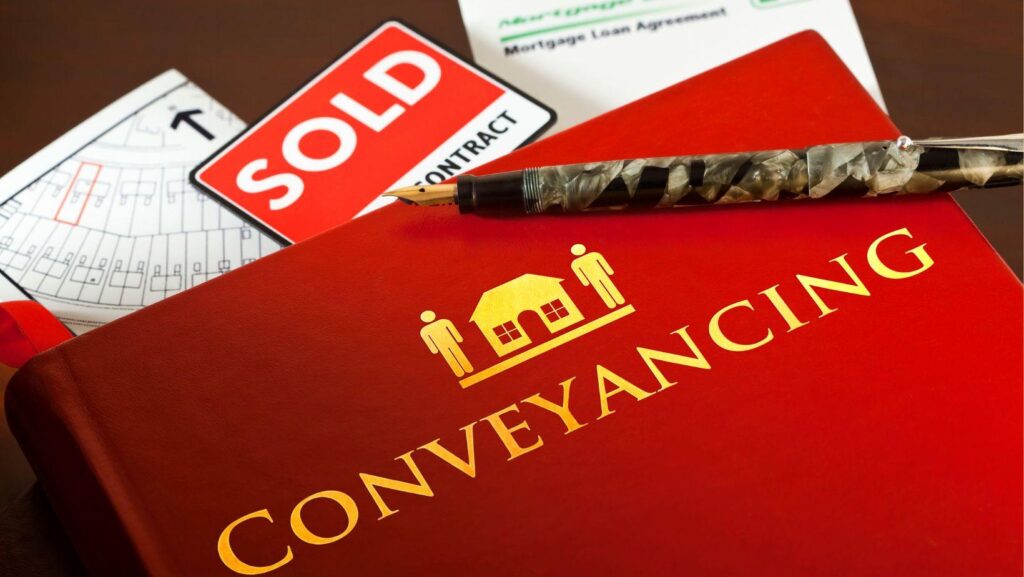
Buying a home should be one of life’s more straightforward financial transactions on paper. A seller wants to sell, a buyer wants to buy, money changes hands, ownership transfers. In practice, it’s one of the most legally complex transactions most people will ever go through, and the gap between expectation and reality is precisely where things tend to go wrong.
Working with experienced residential property conveyancing solicitors from the outset, rather than treating the legal side as a formality to be ticked off, changes the trajectory of the entire purchase. The legal work happening behind the scenes is what determines whether the property you eventually own actually matches what you believed you were buying.
What Conveyancing Actually Involves
The process covers considerably more ground than most buyers realise before they go through it for the first time:
- Verifying legal title and confirming the seller actually has the right to sell the property
- Conducting local authority searches that reveal planning history, road schemes, and potential liabilities
- Checking for restrictive covenants that might limit what you can do with the property in future
- Reviewing leasehold terms where relevant, including ground rent escalation clauses that have caused significant problems for buyers in recent years
- Managing the exchange of contracts and coordinating completion with the rest of the chain
Why Searches Matter More Than People Assume
Local authority searches can reveal issues that aren’t visible during a viewing and wouldn’t show up on a standard survey. Planned road developments, flood risk designations, mining history in certain regions, and outstanding enforcement notices have all derailed purchases at a late stage when buyers skipped or rushed this part of the process. A search that comes back clean provides genuine reassurance. One that flags an issue gives you the chance to negotiate, investigate further, or walk away before exchange, when the financial and legal consequences of withdrawing become far more serious.
The Leasehold Trap That Catches Buyers Off Guard
Leasehold properties, particularly newer builds, have generated considerable controversy over the past decade due to onerous ground rent clauses that double every ten years or escalate in ways that make the property difficult to sell or mortgage later. A thorough conveyancing review identifies these clauses before exchange, not after, when there’s still room to negotiate or reconsider the purchase entirely.
Chain Delays and How Good Conveyancers Manage Them
Property chains are notoriously fragile, and a single delay anywhere along the chain can hold up everyone involved. Experienced conveyancers manage this through proactive communication with other parties’ solicitors, realistic timeline setting from the outset, and contingency planning for the kind of delays that are common rather than treating each one as a unique crisis.
Why the Cheapest Quote Isn’t Always the Best Choice
Conveyancing fees vary considerably, and the temptation to choose based on price alone is understandable given how many costs are already stacking up during a house purchase. But conveyancing is one area where genuine expertise prevents problems that cost far more than any fee difference, both in money and in the stress of a transaction falling through at a late stage. The right conveyancer doesn’t just process paperwork. They protect your interests throughout a process where the other parties involved are, quite reasonably, focused on their own.
More Stories
Why Luxury Buyers Near Bangkok Are Waiting for New Builds Instead of Buying Resale
Holiday Home Repairs Made Magical: Mermaid-Inspired Fixes And The Homeroket Approach (2026 Guide)
Roller Shades For Construction Site Fencing: Durable, Secure, And Cost‑Effective Solutions (2026 Guide)
Luxury Matchboxes: The Home Safety Wizard — Why HMRKTWSX Is Worth Your Attention In 2026