
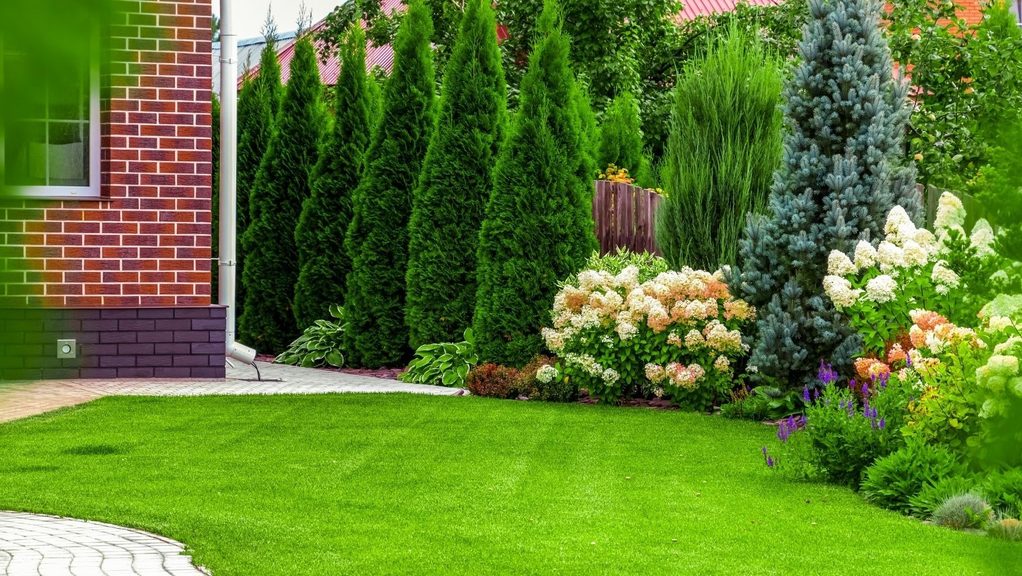
A yard that works perfectly today may feel very different five or ten years from now. Young children grow up, hobbies change, entertaining becomes more or less frequent, and maintaining a large garden may eventually take more time than a homeowner wants to spend.
That does not mean an outdoor space needs to be rebuilt every time life changes. Many future problems can be avoided by designing the yard with flexibility in mind from the beginning. Thoughtful circulation, adaptable gathering areas, sensible plant choices, and room for future features can allow the landscape to change without requiring a complete restart.
Begin With Activities Instead of Features
It is easy to begin landscape planning with a list of things to buy: a patio, fire feature, deck, garden, pergola, or outdoor kitchen. A better starting point is to ask what people will actually do outside.
Does the family eat outdoors several times a week? Do children need open space? Is gardening a serious hobby or something that should require minimal attention? Will the yard regularly accommodate guests?
Thinking in terms of activities makes it easier to create spaces that can serve more than one purpose.
A paved area, for example, might hold a dining table now but later become a lounge area. An open lawn used for children’s games might eventually become a garden or additional seating area.
Create Spaces That Can Serve More Than One Purpose
Highly specialized spaces can be enjoyable, but they are harder to adapt.
A large permanent feature built for one activity may become underused when household routines change. Flexible areas give homeowners more choices.
Keep Gathering Areas Simple
A patio does not need built-in features on every side to feel complete. Leaving some open edges makes it easier to rearrange furniture, add planters, accommodate a larger table, or change how the space is used later.
The same idea applies to decks. Furniture that can move gives homeowners more freedom than layouts where every seating position has been permanently defined.
Avoid Filling Every Available Area
Empty space is not wasted space.
Leaving breathing room around patios, gardens, and structures makes the yard easier to move through and gives future projects somewhere to go. A landscape that is packed tightly on the first day can be difficult to modify without removing something.
Think About How People Will Move Through the Yard
Paths influence how comfortable a landscape feels long after the planting and construction are finished.
The main routes between the house, driveway, patio, garden, shed, gates, and other frequently used areas should feel natural. Homeowners should not have to squeeze around furniture, cross planting beds, or walk through wet grass every time they move between spaces.
Homeowners working with professional landscapers can discuss not only how the property should look when completed, but also how circulation may need to work as the household changes.
A route that is comfortable for young adults may need to accommodate strollers, mobility concerns, gardening equipment, or frequent guests later.
Give Plants Enough Room to Mature
One of the easiest mistakes to make in a new landscape is judging plants only by how they look when they are installed.
Young shrubs and trees may leave visible gaps, which can tempt homeowners to plant more densely than necessary. As plants mature, that same area can become crowded.
Consider expected mature size when choosing locations. Trees should have enough space for their canopy and roots, while shrubs should not depend on constant trimming just to remain within the area assigned to them.
Think About Future Shade
A young tree may cast little shade during its first few seasons, yet its effect on the yard can change as it grows.
That matters when planning gardens, patios, seating areas, and lawns. A sunny planting bed may gradually receive more shade, while a seating area exposed to afternoon sun today could become much more comfortable later.
Looking ahead can reduce the need to relocate plants once the landscape matures.
Make Garden Beds Easier to Modify
Garden preferences change. Some homeowners become more interested in planting over time, while others eventually want less maintenance.
Beds with clear shapes and practical access are easier to adapt than narrow or awkward planting pockets scattered throughout the yard.
A garden could begin with simple shrubs and later accommodate more perennials. Another area might eventually be reduced and converted to lawn or hardscape if maintenance becomes a concern.
Access matters as well. If reaching the back of a planting bed requires stepping over other plants, routine care becomes more difficult as vegetation fills in.
Plan for Maintenance Before Choosing Materials
Every landscape requires some care, but the type and amount vary considerably.
Homeowners who enjoy gardening may be comfortable with frequent pruning, planting, dividing, and seasonal cleanup. Others may prefer a simpler arrangement with fewer intensive tasks.
Hardscape also requires thought. Patios, walkways, decks, fences, water features, and other structures all have their own maintenance needs.
The goal is not to eliminate maintenance. It is to create a yard whose upkeep matches the amount of time and effort the household realistically wants to give it.
Consider Accessibility Before It Becomes Necessary
Accessibility is much easier to incorporate during initial planning than to add after every walkway, step, and retaining feature has been built.
Changes in level should be considered carefully, especially along major routes. Steps may fit the current design, but homeowners can also think about whether another part of the property could offer a gentler approach.
Provide Comfortable Walking Space
Narrow paths can feel charming in a garden, but primary routes usually benefit from enough room for comfortable movement.
Consider carrying groceries, moving outdoor furniture, pushing equipment, or walking beside another person. A landscape should work during ordinary tasks, not just when everyone is sitting down.
Leave Options for Future Outdoor Features
Homeowners do not always have the budget or desire to build the entire dream yard at once.
Perhaps an outdoor kitchen, hot tub, pergola, shed, pool, or larger entertaining space could be added several years later. Even if those projects are uncertain, identifying possible locations now can prevent today’s design from blocking them.
Future planning may affect planting placement, pathways, drainage, access for construction, and the amount of open space retained. If later plans could involve concrete patios, walkways, equipment pads, or other permanent surfaces, commercial concrete services may also need enough access and working space to prepare the site and complete those features without disturbing established areas of the yard.
It is usually easier to leave a suitable area available than to remove mature landscaping when a new feature is finally added.
Pay Attention to Privacy as the Landscape Changes
Privacy needs can change along with the household and surrounding properties.
A seating area that feels private today may become more exposed if a neighboring property changes. Trees and shrubs can also alter views as they mature.
Rather than relying on a single privacy feature, consider layers. Fencing, screens, structures, trees, shrubs, and carefully chosen seating locations can work together.
This approach can also make future adjustments easier because privacy does not depend entirely on one element.
Design for the Yard You May Need Later
A successful landscape does more than look finished on installation day. It gives homeowners room to live differently as the years pass.
Flexible gathering spaces can take on new uses. Well-planned paths remain comfortable as mobility needs change. Plants have enough room to mature, while garden beds can expand or simplify. Open areas leave space for features that may not be part of the first phase.
No one can predict exactly how a household will use its yard years from now. A landscape does not need to predict the future. It simply needs enough flexibility to accommodate it without forcing homeowners to rebuild everything around each new stage of life.
More Stories
Why Your Shower Water Quality Matters for Skin and Hair
What Can a Roof Inspection Reveal Before a Small Problem Becomes an Interior Repair?
What Decisions Should Be Settled Before You Finalize a Custom Home Floor Plan?
Find, Sell, Or Market Homes Faster In 2026 – All on www homerocketrealty com