
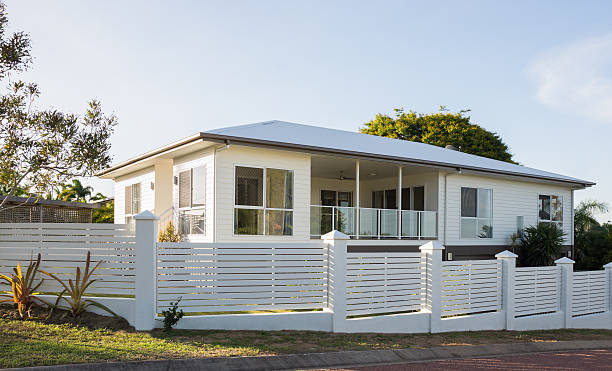
A building’s exterior does more than shape its appearance. It also contributes to protection, character and long-term performance.
Across Australia, timber cladding remains a popular architectural choice because it can suit contemporary homes, renovations, coastal properties and commercial buildings while adding natural warmth to the exterior.
For homeowners, builders, architects and property professionals, the value of a cladding system comes from how well it balances appearance, durability, maintenance and suitability for the building style. Shiplap profiles can meet these needs when the material and installation approach are carefully selected.
How Shiplap Profiles Work
Shiplap boards are made with overlapping edges that allow adjoining boards to fit closely together. This creates a neat surface with clearly defined lines and helps form a protective outer layer for the building.
Creating a Strong Architectural Appearance
Timber can add texture, depth and natural colour variation to a façade. Horizontal boards can create a familiar, grounded look, while vertical installation can give a building a taller and more contemporary appearance.
Shiplap profiles can also be paired with brick, concrete, stone, glass or metal. This gives architects and builders flexibility when creating contrast between different sections of a home or commercial property.
Practical Benefits for Australian Buildings
The appeal of timber cladding is not limited to appearance. Its performance also depends on the timber species, board profile, coating system, installation quality and local climate.
Durability and Exterior Protection
Correctly specified and installed timber cladding can provide a durable exterior surface that helps protect underlying building components from normal weather exposure.
Important factors include:
- timber species and grade
- board orientation
- surface finish
- exposure to sun and rain
- correct detailing around openings
- ongoing inspection and care
Builders and property owners comparing timber options can review information about shiplap cladding alongside other cladding profiles to understand how different products may suit particular design and construction requirements.
Suitable for Different Building Styles
Shiplap-style boards can work across many architectural settings. They are commonly considered for:
- contemporary detached homes
- coastal-style residences
- rural and regional properties
- home extensions and renovations
- townhouses
- selected commercial façades
The direction, spacing and finish of the boards can influence how the cladding relates to the rest of the building. Timber can be used across an entire exterior or limited to feature areas such as entrances, upper levels or selected walls.
Maintenance and Long-Term Appearance
Timber exteriors benefit from regular care. Simple inspection and maintenance can help preserve both appearance and performance over time.
Planning for Ongoing Care
Property owners should check exterior timber periodically for dirt build-up, coating condition, and areas receiving strong sun or frequent rain. Maintenance schedules will vary according to the timber type, finish and exposure.
Cleaning and recoating should follow the recommendations that apply to the selected product and coating system.
Protecting the Finish Over Time
Keeping the surface in good condition also helps maintain the timber’s colour and overall appearance. Areas with greater exposure to sunlight, moisture or changing weather may benefit from closer inspection as part of routine property maintenance.
Conclusion
Shiplap profiles offer a practical combination of natural appearance, durability, design flexibility and manageable maintenance for many Australian buildings. Their clean lines can suit contemporary, coastal, rural and traditional-inspired architecture while working well with other exterior materials.
The best results come from matching the timber species, finish, board direction and installation details to the building and its environment. By considering these factors early, homeowners and property professionals can make a more informed cladding choice that supports both visual character and long-term building performance. Regular care can then help retain its finish for years.
More Stories
What is a fire brick used for?
Sacramento ADU Builder Clarifies How Property Taxes Change When Homeowners Add an Accessory Dwelling Unit
Best AI Tools for Character Consistency in AI-Generated Series
How AI Is Changing Film Pre-Production: From Scripts to Shot Planning