
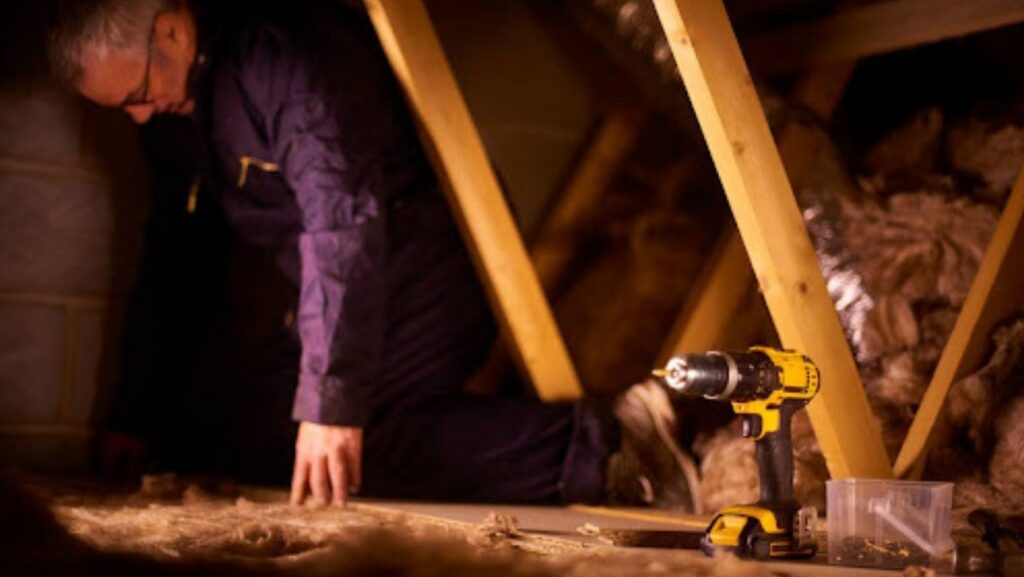
Quick Answer
Attic inspections prove essential because they uncover concealed problems such as leaks, moisture accumulation, and compromised insulation that exterior views often miss. Conducting a roof inspection after a storm helps identify hail damage to the roof early, including subtle breaches allowing water entry. This timely approach prevents mould development, wood decay, and structural weakening while preserving energy efficiency. Homeowners gain peace of mind by addressing signs of roof storm damage promptly, avoiding escalated repair costs down the line.
Introduction
Picture a powerful storm rolling through overnight, with relentless wind and hail battering every surface. By morning, debris litters the yard, and outdoor items show clear dents, yet the roof seems fine from street level. Hidden dangers frequently develop out of sight, however, as minor cracks let moisture infiltrate quietly, gradually affecting interior components.
Many property owners prioritize obvious exterior fixes, yet a roof inspection after storm reveals internal clues like damp spots or light piercing through the decking. Attic inspection services in Calgary provide practical examples of thorough, targeted assessments.
Severe weather compromises roofing materials in ways that allow gradual deterioration, raising risks of broader home impacts. Understanding these dynamics encourages proactive steps to maintain property integrity against ongoing elemental exposure.
Key Signs of Roof Storm Damage Homeowners Should Watch For
After severe weather passes, spotting indicators of compromise on the exterior provides the first clues about potential issues. Homeowners often start with a ground-level scan or ladder check to identify obvious problems before they spread inward. Catching these early signals limits further deterioration and guides decisions on deeper evaluations.
Visible Exterior Clues from the Ground
Certain markers appear without climbing up, offering quick hints about impact severity.
- Missing or curled shingles where wind has lifted sections
- Dents or bruises on metal flashing around chimneys and vents
- Granule buildup in gutters from hail damage to the roof surfaces
- Cracked or split tiles on steeper pitches
- Debris accumulation blocking drainage paths
Closer Indicators Requiring Ladder Access
For a better view, safe ladder positioning reveals finer details on the covering.
- Bruising or soft spots when gently pressed, showing underlying mat compression
- Fractures radiating from impact points, especially after larger stones
- Loose nails popping up, weakening attachment
- Discoloured streaks from water runoff carrying away protective layers
- Bent or warped metal panels losing their shape
Interior Hints Pointing to Breaches
Sometimes, problems manifest inside first, prompting upward checks.
- Water stains on ceilings or walls below roof lines
- Peeling paint or bubbling in upper rooms
- Musty odours suggesting trapped moisture
- Daylight visible through boards in attic spaces
These signs of roof storm damage vary by material and event intensity, yet prompt attention helps contain issues. Homeowners who note several markers often find value in moving to interior spaces next for confirmation.
The Critical Role of Attic Inspections After Heavy Storms or Hail
Attic spaces often reveal the true extent of weather impacts that remain hidden from exterior views. While surface checks show dents or missing pieces, interior evaluations uncover moisture entry, insulation displacement, and early structural stress.
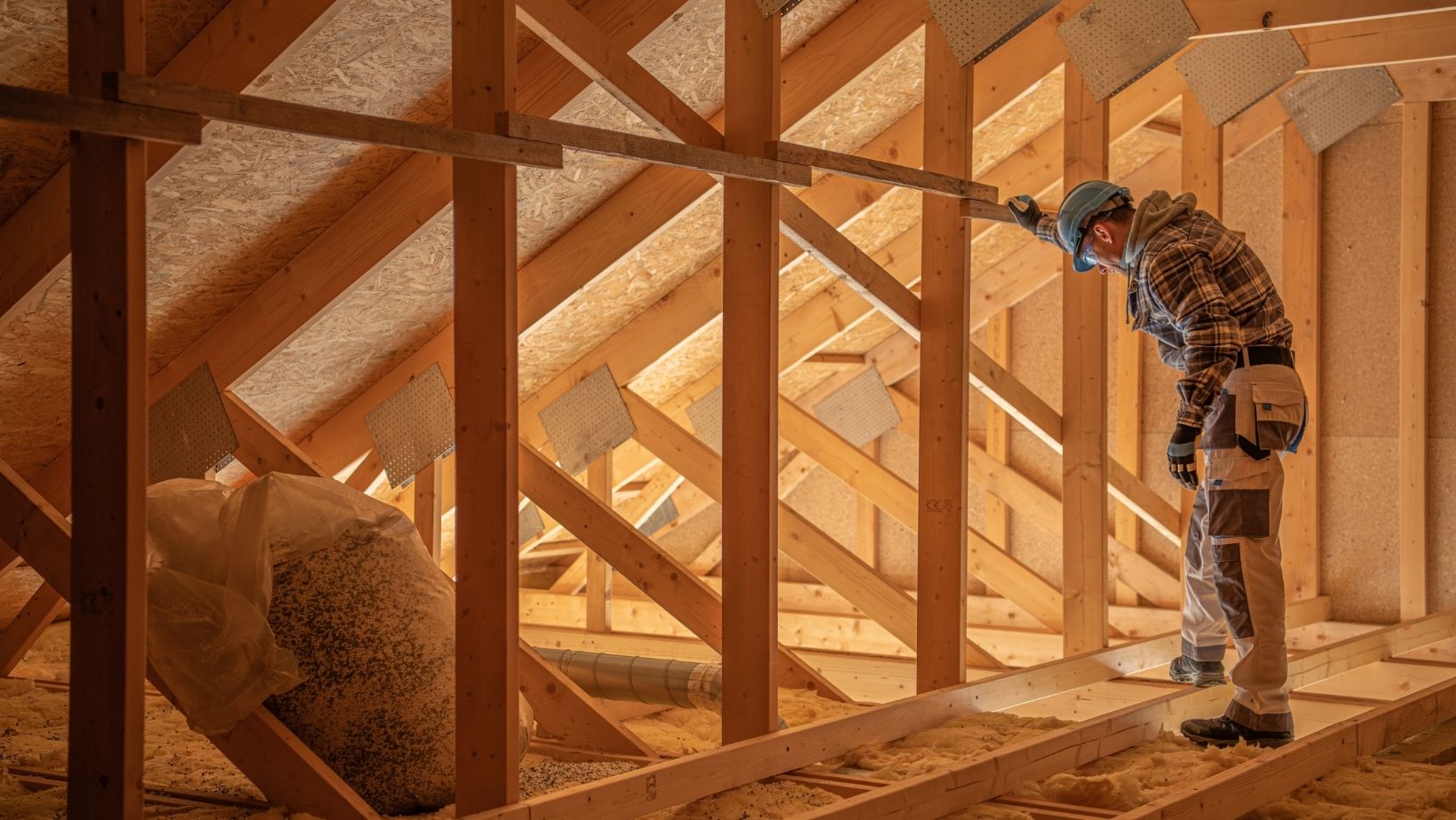
Conducting thorough upward assessments bridges the gap between visible harm and concealed threats.
Why Interior Checks Reveal More Than Exterior Ones
Ground or ladder observations miss subtle penetrations where water travels along rafters or pools quietly. Hail damage roof inspection from below highlights damp sheathing or streaking that signals ongoing seepage. Similarly, storm damage roof inspection gains depth by examining areas directly under compromised zones, catching problems before they affect living spaces.
Common Hidden Issues Found During Attic Evaluations
Post-event reviews frequently expose specific concerns tied to recent conditions.
- Saturated or compressed insulation reducing thermal performance
- Dark stains or white efflorescence on wood indicating moisture contact
- Mould patches on surfaces, thriving in humid pockets
- Displaced or torn vapour barriers allowing air leaks
- Small piles of granules fallen through minor decking cracks
Benefits of Timely Upward Assessments
Acting quickly yields several advantages for property maintenance.
- Prevents minor leaks from expanding into widespread rot
- Maintains energy efficiency by protecting insulating materials
- Reduces health risks from fungal growth in enclosed areas
- Supports accurate insurance claims with documented interior evidence
- Extends overall roof system longevity through early intervention
These evaluations play a pivotal role because issues compound rapidly in confined upper spaces. As problems develop out of sight, regular post-storm reviews become a cornerstone of responsible home care.
Practical Steps for Conducting an Attic Check Post-Storm
Homeowners can perform initial upward reviews themselves with basic precautions, gathering valuable insights before deciding on further action. Safety comes first, followed by systematic observation to document findings effectively. These checks empower property owners to gauge severity without delay.
Preparing Safely Before Entry
Proper setup reduces risks in confined upper areas.
- Wait for dry conditions and daylight to improve visibility
- Use a sturdy ladder with secure footing and a spotter if possible
- Wear protective gear, including a mask, gloves, and non-slip shoes
- Bring a strong flashlight and a camera for recording observations
- Avoid stepping on insulation; use plywood boards over joists for support
Systematic Inspection Process
Move methodically to cover key zones without missing details.
- Start at the access point and scan for obvious water trails or drips
- Check around vents, chimneys, and valleys where breaches commonly occur
- Examine insulation for dark patches or clumping from saturation
- Look at underside decking for light penetration or streaking
- Feel wood members gently for softness, indicating decay onset
Documenting and Interpreting Findings
Clear records aid next decisions.
- Photograph any concerning areas with scale references
- Note locations relative to exterior features for correlation
- Measure damp spots, if present, to track changes over time
- Compare against pre-storm photos if available
Completing these steps provides a clear picture of internal conditions, helping prioritize responses. Many find the process straightforward once prepared, turning potential worries into manageable tasks.
Next Actions: When to Seek Professional Help and Preventive Measures
Once initial checks reveal concerns or conditions appear beyond basic fixes, bringing in specialists becomes the logical step. Professionals bring tools like moisture meters and thermal cameras to detect issues invisible to the naked eye. They also handle repairs safely, addressing both surface and underlying problems comprehensively.
Indicators Calling for Expert Involvement
Certain findings signal the need for trained assessment.
- Extensive damp areas spanning multiple rafters
- Visible mould covering more than a small patch
- Structural sagging or cracked beams
- Persistent leaks despite dry weather outside
- Uncertainty about material conditions or safe access
Common Professional Services Available
Experts offer targeted solutions tailored to findings.
- Detailed reporting with photos for insurance purposes
- Temporary tarping to prevent further water entry
- Insulation removal and replacement if contaminated
- Ventilation upgrades to reduce future humidity
- Full roof restoration coordinating multiple trades
Everyday Habits to Reduce Future Risks
Simple routines strengthen resilience against upcoming events.
- Clear gutters and downspouts regularly to maintain flow
- Trim overhanging branches that drop debris or shade moist areas
- Schedule annual maintenance reviews before peak seasons
- Consider impact-resistant materials during replacements
- Install proper attic venting to balance temperature and moisture
Taking these measures shifts focus from reaction to preparedness, safeguarding the home over the years. Consistent small efforts often prove more effective than occasional major overhauls.
Final Thoughts on Protecting Your Home from Storm Impacts
Severe weather events remind homeowners how vital proactive upkeep remains in preserving property value and comfort. From understanding material weaknesses to spotting early indicators and conducting thorough attic reviews, each step contributes to catching problems before they spiral. Regular attention to these areas minimizes surprises and keeps repair needs manageable.
The role of attic inspections after heavy storms or hail stands out as particularly important, often revealing moisture paths missed elsewhere. Pairing personal observations with timely expert input creates a balanced approach, blending hands-on vigilance with specialized knowledge. Preventive habits further reinforce defences, turning occasional checks into lasting habits.
In the end, staying ahead of potential issues safeguards both the structure and household well-being. Homeowners who adopt these practices enjoy greater confidence, knowing their properties withstand seasonal challenges more effectively. Small, consistent actions today pave the way for fewer disruptions tomorrow.
More Stories
What Buyers in Worcester & Central MA Should Check in an HVAC System Before Closing
The Rise of All-In-One Digital Sports and Gaming Ecosystems
Electrical Improvements That Can Make a Home in Austin, Texas More Attractive to Today’s Buyers
Best AI Tools for Creating Cinematic Shot Breakdowns Before Production