
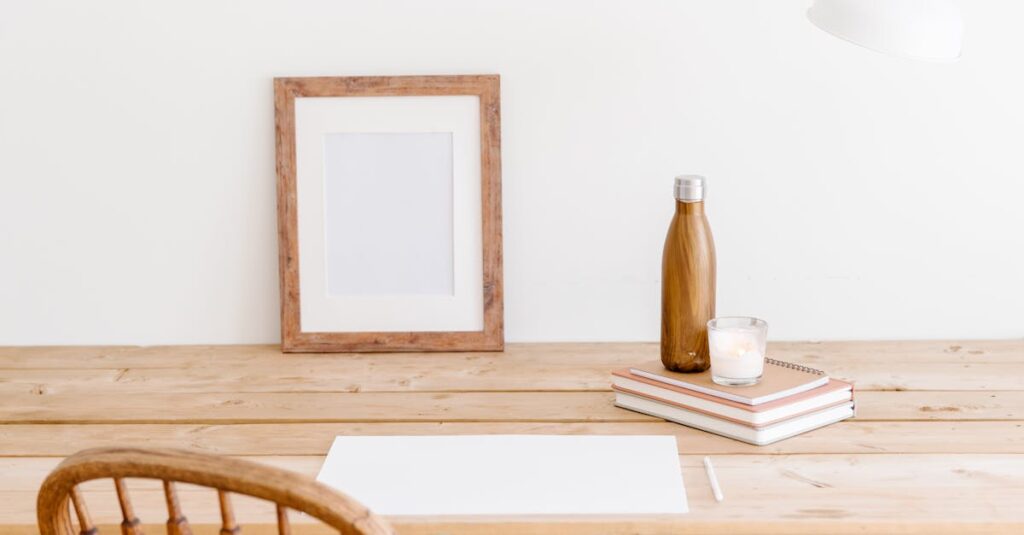
Picture this: It’s Monday morning. You’re sitting at your kitchen table, laptop open, coffee cooling fast. Your back aches, your focus drifts, and you wonder—could a better home office interior design change everything? If you’ve ever felt stuck, distracted, or just plain uninspired in your workspace, you’re not alone. The right home office interior design doesn’t just look good—it can spark creativity, boost productivity, and make you actually want to sit down and work.
Why Home Office Interior Design Matters
Let’s break it down. Your workspace shapes your mood, your energy, and even your health. A cluttered desk can make your brain feel cluttered. Bad lighting? That’s a recipe for headaches and eye strain. But a well-designed home office can help you focus, feel calm, and get more done in less time. Here’s the part nobody tells you: You don’t need a huge budget or a spare room to create a space that works for you. You just need a few smart moves.
Start With Your Why
Before you buy a single chair or paint a wall, ask yourself: What do I actually need from my home office interior design? Are you on video calls all day? Do you need space to spread out papers? Or do you just want a quiet corner to think? Your answers shape every choice you make. If you’re a creative, you might crave color and inspiration boards. If you’re a numbers person, you might want clean lines and zero distractions. There’s no one-size-fits-all—just what fits you.
Choose the Right Spot
Here’s a secret: The best home office interior design starts with location. If you can, pick a spot with natural light. Sunlight boosts your mood and helps you stay alert. No windows? Add a daylight lamp. Avoid high-traffic areas—kitchens and living rooms can be distraction central. Even a small nook or closet can work wonders if you set it up right.
Furniture That Works (and Doesn’t Hurt)
Desk Decisions
Let’s talk desks. You don’t need a giant executive desk. A simple table can work if it’s the right height. Aim for a surface that lets your elbows rest at a 90-degree angle. If you’re short on space, try a wall-mounted desk or a fold-down option. The key is comfort and enough room for your essentials.
Chair Choices
Don’t skimp on your chair. Your back will thank you. Look for adjustable height, good lumbar support, and a seat that lets your feet rest flat on the floor. If you’re on a budget, add a cushion or a rolled towel for extra support. Here’s why: Even the best home office interior design falls flat if you’re uncomfortable.
Lighting: The Unsung Hero
Bad lighting can ruin your day. Overhead lights often cast harsh shadows. Instead, layer your lighting. Use a desk lamp with a warm bulb for focused tasks. Add a floor lamp for ambient light. If you’re on video calls, position your light in front of you—not behind—so you don’t look like a mysterious silhouette. Small change, big impact.
Storage That Actually Works
If you’ve ever lost an important paper under a pile of receipts, you know the pain. Smart storage is the backbone of home office interior design. Use shelves, baskets, or even wall-mounted organizers to keep things tidy. Label everything. If you’re a visual person, clear containers help you see what you have. If you like things hidden, closed cabinets are your friend. The goal: Everything has a home, so your mind can focus on work—not clutter.
Personal Touches: Make It Yours
This is where the magic happens. Add a plant for a pop of green and a breath of fresh air. Hang art that makes you smile. Use a mug you love for pens. These little details turn a workspace into your space. If you’re worried about distractions, keep personal touches to one or two items. The point is to feel good every time you sit down.
Color Psychology: Set the Mood
Colors affect how you feel. Blue can calm you down. Yellow sparks creativity. Green helps you focus. If you’re painting walls or picking accessories, think about the mood you want. Even a colorful notebook or a bright chair cushion can shift your energy. Don’t be afraid to experiment—paint is easy to change if you don’t love it.
Tech Setup: Streamline Your Workflow
Cords everywhere? That’s a recipe for stress. Use cable organizers or even binder clips to keep things neat. Invest in a good monitor if you stare at a screen all day. A wireless keyboard and mouse can free up desk space. If you’re on calls, a quality headset makes a world of difference. Here’s the part nobody tells you: The right tech setup is part of great home office interior design. It’s not just about looks—it’s about how you work.
Who This Is For (And Who It’s Not)
If you work from home, even part-time, home office interior design matters. It’s for anyone who wants to feel better and work smarter. But if you love working from the couch or thrive in chaos, you might not need a dedicated space. That’s okay. The goal isn’t perfection—it’s progress. Try one change at a time and see what sticks.
Common Mistakes (And How to Fix Them)
- Too much stuff: Edit your space. Keep only what you use daily.
- Ignoring comfort: Adjust your chair and monitor height. Your body will thank you.
- Bad lighting: Add a lamp or move closer to a window.
- No boundaries: Use a screen, rug, or even headphones to signal “work mode.”
Next steps: Pick one mistake and fix it today. Small wins add up fast.
Real-Life Lessons: What I Wish I Knew
When I first set up my home office, I bought the cheapest chair I could find. Big mistake. My back hurt, my focus tanked, and I dreaded sitting down. After I upgraded to a better chair and added a plant, everything changed. I felt more energized and actually looked forward to work. If you take one thing from this, let it be this: Invest in comfort first. The rest will follow.
Actionable Tips to Elevate Your Home Office Interior Design
- Pick a spot with natural light if possible.
- Invest in a comfortable chair and desk.
- Layer your lighting for different tasks.
- Use storage to keep clutter out of sight.
- Add one or two personal touches that make you smile.
- Choose colors that match your mood and work style.
- Keep your tech setup simple and organized.
- Set boundaries—physical or mental—for work time.
Try one tip this week. Notice how it changes your day. Home office interior design isn’t about perfection—it’s about making your space work for you. If you’ve ever struggled to focus, felt uninspired, or just wanted a workspace that feels like yours, now’s the time to make a change. Your future self will thank you.
More Stories
Simple Finishing Touches That Elevate Your Home’s Interior Design
Why a Spa-Style Shower Upgrade Is One of the Smartest Small Renovations Before You List
Designing Comfortable Kitchen and Home Bar Seating: Layout, Ergonomics, and Everyday Practicality
Bathroom Layout Gone Wrong? Redesign Ideas to Improve Bathing Space Functionality