
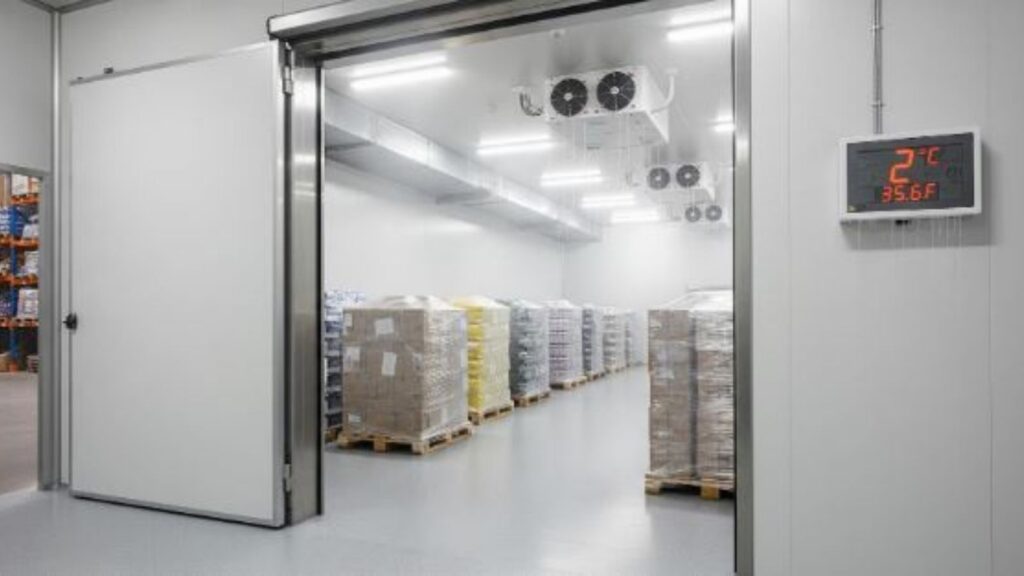
Cold storage plays a vital role in many industries, from food service to pharmaceuticals. Choosing the right cold room is not simply a technical decision. It affects efficiency, compliance, and day-to-day operations. Working with experienced cold room installers can clarify options, but business owners still benefit from understanding how different cold room types suit various needs. Storage volume, available space, and operational demands should guide the choice rather than habit or price alone.
Start With Storage Requirements
The first consideration is what needs to be stored and how often it moves. High-turnover products require easy access and clear organisation. Long-term storage places greater emphasis on temperature stability and capacity. Product type also matters. Fresh produce, frozen goods, medicines, and beverages all have different temperature and humidity needs. Defining these requirements early narrows suitable options and prevents costly redesigns later.
Understanding Available Space
Physical space often limits cold room design more than budget. Ceiling height, floor loading, access routes, and surrounding operations all influence what can be installed. Some businesses operate in tight back-of-house areas where every metre counts. Others have larger footprints but irregular layouts. Accurate measurement and consideration of how staff will move in and out of the space help avoid bottlenecks and safety issues.
Custom Built Cold Rooms
Custom-built cold rooms are designed to meet specific site conditions and storage requirements. They suit businesses with unusual layouts, high capacity demands, or strict compliance requirements. This option offers flexibility. Dimensions, door placement, shelving, and cooling systems are tailored precisely. Custom builds often cost more upfront, but they deliver efficiency gains where standard sizes would waste space or limit workflow.
Modular Cold Room Solutions
Modular cold rooms use prefabricated panels assembled on site. They provide a balance between flexibility and installation speed. This type suits businesses that expect growth or change. Panels can be reconfigured, expanded, or relocated if operations shift. Modular systems often reduce installation downtime, making them attractive in busy environments.
Beer Cellar Cold Rooms
Beer cellar cold rooms serve a specialised purpose. They focus on beverage storage rather than general refrigeration. Temperature consistency and access for kegs or cases are key priorities. These rooms are standard in pubs, bars, and hospitality venues where presentation and reliability matter. Design often includes racking systems and door sizes suited to regular handling rather than bulk storage.
Operational Demands And Workflow
Cold rooms should support how staff work, not hinder it. Poor placement or layout increases handling time and fatigue. Consider delivery frequency, peak usage periods, and staffing levels. A cold room used constantly during service hours needs quick access and clear internal organisation. Lower-use storage may prioritise capacity over convenience.
Energy Efficiency Considerations
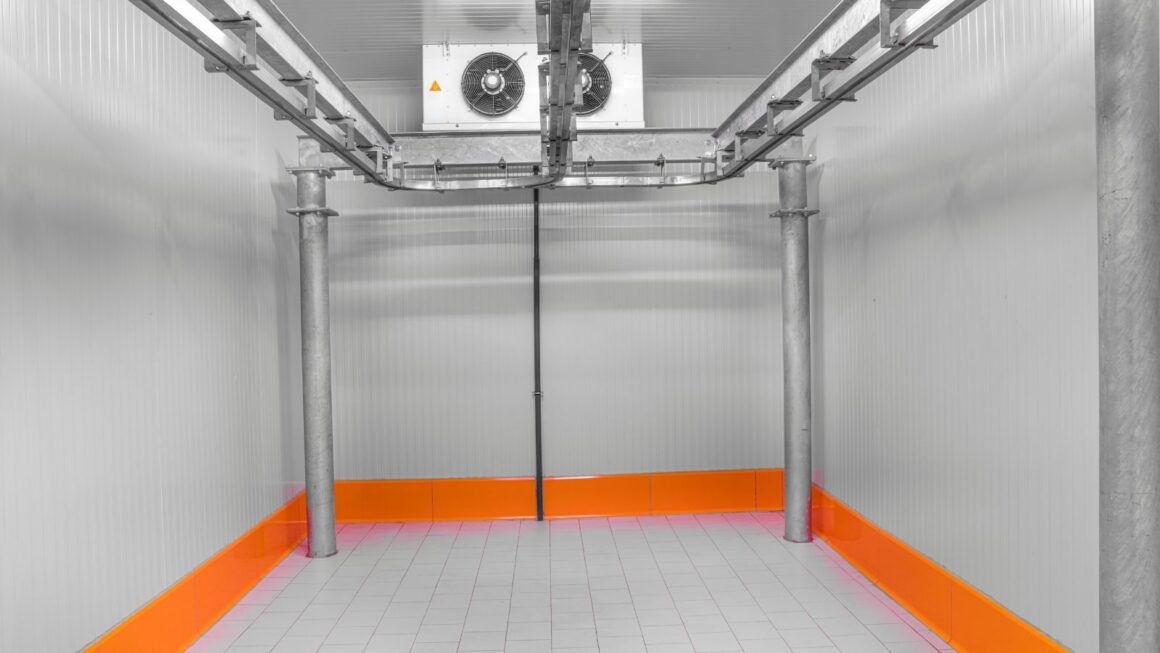
Energy use affects running costs long after installation. Insulation quality, door seals, and refrigeration efficiency all influence consumption. Choosing a cold room that matches actual demand prevents overcooling and wasted energy. Modern systems often include controls that adapt to usage patterns, reducing unnecessary load during quieter periods.
Compliance And Food Safety
Many sectors operate under strict regulations. Cold rooms must meet hygiene, temperature monitoring, and safety standards. Design choices should support compliance rather than require workarounds. Smooth surfaces, easy-clean materials, and proper drainage simplify maintenance and inspections. Planning for these details avoids operational disruption.
Future Proofing The Investment
Business needs rarely remain static. Expansion, menu changes, or new product lines can alter storage requirements. Selecting a cold room with some flexibility protects the investment. Modular designs or custom builds with spare capacity allow adaptation without complete replacement. Thinking ahead reduces long-term costs and downtime.
Installation And Maintenance Planning
Installation is only part of the lifecycle. Ongoing maintenance ensures reliability and compliance.
Access for servicing, parts availability, and system complexity affect long-term performance. Precise maintenance planning keeps cold rooms running smoothly and prevents unexpected failures during critical periods.
Budget Versus Value
Initial cost often dominates decision-making, but value lies in performance over time. Cheaper systems may cost more through inefficiency, repairs, or replacement. Balancing upfront spend with expected lifespan and operating costs leads to better outcomes. A cold room that fits the business precisely often pays for itself through smoother operations.
Matching Type To Business Model
No single cold room suits every business. Retail, hospitality, healthcare, and manufacturing all place different storage demands. Matching cold room type to business model ensures the system supports growth rather than constrains it. Understanding these differences allows informed discussions with suppliers and installers.
Making A Confident Decision
Choosing the right cold room requires clarity, not complexity. By assessing storage needs, space, and operational flow, businesses can narrow options quickly. Custom-built, modular, and beer cellar cold rooms each offer advantages when matched correctly. With careful planning and professional input, the chosen system becomes a reliable asset rather than a compromise.
Building Storage That Works Long Term
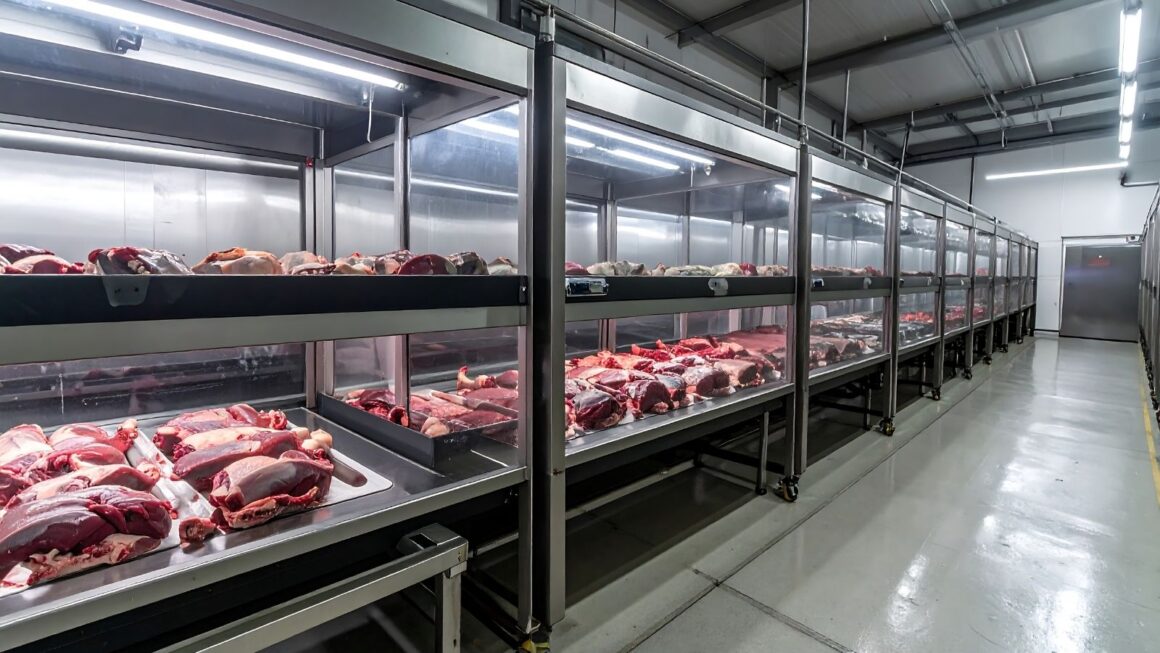
Cold rooms are central to many operations. Their design influences efficiency, compliance, and staff experience every day. Selecting the right type from the outset reduces disruption and supports long-term success. When storage aligns with how a business honestly operates, the cold room becomes a silent partner in productivity rather than a constant concern.
More Stories
From Function to Fashion: The Rise of Luxury Large Match Boxes