
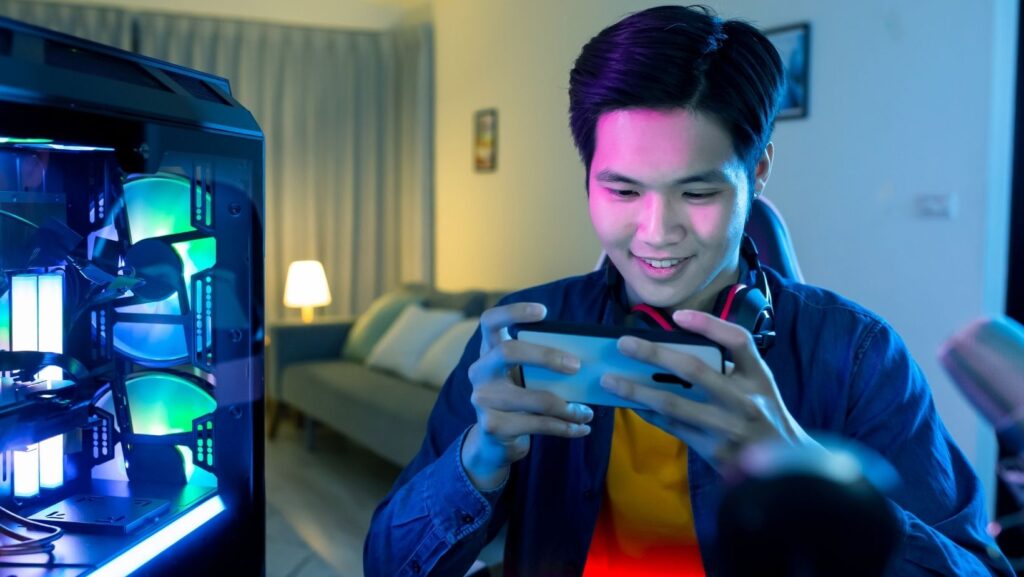
Smartphones have inconspicuously transformed from simple communication tools into a central hub through which we consume content and engage in our hobbies. Previously, immersing oneself in a favorite pastime required a specific time and place, but now the entire world of entertainment fits in a back pocket. I believe this has not just simplified access to information, but completely restructured our habits and leisure expectations. Mobile devices have blurred the lines between “free time” and daily routine, making content consumption a continuous process. In this article, I want to break down exactly how gadgets have changed the rules of the game and why we can no longer return to the old format.
Instant Access to News and Events
The main change brought by the smartphone is the immediacy of receiving information. There is no longer a need to wait for evening broadcasts or log onto specialized websites from a PC to find out the latest events in the industry. Such accessibility allows you to stay within the context of your hobby 24/7 without spending dedicated hours on it. In a world where information becomes outdated in minutes, the ability to check for updates in any free second becomes a defining factor for any passionate individual.
The speed of content distribution via mobile devices forces developers and content creators to adapt to a new rhythm. For example, while browsing valorant news on our website right on your way to work, you can manage to prepare for a new patch or study character stat changes before the gaming evening even begins. In dynamic games like Valorant, this provides a real advantage, as you are always aware of the current meta and the latest tactical findings of professional teams, which allows you not to waste time on independent experiments within the game itself.
I believe that such deep integration of news feeds into daily life changes the very structure of our leisure time. The smartphone turns passive waiting into useful pastime, allowing us to absorb information in short but substantial portions. Now, a hobby is not limited solely to the process of the game or activity itself – it continues in the form of reading analytics, watching short clips, and studying guides, all of which are accessible wherever there is a mobile network.
Transformation of Esports Content Consumption
Watching tournaments and following professional players have gone mobile, radically increasing the esports audience. Smartphones allow you to watch streams on Twitch or YouTube anywhere, whether you are in line at a store or riding the subway. This has removed the “tethered to the chair” barrier that previously limited the industry’s growth. Now, a major final or qualification match doesn’t require you to be home in front of a monitor, making esports part of the daily landscape rather than just evening leisure.
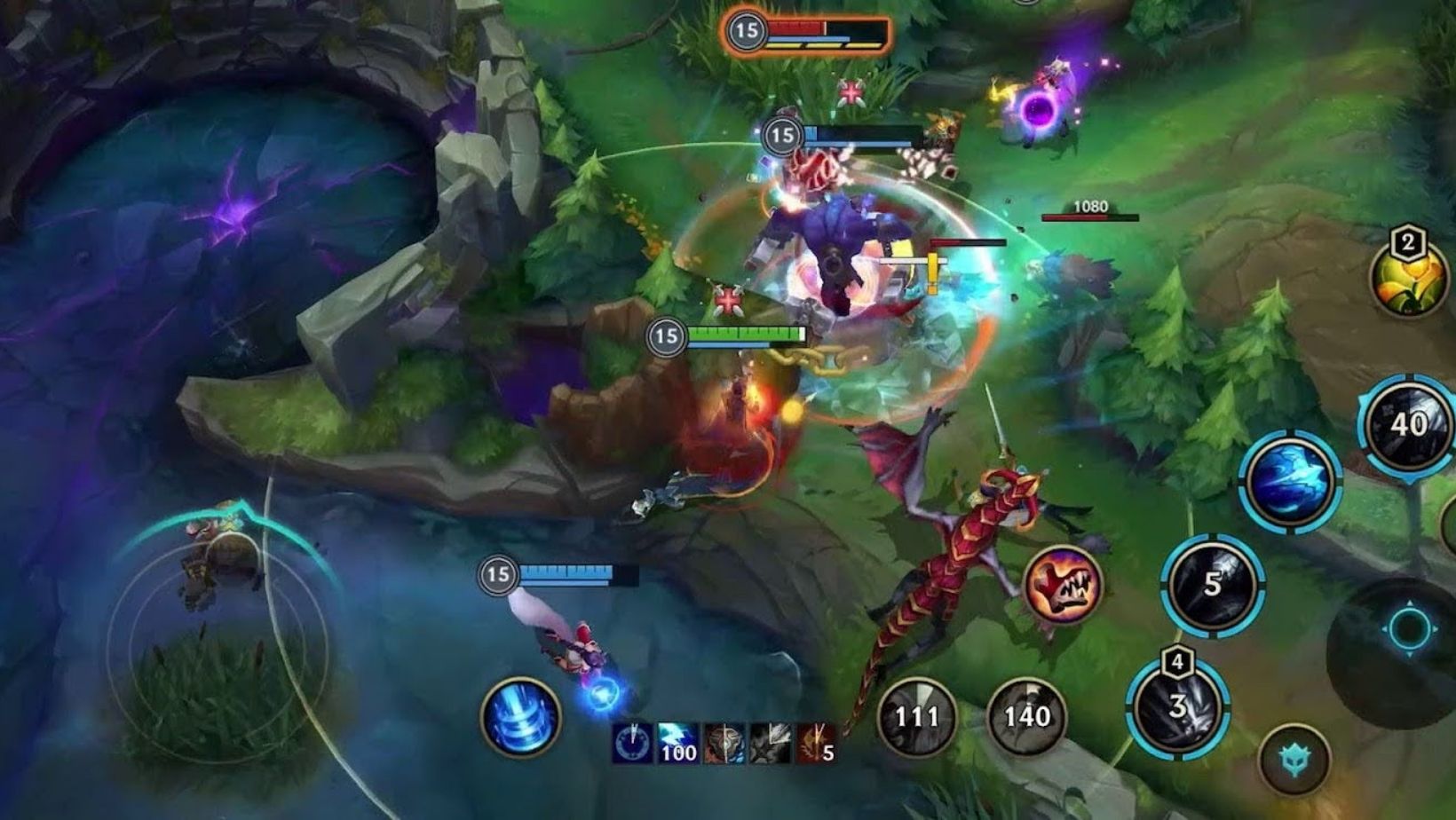
Mobile platforms have created an ecosystem where interaction with your favorite discipline happens instantly and seamlessly. By studying the latest cs news at the center of their information flow, modern fans receive real-time notifications about match starts, roster changes, and series results. In Counter-Strike 2 or League of Legends, events develop rapidly, and the ability to instantly see a highlight of a great play or detailed match statistics through an app changes the very culture of fandom, making it more interactive and profound.
I am convinced that it was the smartphone that turned esports from a niche hobby for a narrow circle into a global spectacle that is always at hand. Thanks to optimized applications and social networks, discussions of game moments happen parallel to the broadcast itself in messengers. This creates a sense of belonging to a vast community, even if you are alone. This format of content consumption sets a new standard where the speed and accessibility of information determine audience loyalty and engagement.
Hobby Trackers and Mobile Tools
Smartphones have provided tools to structure our passions that were once unimaginable. Thousands of apps, from Strava for fitness to specialized programs for musicians, turn chaotic activities into calibrated processes. Now, your hobby is always under control, with the necessary knowledge base or toolkit just a single touch away.Technological progress has ported professional functions into mobile formats, blurring the line between amateur and expert. Whether it is finding book reviews on Goodreads or sketching on the go with mobile graphic editors, the barrier to entry has vanished. For fans of active entertainment like Pokemon GO, the smartphone acts as a portal, merging the real world with game mechanics to achieve specific goals.\
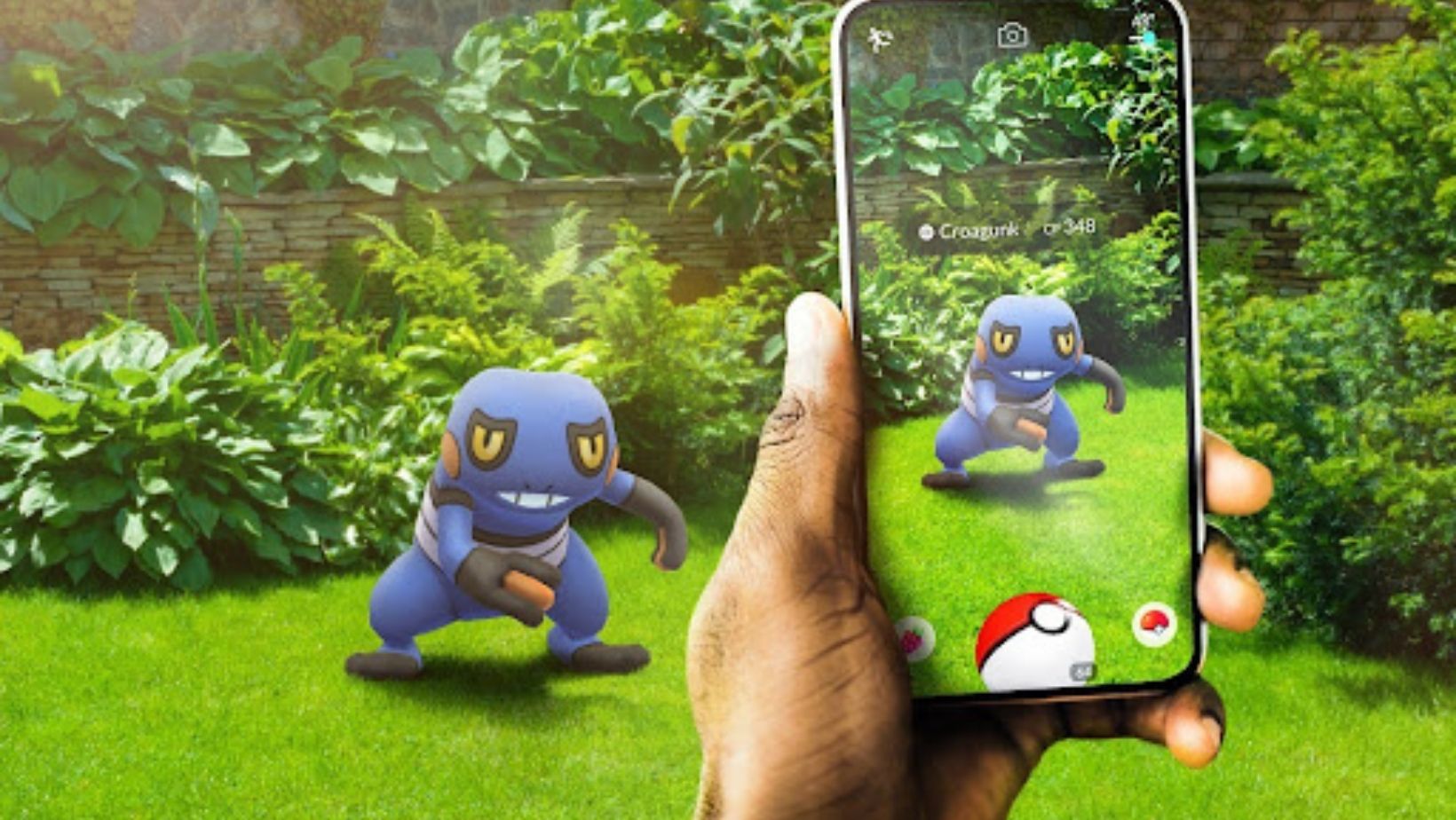
I am convinced that this digitalization makes hobbies more intentional by visualizing growth through numbers and charts. It turns any activity into a game with levels and achievements, which motivates further progress. The smartphone no longer just broadcasts content; it helps you create your own, turning daily actions into a quest for self-improvement.
Social Interaction Paradigm Shift
The social aspect of hobbies has moved into mobile communities and messengers. We are no longer tied to local clubs, as Discord and social media allow us to find like-minded people globally in seconds. This has eliminated geographical isolation, turning once-solitary interests into a shared, collective experience.
In mobile titles like Genshin Impact or Mobile Legends, communities live inside the smartphone, where players exchange tips and find teammates around the clock. The ability to instantly share achievements or trophies has created a new culture of digital recognition. Rapid feedback from peers stimulates us to devote more energy to our passions, maintaining a cycle of continuous engagement.
I believe this transformation unites people across different ages and professions in a single space for sharing experience. We no longer wait for face-to-face meetings to discuss tactics or progress – interaction has become seamless. Ultimately, smartphones have made hobbies more “human” by providing peer support the moment we unlock our screens.
Conclusion
In the end, smartphones have made our passions more democratic and integrated into our lives. We have stopped being passive consumers, gaining the ability to manage our leisure literally at our fingertips. Despite the criticism of excessive screen time, I believe that gadgets have enriched our experience by giving us the freedom to choose when and how to engage in what we love. It is only important to maintain a balance and use technology as a tool to enhance our interests rather than as a way to aimlessly kill time. The future of entertainment has already arrived, and it fits entirely in the palm of our hand.
More Stories
What Buyers in Worcester & Central MA Should Check in an HVAC System Before Closing
The Rise of All-In-One Digital Sports and Gaming Ecosystems
Electrical Improvements That Can Make a Home in Austin, Texas More Attractive to Today’s Buyers
Best AI Tools for Creating Cinematic Shot Breakdowns Before Production