
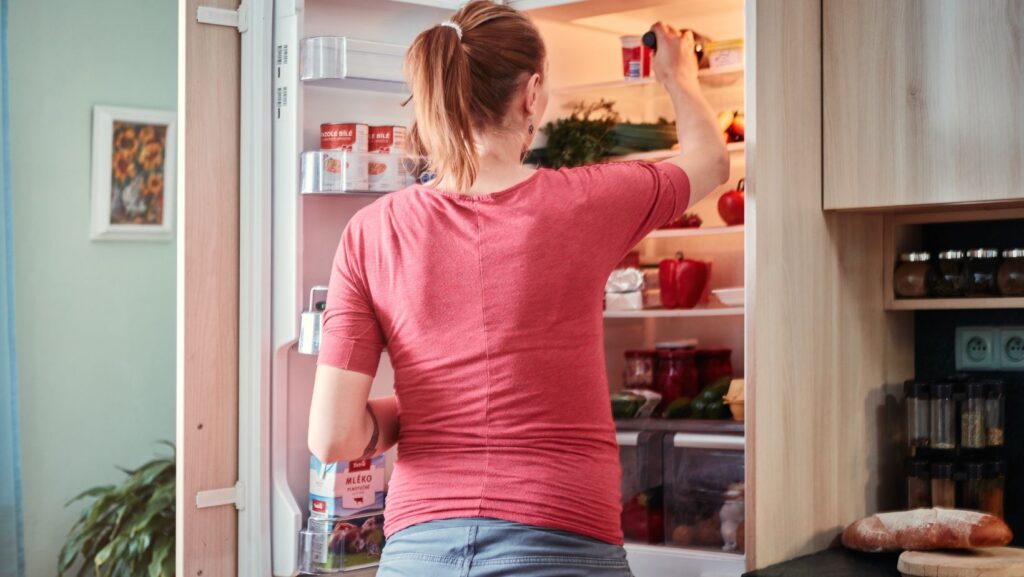
There’s nothing more frustrating than opening your fridge to find lettuce frozen solid or milk slushy. While it might seem like a simple appliance problem, a fridge that freezes food can sometimes point to bigger issues, especially when plumbing is involved. From water lines to ice makers, the way your home’s plumbing interacts with your fridge can directly impact its performance. In this guide, we’ll explore why your fridge might be freezing food, how plumbing issues can play a role, and practical home improvement solutions to keep your kitchen running smoothly.
Why Your Fridge is Freezing Food
If your fridge is constantly turning fresh produce into ice cubes, you’re not alone. Understanding the root cause can save you both time and money. Often, the most noticeable sign is unevenly frozen food or ice buildup in unexpected areas. One of the most common reasons why your fridge is freezing food is an improperly set thermostat. Many homeowners unknowingly set the temperature too low, thinking colder is better, when in reality it can harm perishable items.
Blocked vents and poor air circulation inside the fridge can also cause certain areas to freeze while others remain at normal temperatures. Modern refrigerators rely on a balanced airflow to maintain consistent cooling, so a minor obstruction can create freezing spots. Additionally, malfunctioning temperature sensors or internal control boards can trigger excessive cooling, leaving your food frozen despite the correct settings.
Ignoring these issues can affect not only your groceries but also the efficiency of your appliance. Frozen milk, wilted vegetables, or frosty leftovers can quickly turn a minor inconvenience into a daily headache.
The Plumbing Connection to Fridge Performance
Many homeowners don’t realize how closely plumbing is linked to fridge performance, especially if your appliance has an ice maker or water dispenser. Water lines that supply your fridge need consistent pressure and temperature to function correctly. Low water pressure can lead to inconsistent ice production, while leaks or kinks in supply lines may cause your ice maker to underperform.
Frozen water lines behind or beneath the fridge are another common problem, particularly in homes with cold basements or garages. When pipes freeze, they can restrict water flow to the fridge, cause leaks, or even damage the appliance’s internal components. Ensuring proper insulation and monitoring pipe temperature during the winter months can prevent these plumbing-related fridge issues.
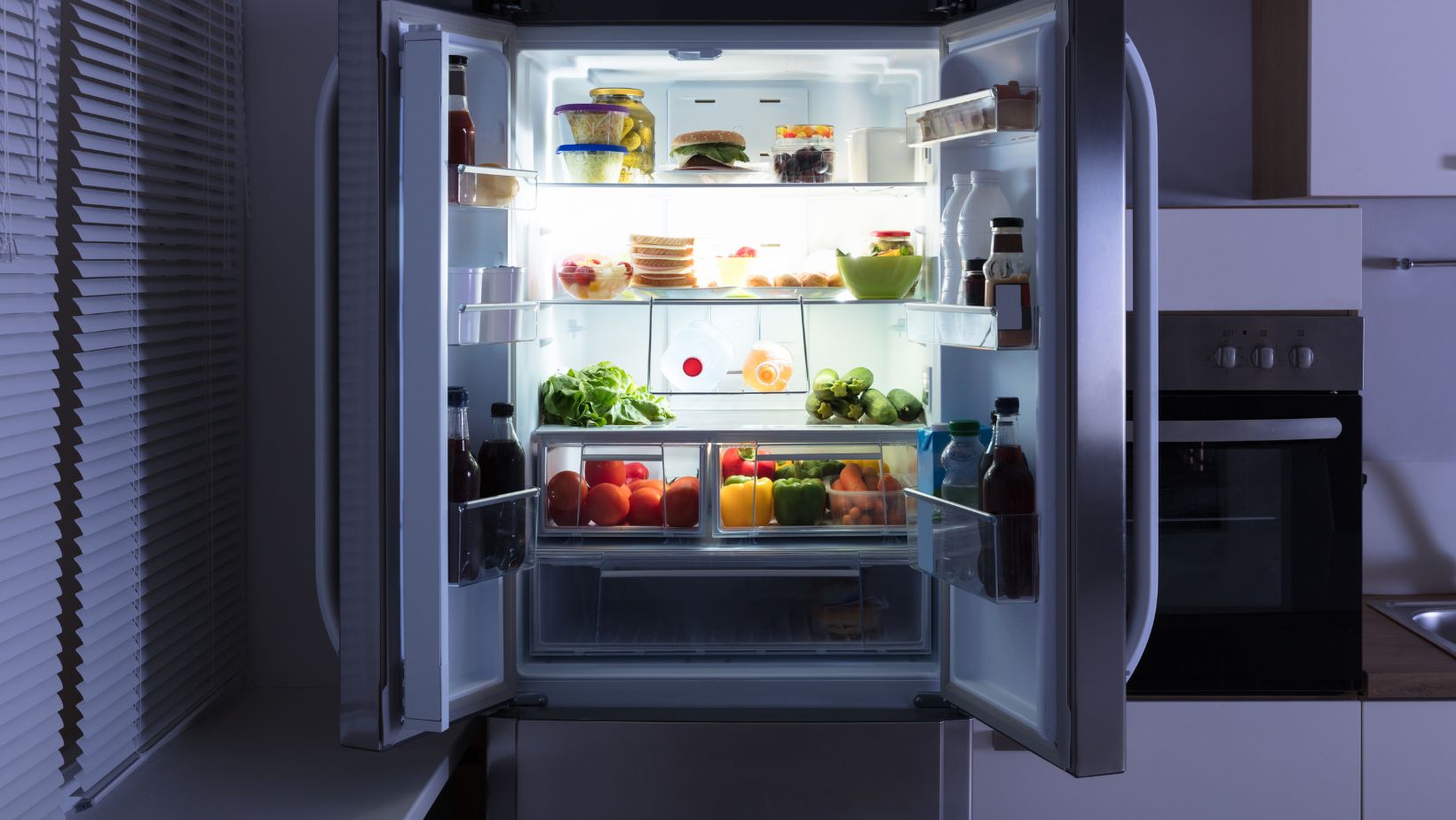
Regularly checking the connections between your fridge and water supply can make a huge difference. A small leak or loose fitting may seem insignificant, but it can impact your appliance’s ability to maintain the right temperature, ultimately contributing to uneven freezing or ice buildup.
DIY Fixes and Home Improvement Solutions
Fortunately, many fridge and plumbing issues can be addressed without immediately calling a professional. Here are some practical steps homeowners can take:
Fridge Troubleshooting Tips
- Adjust thermostat settings: Ensure your fridge is set to 37–40°F and the freezer to 0°F for optimal food preservation.
- Check airflow: Avoid overloading shelves or blocking vents, as proper circulation is key to maintaining consistent temperatures.
- Clean coils and vents: Dust and debris on condenser coils reduce efficiency, forcing the fridge to overcompensate and overcool.
Plumbing Fixes to Support Your Fridge
- Inspect water supply lines: Look for leaks, kinks, or loose connections that could disrupt water flow to ice makers and dispensers.
- Insulate pipes: Especially in unheated areas, pipe insulation can prevent frozen water lines and maintain a consistent water supply.
- Maintain proper water pressure: Ensure your home’s plumbing system provides sufficient pressure for your fridge to operate efficiently.
When to Call a Professional
Sometimes, despite your best efforts, issues persist. Persistent temperature fluctuations, continuous ice buildup, or visible water leaks are signs it’s time to call in experts. Professionals can diagnose more complex problems such as faulty thermostats, damaged water lines, or malfunctioning internal components.
Preventative Maintenance for Long-Term Appliance Health
Maintaining both your fridge and home plumbing can save you money and prevent food spoilage. Schedule regular inspections of your appliance and water lines to catch problems early. Clean fridge coils every few months and ensure vents remain unobstructed. For water lines, check for leaks and proper insulation seasonally, especially during winter months when freezing is more likely.
If you need expert plumbing assistance, Plumbing Services in Winnipeg, MB | Mr. Rooter Plumbing Services offers professional inspections and maintenance to keep your water lines and appliances in top condition.
Investing in preventative maintenance not only prolongs the life of your appliances but also reduces energy bills and keeps your food fresh. Combining simple DIY fixes with professional support creates a comprehensive approach to home improvement that pays off in the long run.
Conclusion
A fridge that freezes food is more than just an annoying inconvenience it can be a signal that either your appliance or your home plumbing needs attention. From thermostat adjustments and cleaning coils to checking water lines and preventing frozen pipes, a proactive approach can solve most issues. By combining appliance care with home plumbing maintenance, you ensure that your fridge maintains consistent temperatures, your ice maker works reliably, and your food stays fresh.
Keeping up with home improvement tasks and preventative maintenance can save time, money, and stress. So, if your fridge is misbehaving or you suspect plumbing problems, take action today. A little care now prevents frozen vegetables, spoiled milk, and costly repairs in the future.
More Stories
Appliance Repair vs. Replacement Before Listing Your Atlanta Home
How to protect expensive equipment from everyday theft risks
The Most Reliable Companies in Industrial Drainage Channels