
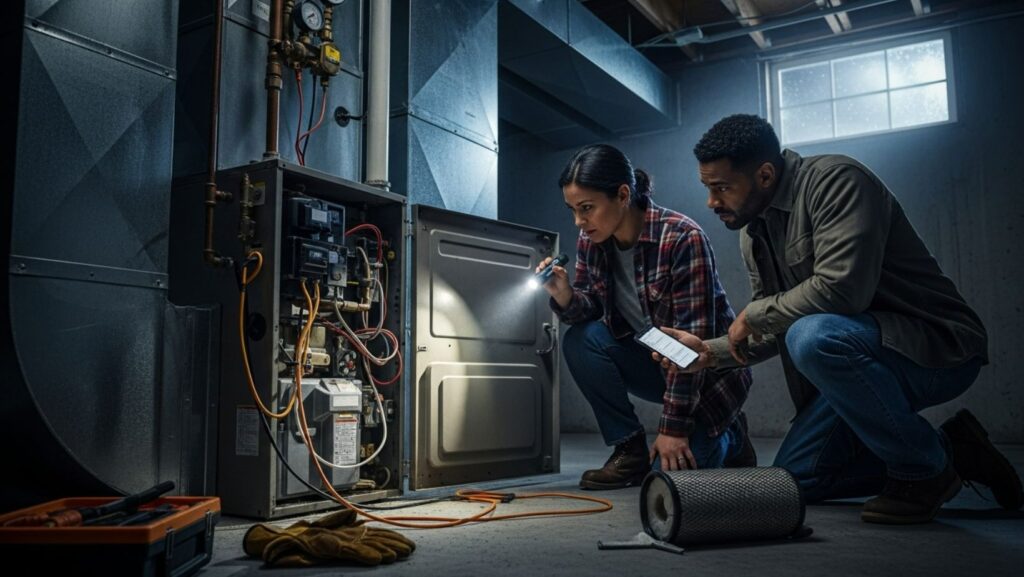
There is a unique, sinking feeling that washes over a homeowner when, in the middle of a blizzard, the familiar hum of the furnace suddenly stops. The house goes quiet, the air begins to chill, and a wave of stress and worry sets in. While some furnace failures absolutely require a trained professional, many of the most common issues can be diagnosed and fixed with a few safe, simple checks. This guide provides a calm, methodical checklist to work through, potentially saving you from a costly and unnecessary emergency call and restoring heat to your home quickly. During a major cold snap, HVAC companies are often swamped with calls, making a successful DIY fix even more valuable, as you could otherwise be left waiting in the cold for hours or even days.
Before You Panic: A Homeowner’s First-Response Furnace Checklist
Before you pick up the phone to call for help, running through a few initial diagnostic steps inside your home can often resolve the problem. This first-response checklist covers the safest and most common culprits of a furnace shutdown, emphasizing a safety-first mindset before you touch any equipment. These are the issues that technicians see time and again, and they often don’t require any specialized tools to fix.
Prioritize Safety Above All Else
It is crucial to understand that furnaces are complex appliances that combine fuel, flame, and high-voltage electricity. Attempting to perform advanced repairs without proper training can be extremely dangerous. According to the Red Cross, heating equipment is the second leading cause of all residential building fires, underscoring the need for caution. Furthermore, a malfunctioning furnace can create a risk of carbon monoxide poisoning, an invisible, odorless gas that is responsible for over 100,000 emergency department visits in the U.S. each year. If you smell gas (often described as rotten eggs or sulfur), leave your home immediately and call your gas utility’s emergency line from a safe distance. Do not operate any light switches, phones, or electrical devices, and do not attempt to relight the pilot light yourself.
The Five-Minute Furnace Fix Checklist
The following steps address the most frequent and easily resolved causes of furnace failure. Working through this list systematically can often restore your heat in minutes, saving you time, money, and discomfort.
- Check the Thermostat: The thermostat acts as the brain of your heating system, and a simple malfunction here can shut everything down. A very common issue is simply dead batteries, which can cause the thermostat’s screen to go blank or prevent it from sending the call for heat signal to the furnace, a common issue when cold snaps strain heating systems. Before doing anything else, open the thermostat cover and replace the batteries with a fresh set.
- Inspect the Air Filter: A severely clogged air filter is one of the most common problems HVAC technicians encounter, especially during periods of heavy use in winter. A dirty filter restricts airflow, which can cause the furnace to work too hard, overheat, and trigger an automatic shutdown as a safety measure. Locate the filter compartment on your furnace or in a return air vent, slide the old filter out, and replace it if it appears dirty or clogged.
- Reset the Circuit Breaker: Your furnace is connected to a dedicated circuit in your home’s main electrical panel. This circuit may have tripped, cutting power to the unit. Find your breaker box and look for the switch labeled Furnace, HVAC, or Air Handler. If the switch is in the middle or off position, flip it completely off and then firmly back to the on position once.
- Confirm the Furnace Switch is On: Many furnaces have a separate power switch, which often looks like a standard light switch, located on or near the unit itself. This switch can sometimes be accidentally turned off, especially if it’s in a high-traffic area like a basement or utility closet. Ensure this switch is in the on position.
- Ensure the Gas Valve is Open: For homeowners with gas furnaces, there is a manual shut-off valve on the gas line that leads into the unit. The handle on this valve is in the open position when it is parallel (in line) with the gas pipe. If the handle is perpendicular to the pipe, it is closed and needs to be turned to restore the fuel supply.
How the Winter Storm Itself Can Stop Your Furnace
Sometimes the problem isn’t inside your home but right outside your window. Severe winter weather, with its heavy snow and ice, can create external blockages and put an immense strain on your heating system, leading to failures that are directly related to the storm itself.
Clear Snow and Ice from Vents and Pipes
Modern high-efficiency furnaces do not use a traditional chimney; instead, they use white PVC pipes that exit through the side of the house for air intake and exhaust. During a blizzard with blowing and drifting snow, these vents can become buried or blocked. If the furnace cannot draw in fresh air for combustion or expel exhaust fumes, its safety sensors will shut the system down to prevent a dangerous buildup of carbon monoxide. This is a primary cause for service calls during and after a major snowstorm. Safely locate these pipes on the exterior of your home and gently clear away any accumulated snow or ice to ensure they are unobstructed.
Understanding Common Furnace Failures in Extreme Cold
Frigid, sub-zero temperatures put an enormous strain on all mechanical systems, and your furnace is no exception. This is particularly true for older units, which are more likely to fail during extreme cold events. The frigid temperatures often push components that are already wearing out, such as blower motors or heat exchangers, past their breaking point, causing a sudden failure when you need your heat the most. Use the table below to help differentiate between a simple fix and a more serious problem.
| Symptom | Potential Cause | Recommended Action |
| Thermostat screen is blank | Dead batteries or tripped breaker | DIY Fix: Replace batteries and check the circuit breaker. |
| Furnace won’t turn on | Clogged filter or blocked exterior vent | DIY Fix: Replace the filter and safely clear snow from vents. |
| Loud banging or scraping noises | Blower motor or internal component failure | Call a Pro: Turn the system off to prevent further damage. |
| Rotten egg/sulfur smell | Natural gas leak | EMERGENCY: Evacuate immediately and call your gas company. |
| Furnace cycles on and off rapidly | Faulty flame sensor or airflow issue | Call a Pro: This often requires a technician to diagnose and repair. |
When DIY Isn’t Enough: Calling for Professional Backup
While performing basic troubleshooting can often solve the problem, it is equally important to recognize when an issue is beyond your ability to fix safely. Pushing beyond your limits can turn a repairable problem into a dangerous situation or a much more expensive breakdown.
Telltale Signs You Need an Expert Immediately
After you have worked through the DIY checklist, if your furnace still isn’t running or is exhibiting concerning symptoms, it is time to call a professional. Several warning signs should never be ignored and demand immediate expert attention. These include the distinct smell of gas, loud and unusual mechanical noises like grinding, squealing, or banging, any sign of water pooling around the base of the furnace, or if the unit is running continuously but only blowing cool or cold air. These symptoms point to more complex internal failures that require a certified technician to diagnose and repair safely.
The Value of a Trusted 24/7 HVAC Partner in Kansas City
When your heat is out during a winter storm, the situation can quickly become dangerous for your family and your home’s plumbing. This stress is often compounded by the higher cost of emergency furnace repairs during a cold snap. For homeowners in the Kansas City metro, this is where a reliable partner becomes invaluable. A-1 HVAC, a family-owned business, understands the urgency when winter weather strikes.

Their team of certified technicians is prepared for rapid-response emergency service, providing peace of mind when you need it most. They have the expertise to quickly diagnose and fix the complex issues—from a faulty ignition control to a failing blower motor—that go far beyond a simple filter change, ensuring your family’s comfort and safety are restored.
How Preventive Maintenance Prevents Winter Emergencies
A significant number of emergency service calls are for problems that could have been prevented with routine care. As HVAC experts across the country advise, regular maintenance is the single best way to ensure your system can handle the strain of extreme cold. An annual tune-up can identify and fix worn-out parts before they fail on the coldest night of the year, preventing inconvenient and expensive breakdowns. Proactive maintenance, like the tune-up services offered by A-1 HVAC, is a crucial part of homeownership. This same principle applies to other areas of your home; for instance, regular upkeep can also help you keep drains and gutters clear when leaves pile up fast, preventing costly water damage.
Restoring Warmth and Gaining Peace of Mind
Being faced with a broken furnace in the middle of a winter storm doesn’t have to result in immediate panic. By methodically following a safe and logical troubleshooting checklist, you can often identify and resolve simple issues yourself, restoring warmth and comfort to your home without the wait or expense of an emergency call. The most critical point to remember throughout this process is to always prioritize safety above all else. Understanding these basic steps—and knowing who to call when the problem is beyond your scope—is the best way to ensure your home remains a warm, safe sanctuary all winter long.
More Stories
Online Teen Patti Strategies for Smarter and More Responsible Play
10 Outdoor Renovation Tips for a More Relaxing Home
Design Your Kitchen with AI: Turn Your Ideas into Reality