
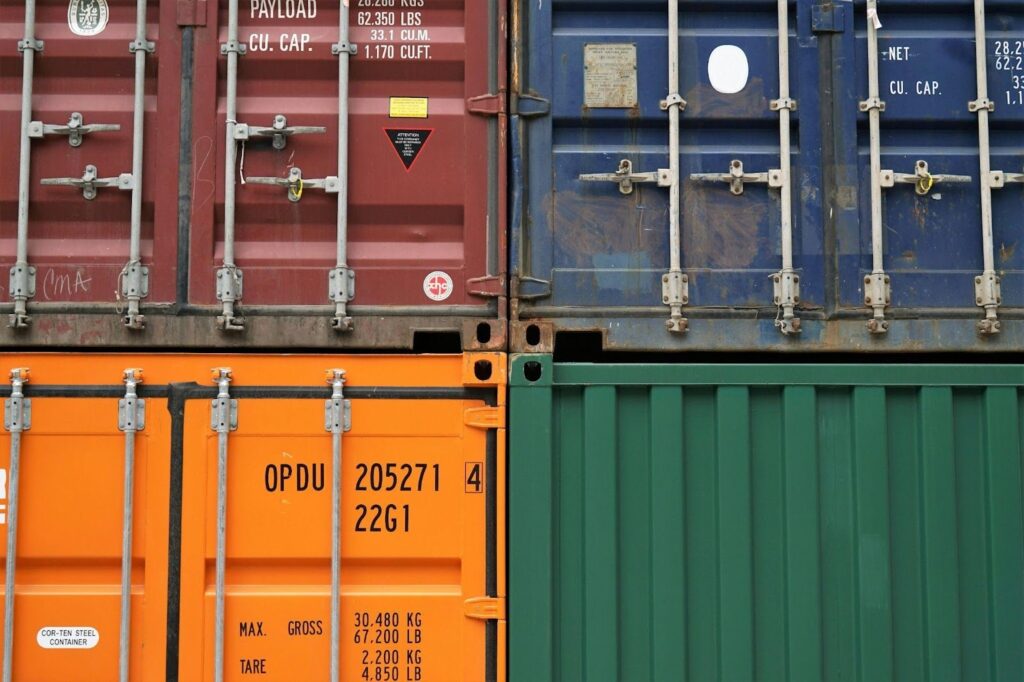
Buying a shipping container often appears straightforward until condition labels and grades start appearing in listings. Understanding what each grade represents allows buyers to avoid overspending or choosing a container that fails to meet practical requirements.
Container grades are standardized descriptions used across shipping lines, leasing companies, and resale markets. They indicate previous use, structural condition, and expected performance. For buyers searching for shipping containers for sale in Jersey City, NJ, at Pelican Containers, knowing how grades work helps align purchase decisions with real operational needs rather than assumptions.
Container Grades
Container grades exist to manage risk and ensure safety in global logistics. Shipping lines need fast, reliable ways to determine whether a container can handle stacking loads, rough handling, and exposure to marine environments. Grades simplify inspections and help prevent cargo damage during transport.
When containers leave active shipping service, these same grading systems transition into the resale market. Buyers rely on them to estimate remaining lifespan, repair history, and weather resistance. Grades therefore function as performance benchmarks rather than aesthetic ratings, focusing on structural and functional conditions.
One-Trip Containers
One-trip containers have completed a single international voyage from the manufacturer to the destination country. They are typically produced overseas and shipped while carrying cargo, after which they are sold into the secondary market. Their limited exposure results in minimal wear.
These containers usually feature straight panels, intact flooring, and properly aligned doors. Surface marks are minor and typically caused by handling equipment rather than prolonged use. Paint systems and corrosion protection remain largely intact.
Common buyer uses include:
- Long-term storage where reliability and appearance both matter
- Structural modifications such as offices, clinics, or retail units
- Projects requiring extended service life with minimal maintenance.
Because of their condition, one-trip containers carry a premium price. Buyers pay more upfront but often save on repairs, repainting, and structural reinforcement over time.
Cargo-Worthy Containers
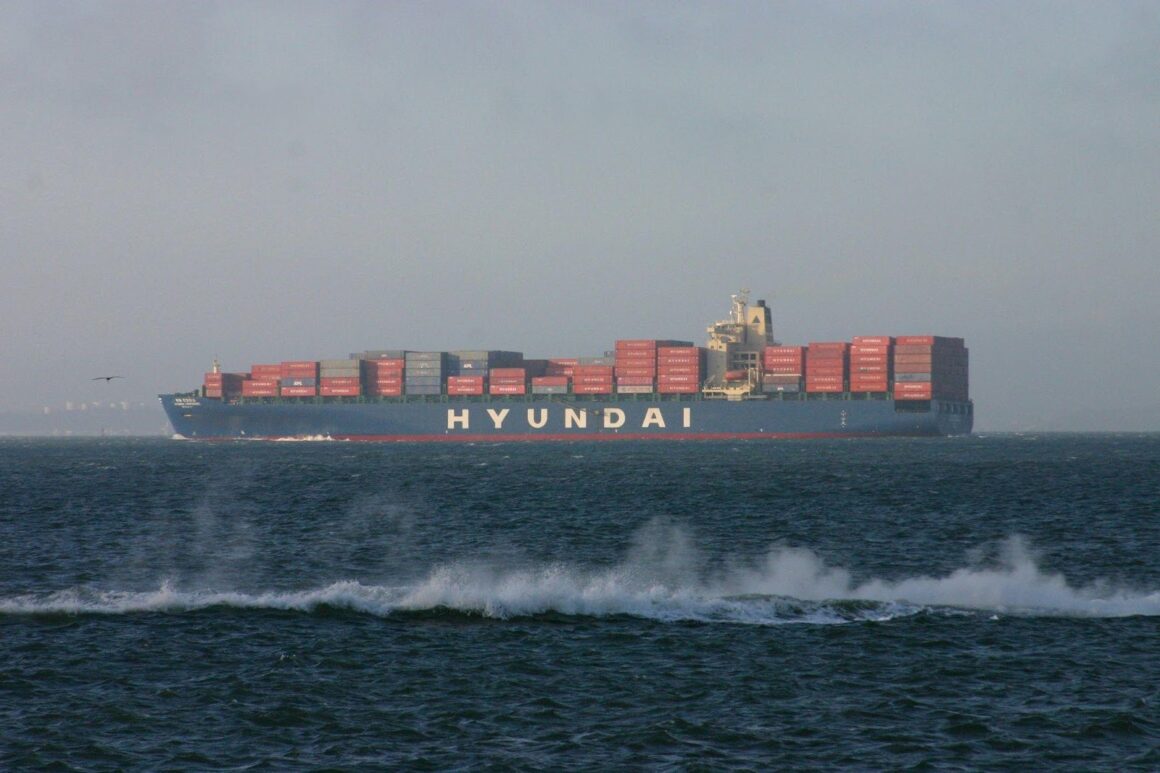
Cargo-worthy containers meet international shipping standards and are certified for active transport. They carry valid CSC plates and have passed inspections confirming they are structurally safe and weather-resistant. This grade reflects function rather than visual appeal.
These containers show clear signs of use. Dents, abrasions, and surface rust are common, particularly along sidewalls and door frames. Repairs may be visible but must fall within ISO tolerances to maintain certification.
Typical characteristics include:
- Structurally sound frames capable of stacking and lifting
- Operational doors with intact seals and locking bars
- Repaired areas that comply with shipping regulations.
Cargo-worthy containers offer a balance between cost and reliability. They are well-suited for buyers who need transport-ready units or robust storage without the expense of near-new equipment.
Wind- and Watertight Containers
Wind- and watertight containers are no longer certified for international shipping but remain effective at protecting contents from weather exposure. This grade focuses on enclosure performance rather than transport eligibility.
These units may have expired CSC plates, older repairs, or cosmetic damage that disqualifies them from shipping use. Despite this, roofs, walls, and doors still prevent water intrusion under normal conditions.
Key points buyers should understand:
- Enclosures protect contents from rain, wind, and debris.
- Doors function securely even if alignment is slightly imperfect.
- Repairs may be non-certified but remain effective for static use.
Wind- and watertight containers are commonly used for construction storage, agricultural operations, and industrial yards. They provide strong value when mobility and shipping compliance are not required.
As-Is and Storage Grade Containers
As-is containers represent the lowest resale tier and are sold without condition guarantees beyond basic availability. Damage levels vary widely, making inspection especially important before purchase.
These containers may have worn floors, misaligned doors, corrosion, or extensive patchwork repairs. Some units remain usable with minor work, while others require significant refurbishment to meet safety or usability standards.
Buyers often choose this grade for:
- Short-term storage where appearance and longevity are secondary
- Projects involving full refurbishment or structural modification
- Situations where minimizing upfront cost is the main priority.
As-is containers can deliver value in the right context. However, buyers must account for repair costs, reduced lifespan, and potential usability limitations when selecting this grade.
How Grades Affect Pricing
Pricing differences between grades reflect risk, remaining service life, and predictability. One-trip containers cost more because their condition is consistent and maintenance needs are minimal. Lower grades reduce purchase price but increase uncertainty.
Transportation and placement costs can also be affected. Containers with compromised frames or doors may require specialized handling or additional preparation before delivery. Buyers should evaluate total ownership cost rather than focusing solely on the initial price.
Matching Grades to Buyer Needs
Selecting the correct container grade begins with defining the intended use. Storage duration, exposure to weather, and load requirements all influence which grade delivers the best value. Buying a higher grade than necessary ties up capital, while choosing too low a grade can create operational problems.
Buyers should consider factors such as climate conditions, modification plans, and local regulations. A container intended for conversion into a workspace demands higher structural integrity than one used for temporary material storage.
Inspection and Documentation
Grades provide a general framework, yet individual container condition still varies. Visual inspection and supporting documentation remain essential steps in the purchasing process. Buyers should request photos of the exact unit or arrange on-site inspections when possible.
Critical inspection points include roof condition, floor integrity, door operation, and corner post alignment. Documentation such as CSC plates, repair records, or inspection reports adds transparency and reduces uncertainty, especially for higher-grade purchases.
Making a Practical Purchase Choice
Container grades help buyers compare options objectively across suppliers. They reduce confusion and align expectations by focusing on performance and condition. The understanding of these classifications enables buyers to make decisions based on function rather than surface appearance.
Choosing the right grade means paying for capability that matches the project scope. With clear requirements, careful inspection, and grade awareness, buyers can secure containers that provide dependable service and value over time.
More Stories
Mistakes That Turn a Cross-Country Move Into a Nightmare
Helpful Insights Before You Try Your First Slot Game
5 Key Advantages of Steel Buildings for Commercial Office Spaces