
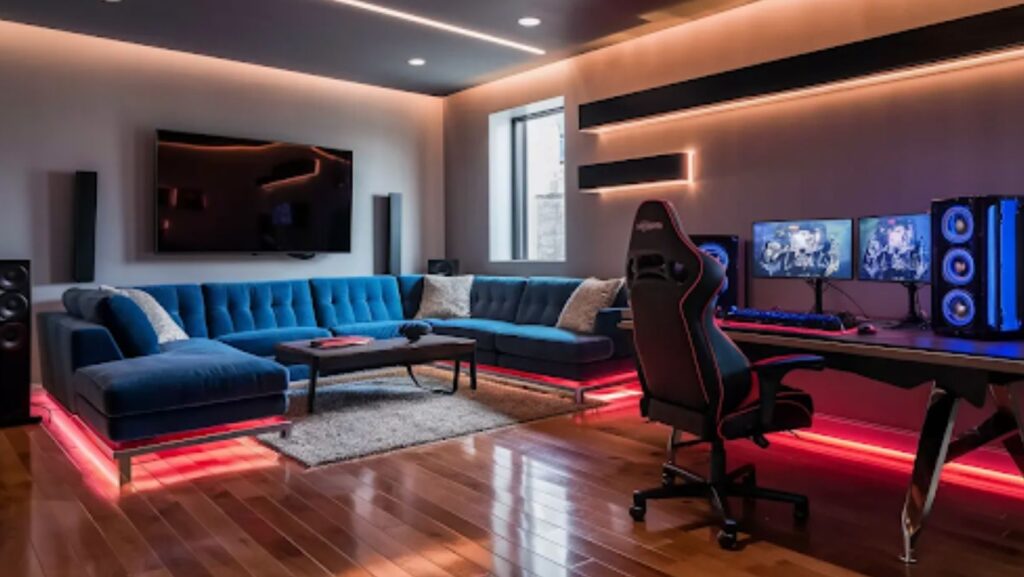
Modern homes are no longer designed solely as places for rest and everyday routines. With the rapid growth of digital entertainment, video games, streaming platforms, and interactive media, living spaces are evolving to support more dynamic and technology-driven lifestyles. Gaming has shifted from a niche hobby into a mainstream form of entertainment that often requires specialized equipment, prolonged engagement, and focused environments. As a result, homeowners increasingly seek to integrate dedicated gaming and entertainment areas into their interiors without sacrificing comfort or visual harmony. A well-designed gaming space blends advanced technology, ergonomic principles, and modern aesthetics, ensuring both functional efficiency and long-term comfort.
The Role of Gaming and Entertainment in Modern Home Design
The rising popularity of gaming, esports, and live streaming has transformed entertainment into a central lifestyle component rather than a secondary leisure activity. Modern home design increasingly treats gaming rooms, media lounges, and hybrid entertainment spaces as essential parts of the living environment. These areas are expected to accommodate extended usage, powerful hardware, and high-quality audio and visual systems. As digital entertainment becomes more immersive, the demand for spaces that support focus, comfort, and performance continues to grow.
Designing effective gaming and entertainment spaces requires a deep understanding of how users interact with technology on a daily basis. Factors such as lighting conditions, seating ergonomics, and spatial layout have a direct impact on both physical well-being and in-game performance. For instance, a thoughtfully planned gaming corner within a living room can coexist with a minimalist interior while still supporting professional-level setups. Strategic furniture placement and subtle zoning techniques help maintain visual balance while allowing the space to serve multiple functions.
As competitive gaming becomes more accessible, players pay closer attention to performance-related details that extend beyond hardware alone. Monitor height, desk depth, peripheral alignment, and seating posture all influence precision and reaction time. Software-based settings also play a critical role, as consistency across devices and environments is essential for muscle memory. This is why many players rely on tools like the cs2 sens converter to maintain identical sensitivity values when switching setups, ensuring that physical space adjustments do not negatively affect gameplay performance. This approach helps preserve muscle memory and ensures consistent aiming accuracy even when hardware, desk dimensions, or room conditions change.
Zoning and Layout Planning for Dedicated Spaces
Effective zoning is the foundation of any successful gaming and entertainment area. Whether the setup occupies a dedicated room or is integrated into an open-plan living space, the zone should feel clearly defined and purposeful. Visual separation can be achieved through furniture arrangement, contrasting wall finishes, shelving systems, or layered lighting solutions. These techniques help distinguish the gaming area without the need for permanent structural changes.
In smaller apartments or shared living spaces, multifunctional layouts are particularly valuable. A single desk can function as both a workstation during the day and a gaming station in the evening, while modular furniture allows for quick reconfiguration based on current needs. Foldable desks, movable monitor arms, and compact storage solutions maximize usability without overcrowding the room. In larger homes, a dedicated gaming room offers greater freedom for implementing soundproofing measures, advanced cable management, and custom lighting installations.
Traffic flow and noise control are equally important considerations in layout planning. Gaming and entertainment areas should not interfere with quiet zones such as bedrooms or study rooms. Strategic placement of doors, partitions, and acoustic elements helps contain sound and minimize distractions. Proper zoning ensures that immersive entertainment coexists harmoniously with everyday household activities.
Technology, Ergonomics, and Performance Considerations
High-performance technology forms the backbone of any modern gaming and entertainment space. This includes powerful gaming PCs or consoles, high-refresh-rate monitors, immersive audio systems, and stable high-speed internet connections. However, even the most advanced technology can fall short if it is not supported by proper ergonomic planning. Comfort and health are critical for users who spend long hours in front of screens.
Ergonomic furniture significantly reduces physical strain during extended gaming sessions. Adjustable chairs with lumbar support, desks with customizable height ranges, and flexible monitor mounts help maintain proper posture and reduce the risk of long-term injuries. Well-organized cable management systems and concealed power outlets not only improve safety but also contribute to a cleaner, more professional-looking environment.
Performance-focused gamers often design their spaces around precision and consistency. Mouse placement, keyboard alignment, screen distance, and seating position all influence accuracy and control. These physical factors work in close connection with in-game settings, highlighting the importance of synchronizing digital preferences with the physical environment. A carefully optimized setup enhances both comfort and competitive performance.
Acoustics, Lighting, and Atmosphere
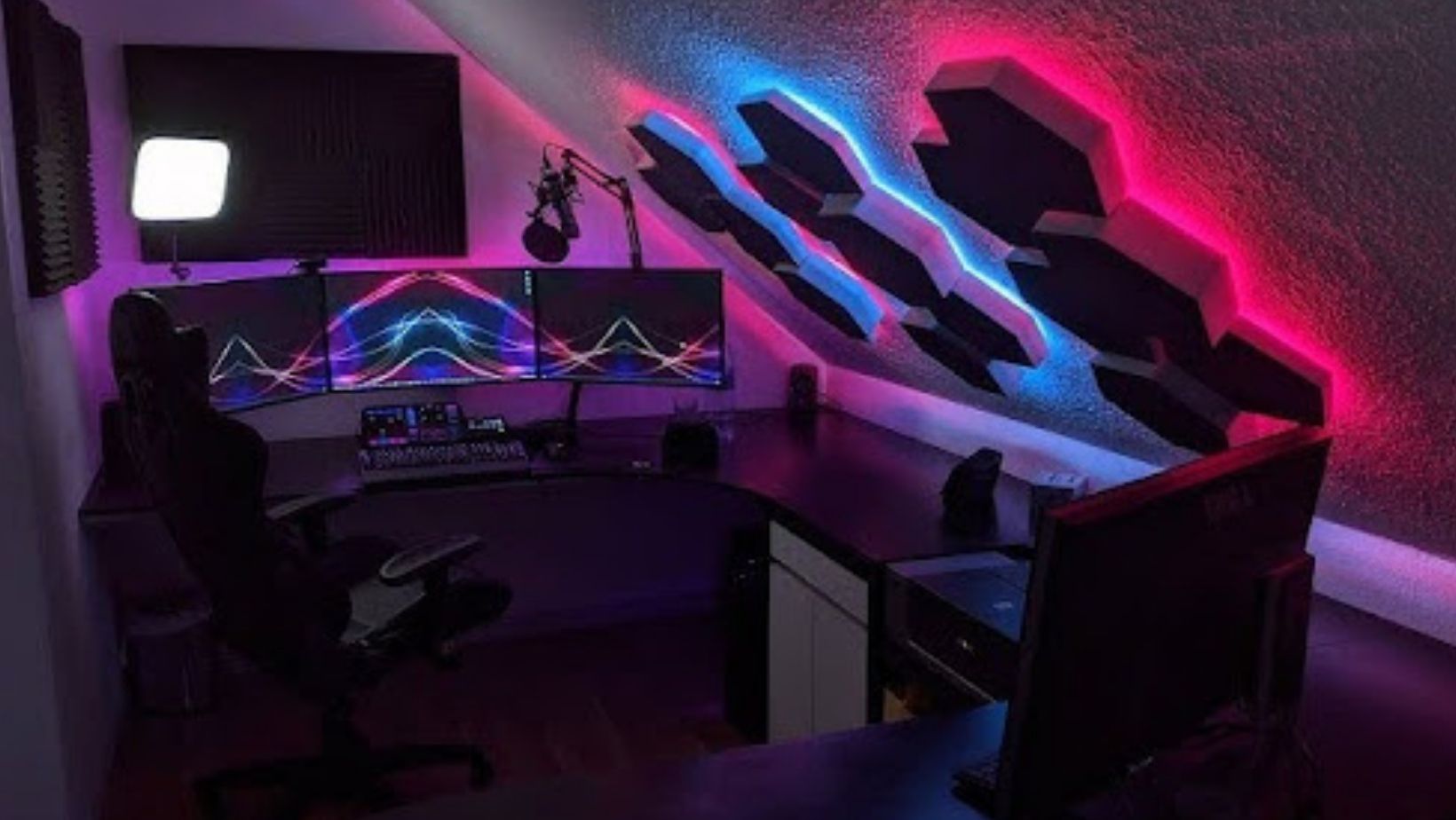
Sound and lighting play a decisive role in shaping the overall gaming and entertainment experience. Poor acoustics can result in echo, distortion, and listening fatigue, particularly in compact or unfurnished rooms. The use of acoustic panels, rugs, curtains, and upholstered furniture helps absorb excess noise and improve sound clarity. These elements are especially important for immersive gaming, streaming, or cinematic experiences.
Lighting design should be layered and adaptable to different activities. Ambient lighting provides general illumination, task lighting supports focused gameplay, and accent lighting adds atmosphere and depth. RGB lighting has become popular in gaming environments, but it should be applied carefully to avoid visual overload and eye strain. Adjustable brightness and color temperature settings allow users to tailor lighting conditions to their preferences and time of day.
A balanced atmosphere supports both immersion and relaxation. Neutral wall colors combined with subtle LED accents create a modern aesthetic that enhances focus without overwhelming the senses. Thoughtful lighting and acoustic solutions transform gaming spaces into comfortable environments suitable for extended use.
Integrating Entertainment Spaces into Overall Interior Style
One of the main challenges in modern home design is ensuring that gaming and entertainment areas blend seamlessly with the rest of the interior. Contemporary design trends emphasize clean lines, hidden storage, and minimal visual clutter. Custom-built cabinets, integrated shelving, and concealed compartments allow gaming equipment to be stored neatly when not in use, preserving the overall aesthetic of the home.
Entertainment spaces also offer opportunities for personal expression. Artwork, themed decor, and customized lighting profiles allow homeowners to reflect their interests while maintaining design cohesion. The key is to balance individuality with consistency, ensuring that the gaming area feels like an intentional part of the home rather than an isolated addition.
Smart home technologies further enhance integration and convenience. Voice-controlled lighting, automated blinds, climate control, and centralized media systems create a unified environment where entertainment spaces interact seamlessly with the rest of the house. These solutions improve usability while reinforcing a modern, technology-driven lifestyle.
Conclusion
Designing a modern home with dedicated gaming and entertainment spaces requires a careful balance between advanced technology, ergonomic comfort, and cohesive aesthetics. Thoughtful zoning, well-planned layouts, and attention to acoustics and lighting elevate gaming from a simple pastime to a refined living experience. By aligning physical design with performance requirements and overall interior harmony, homeowners can create environments that support immersive entertainment without compromising daily comfort. Ultimately, a well-executed gaming space enhances not only gameplay but also the functionality and quality of the modern home as a whole.
More Stories
Which Online Casinos in the UK Offer Free Spins on Slots
The Role of Attic Inspections After Heavy Storms or Hail
Burnt Orange Carnations: Tips to Choose and Care for Them