
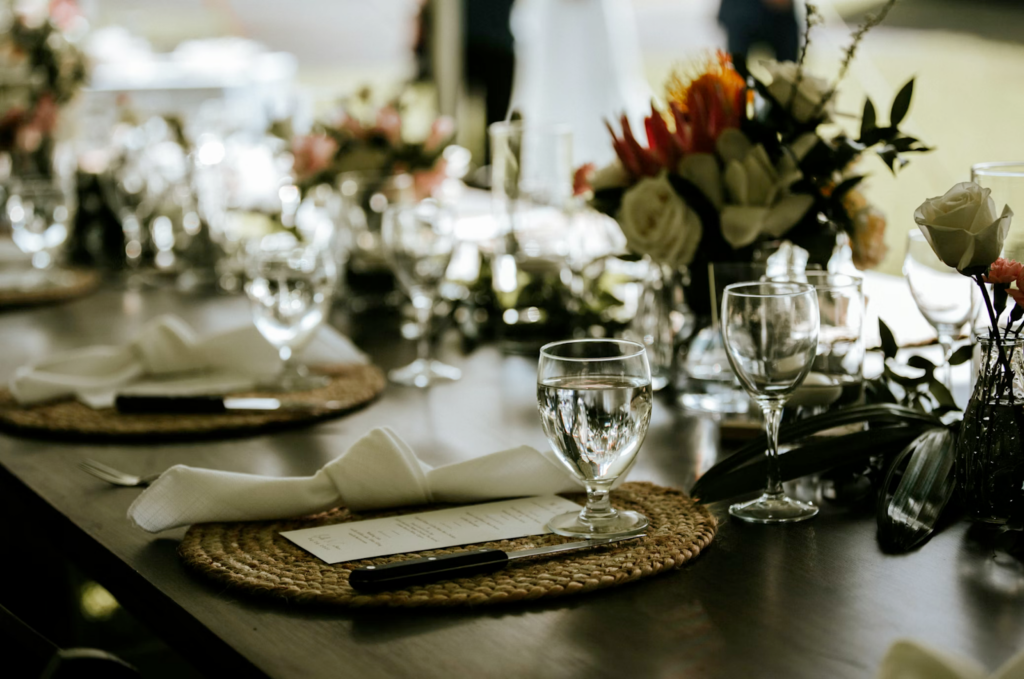
The centerpiece sits at the heart of every table, literally and figuratively. Whether you’re hosting an intimate dinner party, planning a wedding reception, or simply want to elevate your everyday dining experience, flower centerpieces transform tables from functional surfaces into beautiful focal points that bring people together. A well-designed centerpiece doesn’t just decorate – it sets the mood, sparks conversation, and creates memorable moments.
The beauty of flower centerpieces lies in their versatility. They can be as simple as a single bloom in a vintage bottle or as elaborate as a cascading garden-style arrangement with dozens of varieties. They adapt to any season, style, or budget while maintaining their power to enhance gatherings.
Vases for Centerpieces – The Foundation of Your Design
Before you even think about flowers, you need to consider the container. Vases for centerpieces aren’t just holders – they’re integral design elements that dramatically affect the final result. The right vessel enhances your flowers while the wrong one undermines even the most beautiful blooms.
Height is the primary consideration when selecting vases for centerpieces. For dining tables where conversation across the table matters, keep centerpieces at or below 12 inches tall, or go dramatically tall (24+ inches) with arrangements that sit high enough to see beneath. The awkward middle range blocks sightlines and creates barriers between guests.
Shape affects both aesthetics and practical arrangement. Cylinder vases offer clean, modern lines and work beautifully for both minimalist single-stem displays and fuller arrangements. Bowl-shaped vessels create flowing, garden-style arrangements where flowers can cascade naturally. Narrow-necked vases provide built-in support for stems, perfect for beginners.
Material choices communicate different aesthetics. Clear glass maintains an airy, unobtrusive quality that works with any décor style. Ceramic vases in white, cream, or muted tones add substance without competing with flowers. Metallic vessels – brass, copper, or silver – bring elegance and vintage charm.
Consider these strategic approaches to vases for centerpieces:
- Mix heights for visual interest: Rather than identical vases down a long table, vary heights by using three different vessel sizes. This creates a dynamic visual rhythm while maintaining cohesion through repeated elements.
- Unconventional containers: Think beyond traditional vases. Vintage pitchers, mason jars, tin cans wrapped in burlap, wooden boxes, or teacups can serve as charming, memorable vessels that add personality to your table.
- Consider the table itself: On wood farmhouse tables, rustic containers feel natural. On glass or marble surfaces, sleek modern vessels complement the aesthetic. Match your container material and style to the table.
Simple Flower Centerpieces – Elegance in Minimalism
Simple flower centerpieces prove that less truly can be more. These pared-down arrangements eliminate excess, focusing attention on the inherent beauty of each element. Minimalism doesn’t mean boring – it means intentional, refined, and surprisingly impactful.

The single-stem approach represents ultimate simplicity. One perfect rose, peony, or dahlia in a small vase creates an elegant statement. This works especially well repeated down long tables – individual bud vases at each place setting or every few seats creates continuity while keeping sightlines clear.
Monochromatic arrangements offer simple flower centerpieces with visual cohesion. Using one flower type in a single color creates sophisticated uniformity. All-white roses, all-pink tulips, or all-yellow sunflowers demonstrate restraint while delivering impact through repetition.
For those seeking quality blooms, fresh roses deliver reliable beauty and longevity in simple arrangements. Their classic form and wide color range make them versatile foundations for minimalist designs.
Here’s how to execute successfully:
- Let flowers be themselves: Don’t force elaborate shapes or unnatural positions. Simple arrangements work because flowers look natural, as if casually gathered and placed in water.
- Focus on quality over quantity: With minimal arrangements, each stem matters enormously. Invest in premium flowers at peak freshness rather than buying more lower-quality blooms.
- Use negative space intentionally: The empty space around sparse arrangements isn’t a mistake – it’s a feature. That breathing room focuses attention on the flowers.
Simple flower centerpieces excel at intimate dinners, modern weddings, or everyday home décor. They’re budget-friendly since they require fewer flowers, are easier to arrange for beginners, and never overwhelm the table.
Small Centerpieces – Perfect for Intimate Tables
Small centerpieces serve multiple practical purposes beyond aesthetics. They fit comfortably on modest tables without dominating the surface, leave room for serving dishes and dinnerware, maintain clear sightlines for conversation, and can be easily moved if needed.
Proportion matters enormously with small centerpieces. The arrangement should be appropriately sized for the table. Use the one-third rule: the centerpiece shouldn’t exceed one-third of the table’s width or length.
Compact flower choices work best in small arrangements. Instead of long-stemmed roses or tall lilies, opt for flowers with naturally shorter proportions. Spray roses, ranunculus, button mums, anemones, and sweet peas all create a beautiful small-scale impact.
Low profile maintains functionality. Small centerpieces should sit low enough that they don’t interfere with passing dishes or seeing across the table. Bowl-style arrangements or flowers cut to a total height of 6-8 inches work perfectly.
Consider these approaches:
- Clustered bud vases: Instead of one larger arrangement, group three to five small bud vases with single stems. This creates visual interest through repetition while maintaining a modest footprint.
- Teacup arrangements: Vintage teacups make charming vessels for petite centerpieces. Their delicate scale suits small flowers perfectly, and mismatched patterns add whimsical personality.
- Floating flowers: For truly minimal height, float flower heads in shallow bowls. Roses, gardenias, dahlias, or orchids floating in water create serene centerpieces that take up almost no vertical space.
Small centerpieces also excel in larger tablescapes. On long banquet tables, spacing small arrangements every few feet creates rhythm without the expense of massive focal pieces.
Modern Centerpieces – Architectural and Intentional
Modern centerpieces represent a departure from traditional, rounded, garden-style arrangements. These designs emphasize clean lines, intentional structure, negative space, and often unexpected elements. They feel curated rather than natural, architectural rather than organic.
Geometric vessels define many modern centerpieces. Cube vases, rectangular containers, or sculptural ceramic pieces provide a foundation for contemporary designs. These angular containers contrast beautifully with organic flowers, creating tension between artificial structure and natural form.
Monochromatic or limited color palettes characterize modern aesthetics. Rather than rainbow assortments, modern arrangements might feature all-white flowers with green foliage or single-color blooms in varying shades.
Asymmetry and negative space distinguish modern centerpieces from traditional symmetrical designs. Flowers might cluster on one side with dramatic space on the other. This breaking of traditional balance rules creates dynamic, eye-catching compositions.
Unusual materials and elements expand beyond traditional florals:
- Architectural branches: Incorporate curly willow, manzanita branches, or flowering branches. These structural elements add height and drama while maintaining a clean aesthetic.
- Tropical elements: Bold tropical flowers like anthuriums, bird of paradise, or protea bring sculptural forms and unexpected colors.
- Metallic accents: Spray-painted branches, gold-dipped leaves, or metallic wire woven through arrangements add contemporary shimmer.
Modern centerpieces work beautifully for contemporary weddings, corporate events, or homes with minimalist décor.
Winter Centerpieces – Embracing Seasonal Texture
Winter centerpieces present unique opportunities to work with dramatic seasonal elements beyond traditional flowers. While blooms certainly play a role, winter’s aesthetic strength lies in texture, evergreens, branches, and natural materials.
Evergreen foundations provide structure for winter centerpieces. Pine, fir, cedar, and spruce branches bring rich green color and wonderful fragrance. These can serve as bases for flower arrangements or stand alone with minimal additional decoration.
Consider these winter-specific elements for DIY table centerpieces:
- Pinecones and natural elements: Incorporate pinecones, seed pods, or acorns. Spray paint them white, silver, or gold for added sparkle, or leave them natural for rustic charm.
- White and silver palette: Embrace winter’s color story through all-white flowers, silver-painted elements, and white-washed branches. This monochromatic approach feels elegant and seasonally appropriate.
- Candles for warmth: Winter’s early darkness makes candlelight especially welcome. Incorporate pillar candles, votives, or tapers into winter centerpieces for an ambient glow.
- Faux snow and sparkle: Light dustings of artificial snow or scattered crystals add a magical winter atmosphere. Use restraint to avoid kitsch.
Winter centerpieces can incorporate cranberries, pomegranates, or other seasonal fruits for color and texture. These natural elements cost less than flowers while contributing rich reds and dimensional interest.
The beauty of DIY table centerpieces for winter lies in accessibility. Many materials can be foraged from your yard or nearby woods – branches, pinecones, and evergreen clippings. Combining these free elements with a few choice flowers or candles creates stunning results without significant expense.
Whether you’re creating simple flower centerpieces for everyday meals, small centerpieces for intimate gatherings, modern centerpieces for contemporary spaces, or winter centerpieces for seasonal celebrations, the principles remain consistent: consider your vessels carefully, design with intention, embrace your chosen aesthetic fully, and remember that centerpieces succeed when they enhance rather than dominate the table.
More Stories
Mistakes That Turn a Cross-Country Move Into a Nightmare
Helpful Insights Before You Try Your First Slot Game
5 Key Advantages of Steel Buildings for Commercial Office Spaces