

Owning a home is a big win and comes with a to-do list. The key is building small habits that prevent small problems from becoming big repairs. Use these practical tips to keep your place safe, efficient, and ready for every season.
Build a Seasonal Rhythm and Know When to DIY vs. Professional
Start with a recurring plan you can actually keep. Break your year into spring, summer, fall, and winter tasks, and put reminders on your calendar so nothing slips. Keep the plan light and repeatable so it becomes second nature. If a task feels unclear, read a short how-to and add it to your list mid-week.
DIY is great for cleaning, caulking, and small fixes. But structural work, electrical panels, gas lines, and complex roofing jobs call for licensed pros. For roofing, look for the right pro who knows how to handle roof damage and repairs and, in most serious cases, replacements. Industry figures show how big the roofing trade is, with an AMA Research estimate placing the UK roofing market at nearly £5.2 billion in 2024.
Roof Care 101
Your roof shields everything under it, so give it regular attention. From the ground, scan for missing shingles, sagging areas, or dark streaks after heavy weather. About 31% of homeowners have taken on roof work in the last few years, which shows how common upkeep is. Routine checks help you catch issues early instead of waiting for a wet ceiling to force your hand.
After storms, walk the exterior after strong winds or hail. Look for shingle grit in gutters, flashing gaps, and debris piled in valleys. If you see anything off, take photos before and after light cleanup. Clear limbs and leaves right away so water can drain properly.
Keep Gutters Clear to Prevent Water Damage
Gutters direct water away from your home. When they clog, rain can spill over the edges and soak siding, windows, and foundations. Guidance suggests cleaning gutters at least twice a year: once in spring and once in fall. Many homes need an extra sweep after leaf drop or a major storm if trees hang over the roof.
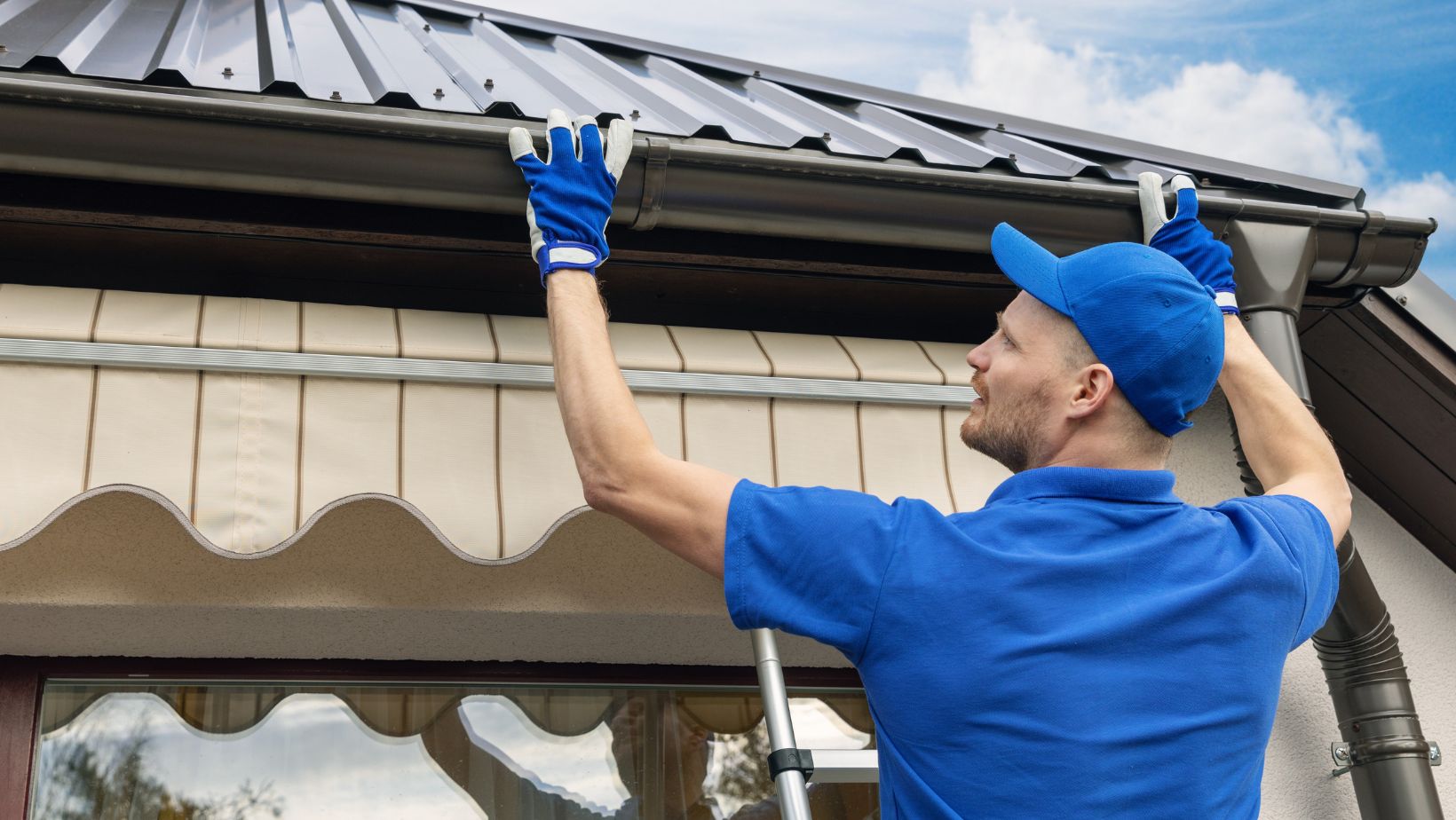
Use a sturdy ladder and work with a partner. Scoop debris with a small plastic trowel, then flush with a hose. If your downspouts still back up, check for underground clogs. A flexible drain auger solves the problem fast.
Spot Small Issues Before They Snowball
Many problems start as tiny changes. Learn your home’s normal sounds, smells, and patterns so you notice when something shifts.
Do a quick monthly walk-through with the same route each time. The goal is catching a drip before it becomes a stain.
● Stains on ceilings or near vents
● Peeling caulk around tubs, sinks, or windows
● Musty smells in closets or the basement
● Doors or windows that suddenly stick
● Higher utility bills without a clear reason
Safety Checks That Save Lives
Test smoke and carbon monoxide alarms monthly. Swap batteries yearly or when you change clocks, and replace units according to the manufacturer’s timeline.
Fire safety experts emphasize that working smoke alarms sharply reduce the risk of dying in a home fire. Place alarms in every bedroom and on each level, and keep a small extinguisher in the kitchen.
Moisture Control and Ventilation
Moisture is a quiet troublemaker, and can lead to mold, rot, and peeling paint if you ignore it. Run bathroom fans during showers and for 15 to 20 minutes after. Use the range hood when cooking and make sure it vents outside, not into the attic. Keep furniture a little off exterior walls so air can move.
Watch basements and crawl spaces. Add downspout extensions so that water lands several feet away from the foundation. Slope soil away from the house, and use a dehumidifier if indoor humidity stays above 50%. A small hygrometer helps you track changes so you can act before problems spread.
Plan and Budget for the Real Costs
Maintenance is a cost of ownership, not a surprise. Create a sinking fund so routine fixes do not compete with rent-sized bills.
A recent analysis estimated that typical annual costs for owning and maintaining a single-family home were about $21,400 in 2025. That number includes a mix of upkeep, utilities, property taxes, insurance, and surprise repairs, so set your target and automate a monthly transfer.
A well-cared-for home is built on steady habits. With a simple seasonal rhythm, basic roof and gutter care, quick safety checks, and a budget for the real costs, you can handle most surprises. Add good moisture control and smart DIY limits, and your home will stay safe, dry, and comfortable year-round.
More Stories
How Prefabrication Is Changing the Construction Industry
Leading Kitchen Remodeling Experts – Trusted Contractors for Modern Home Upgrades
How to Choose the Right Contractor for Home Renovation