
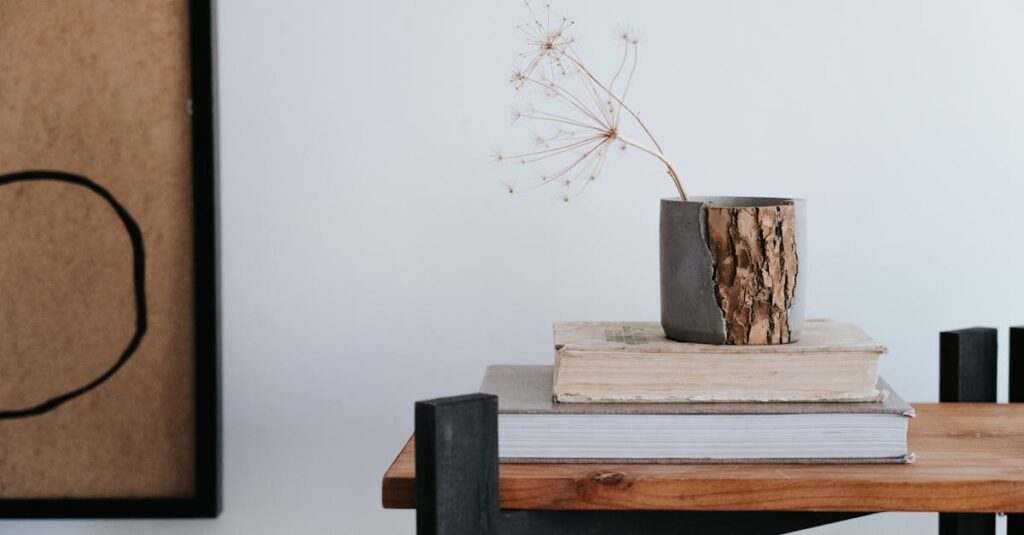
Picture this: You walk into a living room where sunlight spills across pale oak floors, a single ceramic vase sits on a low table, and the air feels calm—almost like a gentle exhale. That’s the magic of japandi style interior design. It’s not just a look; it’s a feeling. If you’ve ever felt overwhelmed by clutter or tired of trends that fade fast, japandi style interior design might be the answer you didn’t know you needed.
What Is Japandi Style Interior Design?
Japandi style interior design blends the best of Japanese minimalism and Scandinavian coziness. Imagine the clean lines and natural materials of a Kyoto tea house meeting the warmth and comfort of a Danish living room. The result? Spaces that feel both elegant and inviting, never cold or stark.
Here’s why this style stands out: It’s not about perfection. It’s about balance. Japandi style interior design celebrates the beauty of imperfection—think hand-thrown pottery, weathered wood, and textiles with a story. If you’ve ever tried to keep a white sofa spotless, you know life gets messy. Japandi says, “That’s okay.”
Key Elements of Japandi Style Interior Design
1. Natural Materials
Wood, stone, linen, and clay take center stage. You’ll see pale woods like ash and oak, paired with darker accents—maybe a walnut bench or a black ceramic bowl. The textures matter as much as the colors. Run your hand over a japandi table and you’ll feel the grain, not a glossy finish.
2. Muted Color Palettes
Forget bold reds or neon greens. Japandi style interior design favors soft, earthy tones: warm whites, gentle grays, sage greens, and inky blues. These colors create a sense of calm and make rooms feel bigger and brighter. If you crave a pop of color, try a single indigo cushion or a sprig of eucalyptus in a vase.
3. Functional Simplicity
Every piece has a purpose. You won’t find extra chairs “just in case” or shelves packed with knickknacks. Instead, japandi style interior design asks you to choose what matters and let go of the rest. It’s a little scary at first—what if you need that third throw pillow?—but the payoff is real. Less stuff means less stress.
4. Handcrafted Details
Mass-produced furniture has its place, but japandi style interior design shines when you add something handmade. Maybe it’s a woven basket from a local artisan or a mug you picked up on vacation. These pieces tell your story and add soul to the space.
Why Japandi Style Interior Design Feels So Good
Here’s the part nobody tells you: Japandi isn’t just about looks. It’s about how you feel in your home. When you strip away the extra, you make room for what matters—quiet mornings, slow dinners, real conversations. If you’ve ever felt like your home was working against you, japandi style interior design flips the script.
There’s science behind it, too. Studies show that clutter increases stress and makes it harder to relax. Japandi’s focus on simplicity and order helps your brain unwind. Plus, natural materials and soft colors can boost your mood and even help you sleep better.
Common Mistakes (And How to Avoid Them)
- Going too minimal: If your space feels empty or cold, add texture—think a chunky knit throw or a woven rug.
- Ignoring comfort: Japandi style interior design isn’t about hard benches and bare floors. Layer in soft cushions, cozy blankets, and warm lighting.
- Buying everything new: The best japandi spaces mix old and new. Hunt for vintage finds or repurpose what you have.
- Forgetting personal touches: Your home should reflect you. Display a favorite book, a family photo, or a quirky souvenir.
If you’ve ever felt lost trying to copy a magazine spread, remember: Japandi style interior design is about creating a space that works for you, not for Instagram.
Who Should Try Japandi Style Interior Design?
This style isn’t for everyone. If you love bold patterns, bright colors, or lots of decorative objects, japandi might feel too restrained. But if you crave calm, value quality over quantity, and want a home that feels like a retreat, japandi style interior design could be your perfect match.
It’s also great for small spaces. The focus on function and light colors can make even a tiny apartment feel open and airy. If you’re tired of tripping over stuff or cleaning around piles, japandi offers a fresh start.
How to Bring Japandi Style Interior Design Into Your Home
- Edit ruthlessly: Walk through your space and ask, “Do I love this? Do I use it?” If not, let it go.
- Choose a calm color palette: Pick two or three soft, natural colors and stick to them throughout your home.
- Invest in quality: Buy fewer things, but make them count. Look for solid wood, real linen, and handmade ceramics.
- Add texture: Mix smooth and rough, soft and hard. A linen sofa, a jute rug, a stone bowl—they all work together.
- Let in the light: Use sheer curtains or none at all. Place mirrors to bounce sunlight around the room.
- Bring in nature: A single branch in a vase, a potted plant, or a bowl of river stones adds life without clutter.
Start small. Maybe it’s just clearing your coffee table or swapping out a busy print for a simple one. Each step brings you closer to the calm, welcoming vibe of japandi style interior design.
Real-Life Japandi: Lessons Learned
Here’s a confession: The first time I tried japandi style interior design, I went overboard. I got rid of too much, and my living room felt empty. It took a few tries to get the balance right—adding a soft rug, a few plants, and a favorite lamp. Now, my home feels peaceful, not sterile. If you make mistakes, that’s part of the process. The best spaces grow with you.
If you’ve ever felt like your home was a to-do list you could never finish, japandi style interior design offers a different way. It’s not about chasing perfection. It’s about finding comfort in the everyday, beauty in the imperfect, and joy in the simple things.
Final Thoughts: Is Japandi Right for You?
If you want a home that feels calm, looks beautiful, and works for real life, japandi style interior design is worth a try. It’s not about rules or trends—it’s about creating a space where you can breathe, relax, and be yourself. Start with one room, one corner, or even one shelf. You might be surprised by how much lighter you feel.
More Stories
The Ideal Way To Combine Different Kitchen Lighting for a Balanced Look
Full Bathroom Remodel vs. Cosmetic Refresh: How to Decide What Your Space Actually Needs
The Complete Guide to Basement Remodeling: Planning and Execution