
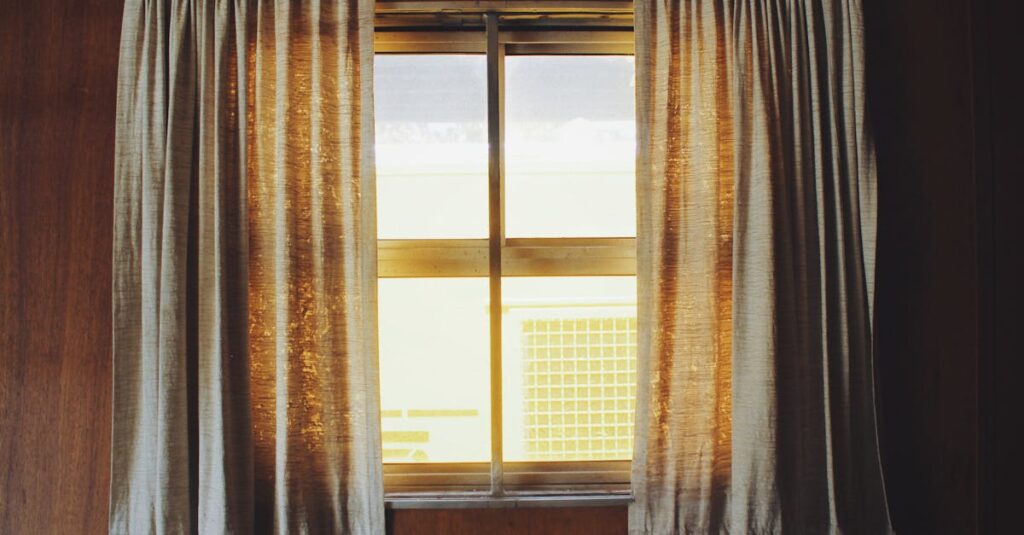
Picture this: You walk into a living room where the air feels calm, the light falls softly on a linen sofa, and the only sound is the gentle click of your shoes on oak floors. There’s no flash, no clutter, just a quiet confidence in every detail. That’s the heart of quiet luxury interior design—a style that whispers instead of shouts, and makes you feel at home in your own skin.
What Is Quiet Luxury Interior Design?
Quiet luxury interior design isn’t about gold-plated faucets or rooms stuffed with designer labels. It’s about subtle elegance, comfort, and quality that you can feel but don’t need to flaunt. If you’ve ever walked into a space and felt instantly at ease, you’ve probably experienced it. This style values restraint, timelessness, and the kind of beauty that gets better with age.
Who Is Quiet Luxury For?
If you crave calm, hate clutter, and want your home to feel like a sanctuary, quiet luxury interior design might be your match. It’s not for people who want to impress with the latest trends or fill every corner with stuff. It’s for those who appreciate the story behind a hand-thrown vase, the patina on a vintage chair, or the way sunlight plays on a plaster wall. If you’ve ever felt overwhelmed by “more is more,” this is your antidote.
The Core Elements of Quiet Luxury Interior Design
Let’s break it down. What makes a space quietly luxurious? It’s not just about expensive things. It’s about thoughtful choices and a focus on what matters.
- Quality Over Quantity: One cashmere throw beats five scratchy blankets. Invest in fewer, better pieces.
- Natural Materials: Think linen, wool, stone, wood, and leather. These materials age gracefully and feel good to the touch.
- Neutral Palette: Soft whites, warm taupes, gentle greys. These colors create a sense of calm and let textures shine.
- Understated Details: Subtle stitching, hand-finished edges, and quiet craftsmanship. Nothing screams for attention, but everything feels considered.
- Functional Beauty: Every item earns its place. If it’s not useful or beautiful, it doesn’t stay.
Here’s the part nobody tells you: Quiet luxury isn’t about spending a fortune. It’s about knowing when to splurge and when to save. A $20 thrifted vase can look like a million bucks if you love it and it fits the space.
How to Bring Quiet Luxury Into Your Home
Ready to try quiet luxury interior design? Start small. You don’t need to gut your house or hire a celebrity designer. Here are some steps you can take right now:
- Edit Ruthlessly: Walk through your space and remove anything that feels noisy or unnecessary. If you don’t love it, let it go.
- Upgrade Textiles: Swap scratchy throws for soft wool or linen. Replace polyester curtains with natural fibers. You’ll feel the difference every day.
- Choose Timeless Furniture: Look for clean lines, solid wood, and pieces that will last. A well-made chair from 1960 can outshine a trendy new one.
- Layer Lighting: Use table lamps, sconces, and candles to create a warm, inviting glow. Overhead lights alone can feel harsh.
- Add Art with Meaning: Hang pieces that move you, not just what matches the sofa. A single photograph or painting can set the tone for a whole room.
If you’ve ever struggled with feeling like your home is never “done,” quiet luxury interior design offers relief. It’s not about perfection. It’s about creating a space that feels right for you, right now.
Common Mistakes and How to Avoid Them
Let’s be honest: Most of us have made decorating mistakes. Maybe you bought a trendy lamp that looked great online but felt out of place at home. Or you filled your shelves with knickknacks, hoping they’d add personality, but ended up with clutter. Here’s how to sidestep the usual traps:
- Chasing Trends: Quiet luxury interior design ignores what’s hot this year. Focus on what you’ll love for years.
- Overdecorating: More stuff doesn’t mean more style. Leave space for your eyes to rest.
- Ignoring Comfort: A beautiful chair that hurts your back isn’t luxury. Test everything before you buy.
- Forgetting the Senses: Quiet luxury isn’t just visual. Think about how things feel, sound, and even smell. A wool rug underfoot, a soft throw, a hint of cedar—these details matter.
Here’s why this matters: When you focus on what feels good, not just what looks good, your home becomes a place you want to be.
Real-Life Examples: Quiet Luxury in Action
Let’s get specific. Imagine a bedroom with crisp white sheets, a single piece of art above the bed, and a vintage wooden bench at the foot. Or a kitchen with open shelves holding handmade ceramics, a marble countertop, and a bowl of lemons. These spaces don’t shout for attention, but they linger in your memory.
One homeowner I know swapped out her busy gallery wall for a single, oversized photograph. She worried it would feel empty, but instead, the room felt bigger and calmer. Another friend invested in a solid oak dining table and paired it with mismatched chairs from flea markets. The result? A space that feels collected, not decorated.
Why Quiet Luxury Interior Design Matters Now
We live in a noisy world. Social media, advertising, and even our own to-do lists compete for attention. Quiet luxury interior design offers a way to opt out. It’s a rebellion against the idea that more is always better. Instead, it asks: What do you really need? What makes you feel at home?
If you’re tired of chasing trends or feeling like your home never quite reflects you, this style gives you permission to slow down. To choose fewer, better things. To let your space breathe.
Next Steps: Start Your Quiet Luxury Journey
Ready to try quiet luxury interior design? Start with one room. Remove what you don’t love. Add something that feels good in your hands. Pay attention to the light, the textures, the sounds. You don’t need a big budget—just a willingness to edit and a focus on what matters to you.
Remember, quiet luxury isn’t about impressing anyone else. It’s about creating a home that feels like a deep breath. If you’ve ever longed for a space that soothes instead of shouts, you’re already halfway there.
More Stories
Designing an exterior that feels like home
Modern Bathroom Renovation and Design Ideas
From Empty Rooms to Luxury Living: How Canvas Art Transforms Your Space