
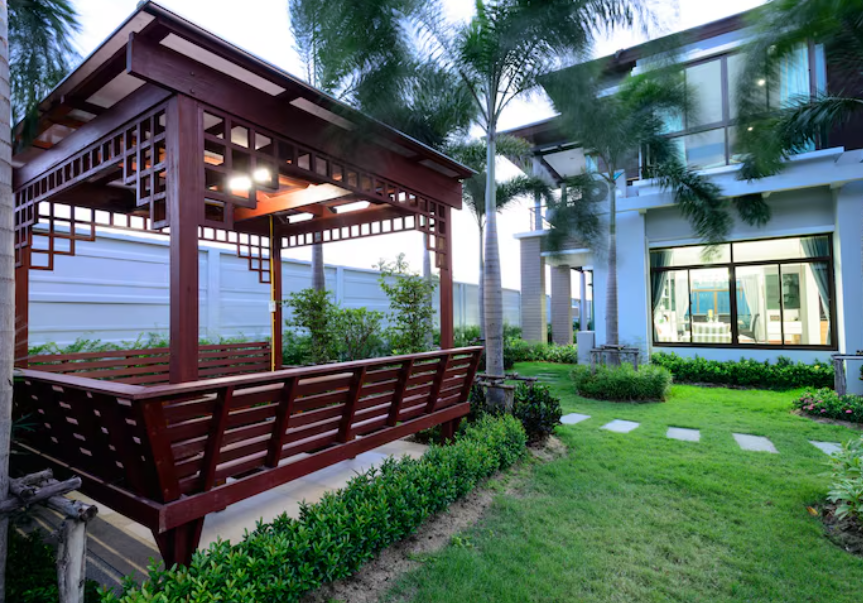
Do you step into your backyard and feel like something is missing?
Maybe the space looks fine, yet it never feels like somewhere you want to spend an evening. Small outdoor renovations often make a bigger difference than expensive makeovers because they improve comfort, privacy, and how you actually use the space.
Start With Shade Before Buying More Furniture
A comfortable outdoor space depends on protection from direct sun as much as on attractive seating. Many homeowners buy new chairs first, then realize nobody wants to sit in them during a hot afternoon.
A pergola, retractable awning, shade sail, or even a well-placed tree can make a patio feel cooler. In many climates, afternoon sun becomes the main reason people avoid using their yard. Once shade is in place, existing furniture often feels much more inviting.
Add Privacy Without Closing Off Your Yard
Relaxation becomes difficult if every conversation feels like it’s happening in front of the neighbors. Privacy doesn’t always require building a tall, solid wall.
If your outdoor seating area faces nearby homes, installing a privacy fence panel around part of the space can create a quieter setting while still allowing the rest of the yard to stay open. Mixing fencing with shrubs or climbing plants usually creates a softer appearance than fencing alone.
Make Walkways Comfortable and Safe
Walking through the yard should feel natural instead of awkward. Uneven stepping stones, cracked concrete, or muddy paths can make even a beautiful garden less enjoyable.
Choose materials that provide good grip during wet weather. Gravel works well for informal gardens, while pavers create a cleaner finish around patios. A path that’s about 3 feet wide usually allows two people to walk side by side comfortably.
Improve Outdoor Lighting Instead Of Making It Brighter
More light doesn’t always create a better atmosphere. Soft lighting often feels calmer than bright floodlights.
Focus on areas people actually use:
- Steps and level changes
- Dining or seating areas
- Garden paths
- Entry doors
Warm-colored LED lighting generally creates a more comfortable evening setting than cooler white lighting, especially around patios and decks.
Update Your Deck For Comfort And Safety
A deck naturally becomes the gathering place during family meals or weekend visits. Worn surfaces, loose boards, or outdated railings can make people avoid spending time there.
If your deck overlooks a yard or garden, replacing older railings with a privacy deck railing can reduce distractions while still allowing airflow. Before starting any deck project, check local building requirements and railing height rules.
The International Residential Code provides safety standards that many local jurisdictions follow: https://codes.iccsafe.org/.
Choose Plants That Match Your Maintenance Style
Gardens should fit your schedule, not create another weekly chore. Many people plant flowers they admire at the garden center without considering how much care they require.
Native plants often adapt better to local rainfall and soil conditions. The U.S. Environmental Protection Agency also encourages landscaping practices that reduce water use and runoff through smart plant selection and efficient irrigation: https://www.epa.gov/soakuptherain.
Honestly, the “perfect” garden doesn’t really exist. Some people enjoy regular pruning, while others simply want greenery that looks good with very little attention.
Create Smaller Outdoor Zones
Large open yards sometimes feel less welcoming because every activity happens in one place. Breaking the space into smaller sections gives each area a clearer purpose.
A simple layout could include:
- A dining area near the house.
- A reading corner beneath a tree.
- An open lawn for children or pets.
Even placing large planters between spaces can create subtle separation without making the yard feel smaller.
Reduce Noise Where You Spend Time
Traffic, nearby air-conditioning units, or neighboring conversations can interrupt a peaceful evening outside.
Moving seating a short distance away from the noise source sometimes helps more than expected. Water features, ornamental grasses, or dense evergreen shrubs can also soften background sounds. None will eliminate noise completely, but many homeowners notice the space feels calmer.
Refresh Surfaces Instead Of Replacing Everything
Old patios and decks don’t always need complete reconstruction. Cleaning, sealing, or repainting often produces a dramatic improvement.
Pressure washing concrete can remove years of dirt and algae. Wooden decks usually benefit from fresh stain after proper preparation, while faded outdoor furniture may only need new cushions instead of replacement.
Home improvement articles about outdoor maintenance and seasonal property care can also help you plan projects in the right order before taking on larger renovations.
Plan Around How You Actually Live
Many outdoor renovations look impressive in photos but don’t suit everyday life. A built-in outdoor kitchen may sit unused if you mostly cook indoors, while a simple fire pit might become the busiest spot in the yard.
Walk through your outdoor space at different times of day before making changes. Morning sunlight, afternoon shade, and evening temperatures often reveal how the space naturally wants to be used.
A relaxing home doesn’t depend on the biggest renovation budget. Comfortable seating, practical privacy, safe walkways, and thoughtful lighting usually have a bigger impact than dramatic upgrades. Small improvements made with your daily routine in mind often create an outdoor space you’ll genuinely want to use throughout the year.
More Stories
Change Your Living Spaces: Interior Design Hacks
Designing an Office Around How Your Business Operates
How to Plan a Desert Move Without Melting Down: A Practical Guide to Relocating in Southern Utah
The Moving Mistakes Most People Only Make Once (And How to Avoid Them the First Time)