
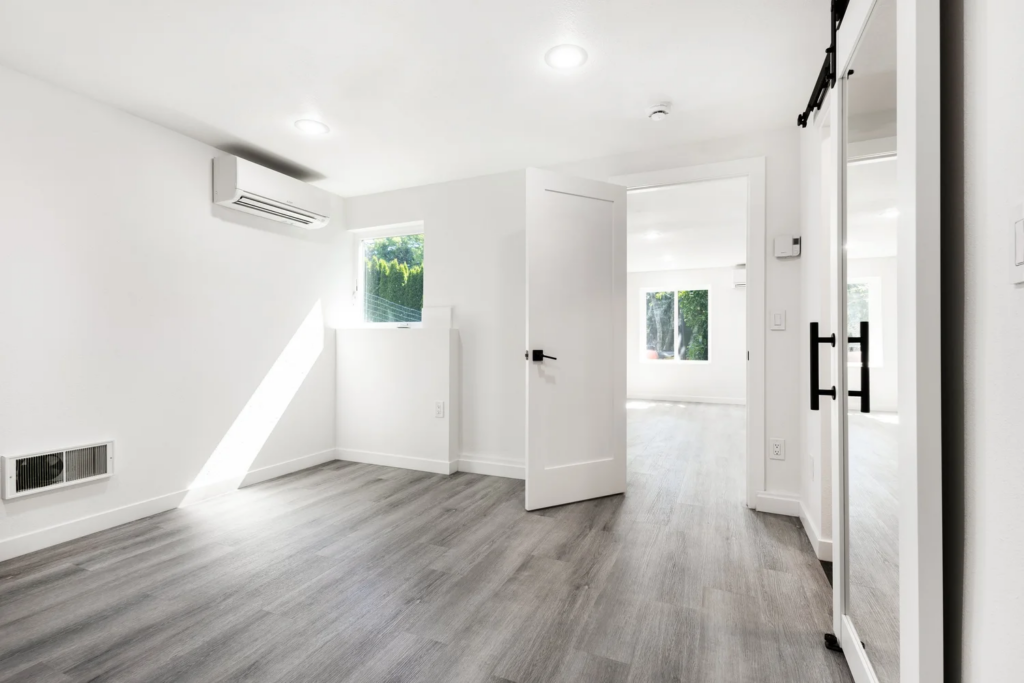
Basements often become forgotten spaces—dark, dusty storage areas where holiday decorations and old furniture go to gather cobwebs. Yet these underground spaces hold incredible potential for adding valuable square footage to a home. When homeowners partner with experienced builders like Ag construction, which serves the Greater Seattle Area, they can transform neglected basements into stunning living spaces that enhance both functionality and property value.
Basement remodeling represents one of the best returns on investment in home improvement, but it’s also one of the most complex projects a homeowner can undertake. Unlike renovating existing living spaces, basements present unique challenges involving moisture control, ceiling height restrictions, natural light limitations, and building code requirements. Success requires careful planning, realistic budgeting, and understanding what’s involved from start to finish.
Assessing Your Basement’s Potential
Before dreaming about home theaters and guest suites, homeowners need to conduct an honest assessment of their basement’s condition and potential. Not every basement is suitable for finishing, and some require significant preparatory work before transformation can begin.
The first consideration is moisture. Basements that regularly flood, show signs of water infiltration, or feel perpetually damp need moisture issues resolved before any finishing work begins. This might involve exterior drainage improvements, sump pump installation, or foundation waterproofing. Skipping this step leads to mold, damaged materials, and wasted investment.
Ceiling height matters tremendously. Most building codes require finished basements to have at least seven feet of clear ceiling height. Homes with low basement ceilings may need floor excavation—an expensive but sometimes worthwhile investment. Alternatively, homeowners can embrace the space’s limitations and create cozy, intentionally low-ceilinged areas.
Existing systems like HVAC equipment, water heaters, electrical panels, and plumbing need consideration. These can’t simply be hidden behind drywall—they require access for maintenance and code compliance. Smart planning incorporates these elements into the design rather than fighting against them.
Planning Your Basement Layout
Once the space passes the basic suitability test, the real fun begins: planning how to use it. The beauty of basement remodeling is flexibility. Without the constraints of existing room layouts, homeowners can create exactly what their family needs.
Popular basement remodeling ideas include:
- Additional bedroom and bathroom – perfect for growing families or creating rental income potential
- Home office or study – quiet space away from main living areas
- Entertainment zone – home theater, game room, or bar area for hosting
- Fitness center – dedicated workout space with room for equipment
- Guest suite – bedroom, bathroom, and sitting area for visitors
- Playroom – safe space for children with easy-to-clean surfaces
- Hobby or craft room – dedicated area for creative pursuits
The key is designing with purpose rather than just “finishing” the space generically. How will the family actually use this area? What’s currently lacking in the home? Answering these questions guides better design decisions.
Natural light significantly impacts basement livability. Wherever possible, incorporate egress windows. These serve dual purposes: they bring in precious daylight and provide emergency exits required by code for bedrooms. Even if full windows aren’t feasible, consider window wells, light tubes, or strategic artificial lighting to combat the cave-like feeling many basements have.
Navigating Codes and Permits
Basement remodeling isn’t a project to undertake without proper permits. Building codes exist to ensure safety, and violations can create serious problems when selling the home or filing insurance claims.
Most jurisdictions require permits for basement finishing work. This typically includes inspections at various stages: framing, electrical, plumbing, and final. While the permit process adds time and cost, it provides peace of mind that work meets safety standards.
Egress requirements are particularly strict for basement bedrooms. At least one window or door must provide direct access to outside, meeting specific size requirements. Smoke detectors and carbon monoxide detectors are mandatory. Some areas require additional emergency exits depending on the basement’s layout.
Working with experienced contractors familiar with local codes—the kind of knowledge that established companies bring to every project—helps navigate these requirements without costly mistakes or delays.
Moisture Control and Insulation
Even basements that don’t have active water problems need moisture management strategies. Concrete is porous and naturally wicks moisture from surrounding soil. Proper moisture control prevents mold growth and maintains indoor air quality.
Modern basement finishing techniques include vapor barriers on walls and floors, proper insulation rated for below-grade applications, and dehumidification systems. Some situations require interior drainage systems that channel any water intrusion to sump pumps before it becomes visible.
Insulation serves multiple purposes in basements. It controls temperature, reduces energy costs, and provides sound dampening. However, wrong insulation choices can trap moisture and create mold breeding grounds. Rigid foam insulation works well for basement applications because it doesn’t absorb moisture and provides excellent thermal performance.
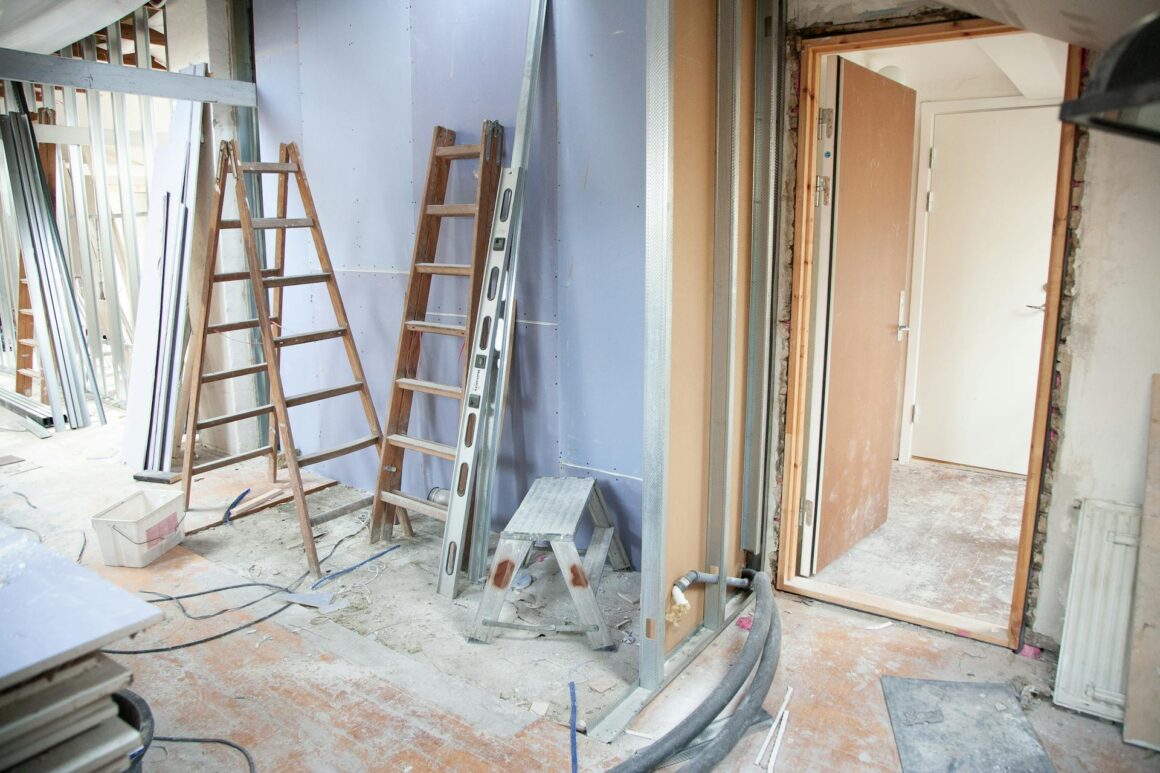
The Construction Process
Understanding the typical basement finishing timeline helps set realistic expectations. Most projects take six to twelve weeks, depending on size and complexity.
The process generally follows this sequence:
- Design and permitting – finalizing plans and obtaining necessary permits (1-3 weeks)
- Framing – constructing walls to define rooms and spaces (1-2 weeks)
- Rough-ins – installing electrical, plumbing, and HVAC systems (1-2 weeks)
- Insulation and drywall – adding insulation and hanging/finishing drywall (2-3 weeks)
- Flooring installation – laying chosen flooring materials (1 week)
- Finishing touches – installing trim, doors, fixtures, and painting (1-2 weeks)
- Final inspection – code compliance verification and project completion (1 week)
Delays happen. Materials arrive late, inspections get rescheduled, or unexpected issues surface once walls are opened. Building contingency time into expectations reduces stress.
Budgeting Realistically
Basement finishing costs vary dramatically—from $25-50 per square foot for basic work to over $150 for high-end remodels. Smart homeowners prioritize infrastructure like moisture control, electrical capacity, and HVAC over cosmetic finishes, since these systems are expensive to retrofit later.
Hidden costs often include electrical panel upgrades, unexpected moisture remediation, HVAC modifications, and bringing outdated systems up to code. Planning for these contingencies prevents budget shock mid-project.
Making It Happen
Transforming a basement from storage dungeon to functional living space requires vision, planning, and execution. Homeowners who invest time in thorough planning, choose quality materials appropriate for below-grade applications, and work with experienced professionals create spaces that serve their families well for decades.
The finished product should feel like an intentional part of the home rather than an afterthought. Thoughtful design, attention to detail, and proper construction techniques make the difference between a basement that’s merely “finished” and one that’s truly lived in and loved.
More Stories
Simple Finishing Touches That Elevate Your Home’s Interior Design
Why a Spa-Style Shower Upgrade Is One of the Smartest Small Renovations Before You List
Designing Comfortable Kitchen and Home Bar Seating: Layout, Ergonomics, and Everyday Practicality
Bathroom Layout Gone Wrong? Redesign Ideas to Improve Bathing Space Functionality