
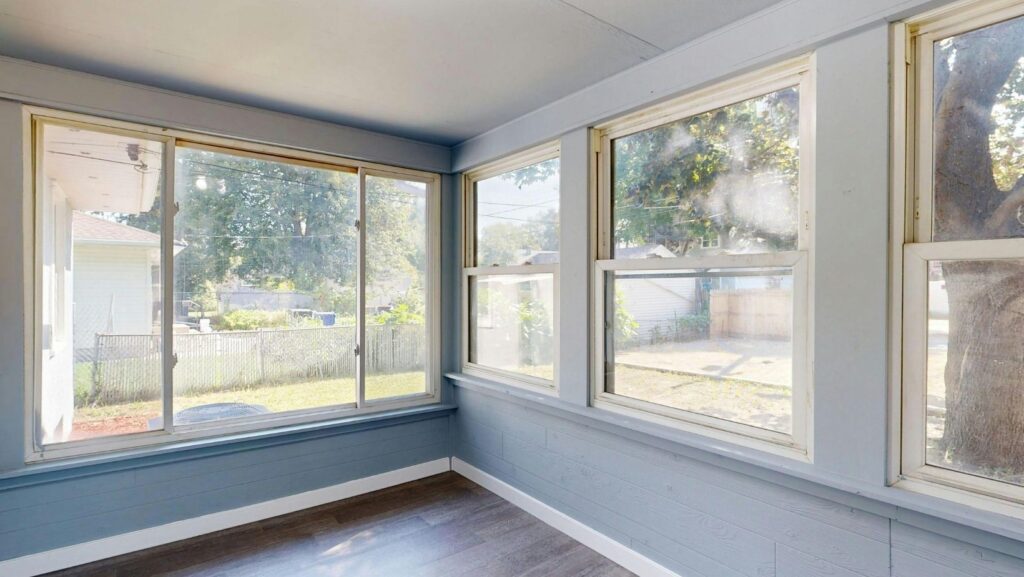
It’s one of the most common questions for home sellers: “Should I replace my old windows before listing?” The conventional wisdom suggests it’s a slam-dunk investment, boosting curb appeal and resale value. The reality, however, is far more nuanced. Replacing windows is a major expense, and a full-scale replacement project is often one of the worst pre-listing investments a seller can make from a pure ROI perspective.
This guide uses real project data to cut through the noise, helping you decide when new windows are a critical pre-sale repair versus a costly and unnecessary upgrade.
The ROI Reality: Don’t Expect to Recoup Your Full Investment
While new windows offer long-term energy savings for a homeowner who plans to stay, they provide a diminished return for a seller looking for immediate profit.
Insight from our internal project dataset: On average, sellers who undertake a full, whole-house window replacement project recoup only 60-70% of the cost upon resale. This means if you spend $20,000 on new windows, you can only expect your home’s sale price to increase by about $12,000 to $14,000. This is a net loss.
A common mistake is choosing high-end, custom windows for a mid-market home right before selling. Buyers in that price range may not be willing to pay the premium, leaving the seller to absorb the cost.
When You MUST Replace a Window Before Selling
The conversation changes completely when a window is visibly broken, has a failed seal (foggy or condensed glass), or is non-functional. These are not upgrades; they are red flags for deferred maintenance.
| Problem | Why It’s a Must-Fix |
| Cracked or Broken Glass | An obvious safety and security hazard that will be flagged by any home inspector. |
| Foggy Glass (Failed Seal) | Indicates the window’s insulating properties are gone and signals to buyers that a future expense is looming. |
| Inoperable Window | A window that cannot open or close properly is a functional defect and a potential safety issue. |
Insight from our internal project dataset: Failing to address a single, clearly defective window can cause buyers to overestimate the cost of repair, potentially reducing their offer by two to three times the actual repair cost.
A Smarter Alternative: The Seller’s Credit
So, what do you do if your windows are old and inefficient, but not broken? In most cases, the savviest financial move is to offer a “seller’s credit” or “window allowance.”
Instead of spending $20,000 on windows you think a buyer will want, you can offer a credit of, for example, $10,000 at closing. This has several advantages:
- You avoid a negative ROI.
- You remove the buyer’s objection about the old windows.
- The buyer gets to choose the exact windows they want after they move in.
This strategy is particularly effective for older housing stock, like the classic post-war bungalows found in many established suburban neighborhoods, where windows may be functional but outdated.
Value Anchor: Offering a credit is a powerful negotiating tool. It demonstrates transparency and removes a major point of contention, often for less than half the cost of a full replacement, helping you secure a faster, smoother sale.
The Bottom Line: Fix What’s Broken, Credit the Rest
Unless a window is actively broken or failed, replacing it solely for resale is rarely a winning financial strategy. Your capital is almost always better spent on more impactful pre-listing updates like fresh paint, updated light fixtures, or professional landscaping. Focus on repairing the obvious defects that scare buyers away, price your home fairly, and be prepared to negotiate a credit for older, but still functional, windows.
Micro-CTA: Unsure if your window needs a full replacement or just a simple repair? Getting a quick estimate from a professional can give you the clarity you need to make the right financial decision.
Why Mr. Remodel? Putting Data into Action
The insights in this article come directly from our deep experience nationwide. We believe homeowners deserve transparent, data-driven advice before making a major investment. That is the core of our process.
What MrRemodel.com Does
- They connect you with real, local remodeling contractors who want your project.
- You tell them what you need and they’ll send it to licensed and insured pros in your area.
- Those contractors give you real price estimates, not ads or ballpark numbers.
- You choose who to talk to. There is no obligation to hire anyone.
What MrRemodel.com Is Not
- They are not a contractor and do not do not work for themselves.
- They are not a handyman service or for small repair jobs.
- They are not a spam site that sends your info to 20 companies.
- They balance quality and efficiency.
Why Homeowners Use MrRemodel.com
- Save time. No calling around.
- Talk only to contractors who actually want your job and ask about their current promotions while you are at it!
- Compare real options before deciding.
- Free to use. No pressure.
Ready to start your project with a team that values data and transparency? Apply through MrRemodel.com today for a free, no-obligation quote.
More Stories
Simple Finishing Touches That Elevate Your Home’s Interior Design
Why a Spa-Style Shower Upgrade Is One of the Smartest Small Renovations Before You List
Designing Comfortable Kitchen and Home Bar Seating: Layout, Ergonomics, and Everyday Practicality
Bathroom Layout Gone Wrong? Redesign Ideas to Improve Bathing Space Functionality