
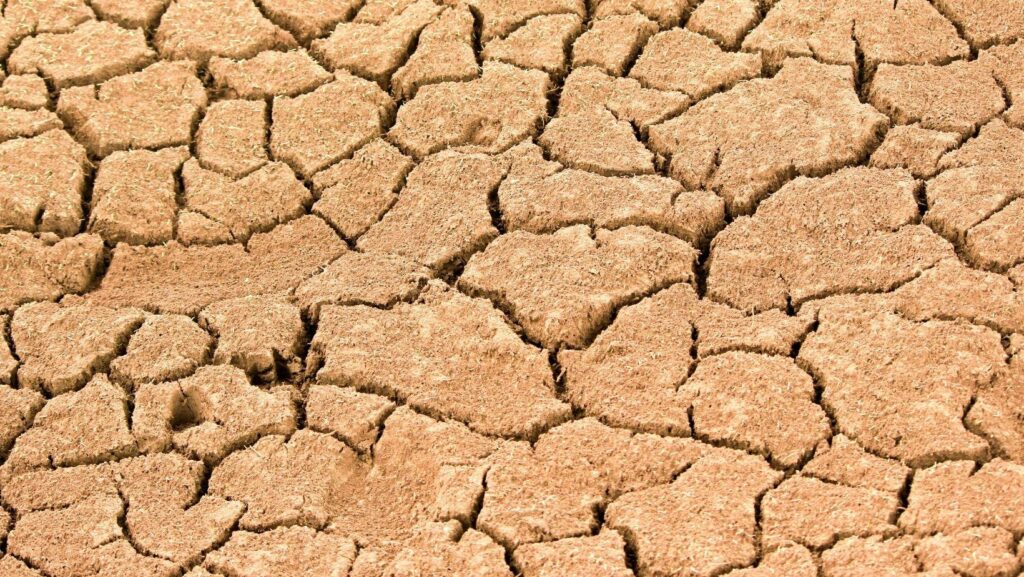
Environmental conditions can affect the durability and stability of home foundations a lot. Many people are scared of floods and low temperatures. However, long droughts are really dangerous as well.
Dry conditions can affect the moisture balance in the ground surrounding your property. It might lead to excessive movement and building defects.
Keep reading and learn about the effects of these conditions and steps to handle them!
The Effects of Drought on Foundation Soil
Foundation strength largely depends on the condition of the soil underneath it. Your ground loses moisture faster during droughts. It changes how soil bears the weight of the structure above it.
You need to understand these changes to recognize why drought conditions are a serious threat to residential foundations.
Soil Shrinkage
Soil holds a certain amount of moisture that preserves its volume. It loses this moisture through evaporation and heat exposure during long droughts. So, it contracts and becomes more compact.
This contraction leaves voids and gaps under some parts of your house. It can lead to irregular settlement across different areas of the structure. You will notice some alarming signs, like
- Wall fractures
- Sticking doors
- Separated trim
- Irregular floor surface
The level of damage is generally influenced by the duration of the drought. Prolonged sun exposure causes certain areas to dry and contract faster.
Expansion and Contraction in Clay Ground
Clay soil takes in a lot of water during wet conditions and expands. Then, drought removes that moisture, and the soil contracts noticeably.
These movements put constant stress on your foundations. Shrinking clay soil might pull away from the edges, reducing structural support.
It can affect both older and newer houses. Even recently constructed properties can experience foundation stress if drought conditions are severe.
Uneven Soil Support
Another damaging effect of drought is displacement. It happens when one part of your foundation moves more than another. Some sections under your residence might shrink faster than others.
This uneven reinforcement creates stress throughout the structure. One side of your house may shift lower while another remains stable. The resulting imbalance can lead to interior and exterior damage that becomes progressively worse.
Concrete slab foundations are really susceptible to cracking when soil movement occurs beneath isolated sections of the slab. The concrete may bend and fracture under the uneven pressure.
Typical Indicators of Foundation Problems
Foundation issues caused by drought usually start with small changes. They will slowly become more obvious. You should learn to spot any of these indicators and correct them before they provoke serious damage.
Internal Cracks
Interior wall cracking is commonly associated with stress from drought conditions. Movement in the structure can spread through your walls and ceilings.
Horizontal cracks are generally more concerning because they can demonstrate substantial tension buildup. Voids along brick walls and long horizontal fractures near ceilings can point to irregular foundation placement.
You should also monitor fractures that appear suddenly and spread quickly.
Binding Doors and Windows
Foundation movement can also alter the alignment of your door and window frames. These frames might become slightly twisted and compressed.
You will initially see doors scraping along the floor or windows that don’t close properly.
Persistent alignment issues typically indicate displacement and movement related to drought conditions. These problems tend to aggravate as soil fluctuation continues.
Uneven Floors
Uneven flooring is another indicator of movement caused by shifting soil conditions. As the drought weakens support underneath some parts of your residence, sections of the foundation may settle at different rates.
Some things you can notice are
- Soft spots while walking
- Furniture leaning
- Objects rolling across the floor
Minor floor irregularities may develop naturally in older homes. Yet, significant and worsening slopes often point to ongoing movement.
Preventing Foundation Damage During Drought
As you already know, long droughts can put a lot of strain on your foundation. You can use different strategies to stop major harm.
Here are some methods that might be useful.
Plan Regular Checks
Consistent checkups make it possible to detect small structural concerns early. Periodic inspections from Dura Pier Foundation Repair can help you determine small issues before they become too expensive.
These checks can uncover different warning signals, like
- Minor settlement
- Shifting support systems
- Early structural cracks
You have to react fast to any of these signs. It will protect your home from more severe complications in the future.
Ensure Steady Hydration
Maintaining stable soil moisture around your property is essential. It will help you protect your foundation from damage related to drought.
Regulated watering around the foundation will minimize the shrinkage process. Many people use soaker hoses and drip systems for this activity.
However, balance is important. Overwatering can also cause some instability and drainage problems. Your primary objective is to maintain stability instead of allowing substantial fluctuations in soil conditions.
It’s especially important to monitor sections of your property that are exposed to sunlight and higher temperatures. These locations tend to dry out more quickly.
Improve Your Drainage
Poor drainage during occasional rainfall can also contribute to unstable expansion and contraction cycles. So, a proper system is essential to maintain healthier soil conditions around the foundation throughout changing weather.
Working gutters and downspouts will help you carry water away from your foundation area. They eliminate concentrated moisture buildup near the supports. You will also need appropriate grading around the property.
Conclusion
Droughts usually have a pretty negative impact on the foundation of your home. They might cause soil to shrink and lose its capacity to support your structure.
This damage usually develops gradually, so early intervention is extremely important. Some essential maintenance practices are
- Ensuring steady soil hydration
- Drainage modifications
- Systematic checks
These actions can limit the possibility of drought-related damage. Plus, professional intervention and quick repairs can reduce overall repair costs a lot.
Hope that you found our guide useful!


More Stories
7 Things to Check Before Making a Decision About a Property
7 Things to Know Before Starting a Career in Real Estate
7 Things to Look for When Choosing Technology for a Real Estate Agency
Artificial Plants for Modern Homes: How to Make Your House Look Natural Without Any Effort