
The first walkthrough before a listing usually goes the same way. The seller leads the agent room to room, mentally tallying everything they want to fix, and then they reach the kitchen and the agent slows down. This is the room that sets the price, and both of them know it. What follows is a short, slightly awkward conversation about where the seller’s money should and should not go before the photos are taken.
Here is roughly what a good agent says in that conversation, and why, because the advice is more counterintuitive than most sellers expect. The short version: update the cabinets first since they are most of what buyers see, add cheap high-visibility fixes like paint and lighting, keep the spend below the value it adds, and resist renovating for your own taste.
Why the Kitchen Decides Your Home’s Sale Price
The kitchen carries more weight in a sale than any other room, and the reason is half math, half psychology. It is the most expensive room to renovate, so a buyer standing in a dated one is quietly subtracting the cost and hassle of redoing it from what they will offer. It is also the room where buyers picture their actual lives, mornings, dinners, holidays, so its condition lands emotionally, not just financially.
That gives the agent a simple line to hold: a tired kitchen drags down the value of the whole house, often by more than it would cost to freshen it. So the goal of any pre-sale work is not to build a dream kitchen. It is to remove the objection a dated kitchen plants in a buyer’s head before they have even seen the bedrooms.
Updating Kitchen Cabinets Before Selling: The Top Priority
If the agent ranks the room by impact per dollar, cabinets sit at the top, every time. They cover most of the visible surface, so their condition decides the room’s whole impression. Worn doors, dated color, a finish peeling at the edges, these are the first things a buyer clocks, usually without saying a word. It is no surprise that a kitchen upgrade is among the projects Realtors most recommend before listing, according to the NAR Remodeling Impact Report.
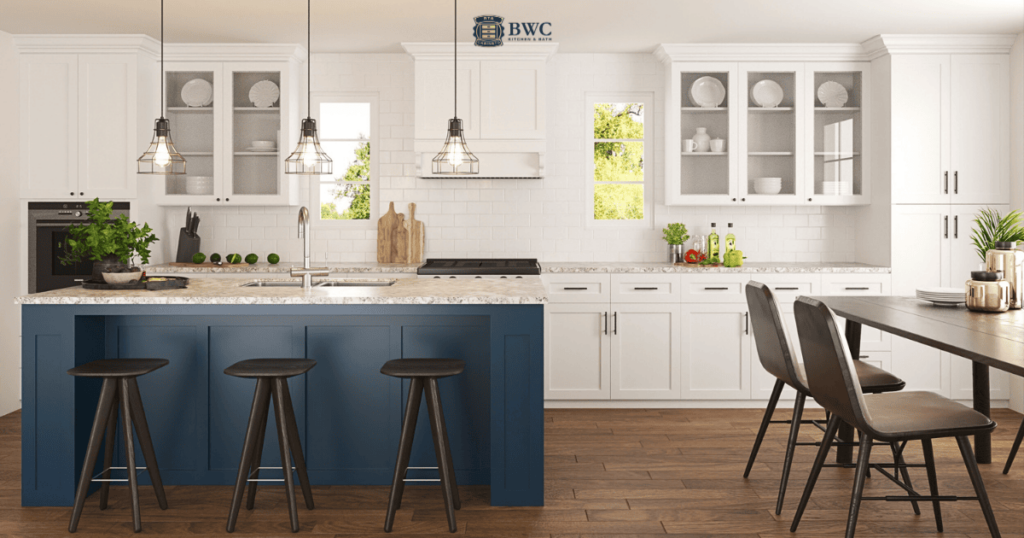
The agent’s advice depends on what the cabinets are. If the boxes are solid and only the look is dated, refacing the doors or simply repainting can be enough, cheap and high-return. If the cabinets are damaged, badly laid out, or beyond a cosmetic fix, replacement is the call, and here the agent’s warning is about cost: spend too much and the sale cannot give it back. That is exactly where affordable ready-to-assemble lines earn their place. A seller can install fresh, quality shaker cabinets, neutral white for the safe play, or a confident accent like navy blue shaker cabinets on an island or lower run, while keeping the spend well under the value the updated kitchen adds.
Low-Cost Kitchen Upgrades That Add Resale Value
After cabinets, the agent points at a short list of low-cost, high-visibility fixes. Fresh neutral paint on the walls. Updated lighting, especially under-cabinet fixtures, which make a kitchen read as finished in person and in photos. Modern, matching hardware and faucet, a small spend that quietly modernizes the whole room. And clean, current countertops where the existing ones are visibly dated. Every item on that list shares one trait: it changes what a buyer sees and judges in the first ten seconds.
Kitchen Upgrades That Waste Money Before a Sale
This is the part sellers do not expect, and the part that separates a good agent from a yes-man. Plenty of kitchen spending returns almost nothing at sale, and a candid agent will talk you out of it.
The most common trap is making it yours. Bold colors, unusual finishes, a very specific design vision, these please the seller and shrink the buyer pool, which can pull the price down rather than up. The second trap is over-building for the neighborhood: drop luxury appliances or premium stone into a mid-market home and the buyers in that tier simply will not pay the premium back. The third is the specialty splurge, the pot-filler faucet, the built-in wine fridge, things that cost real money and return little because few buyers value them. The agent’s rule of thumb is blunt: you are not decorating for yourself, you are removing reasons for the widest possible group of buyers to hesitate.
Frequently asked questions about kitchen upgrades for resale
What one kitchen upgrade adds the most value before selling? Updating the cabinets, almost always. They are the largest visible surface, so their condition shapes a buyer’s impression of the room more than anything else, which makes them the highest-impact dollar in the kitchen.
Should I replace the cabinets or just refinish them? Depends on the boxes. Sound boxes that only look dated can be refaced or repainted cheaply. Damaged, poorly laid-out, or worn-out cabinets justify replacement, with cost kept controlled so the sale can return it.
Will new cabinets actually pay for themselves? At a controlled cost, they generally support the price by erasing a buyer’s biggest objection to a dated kitchen. Using a cost-effective line like RTA is how sellers keep the spend below the value added.
What kitchen money should I not spend before selling? Over-personal finishes, luxury that overshoots the neighborhood, and niche fixtures few buyers want. These return little, because resale rewards broad appeal, not personal taste.
What cabinet color sells best? Neutral, with white shaker is the safest. Its familiarity reaches the largest pool of buyers, while a tasteful accent color used sparingly can add character without narrowing appeal.
The throughline in everything the agent says is the same: spend where buyers look first and judge fastest, keep the cost low enough that the sale gives it back, and resist the urge to renovate for your own taste on the way out the door. Handle the kitchen that way and it does its job, holding up the price of every other room in the house.
More Stories
Bathroom Layout Gone Wrong? Redesign Ideas to Improve Bathing Space Functionality
Small Kitchen Showroom Layout Tips: Maximize Display Space Without Sacrificing Style
The Hotel-Style Bathroom Details That Actually Work at Home
Designing a Custom Kitchen Remodel You Will Love for Years