
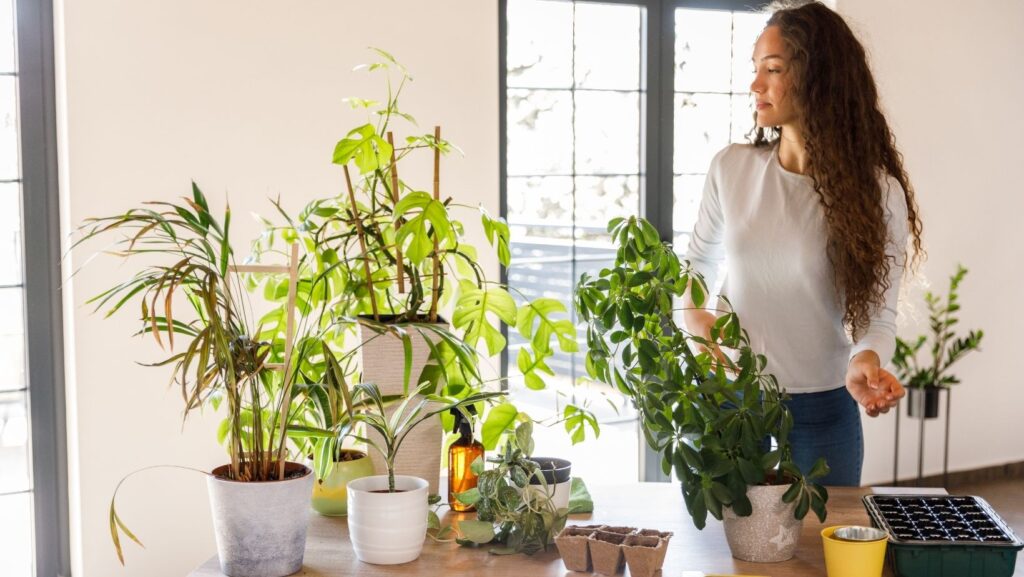
From cheerful African violets perched on a sunny windowsill to elegant potted orchids gracing a coffee table, indoor flowering plants have a remarkable ability to make any room feel more alive. Unlike foliage houseplants grown primarily for their leaves, flowering houseplants earn their place through their blooms—and that distinction brings a different set of care requirements with it. Environmental psychology research consistently links living plants indoors to reduced stress and a stronger sense of connection to the natural world, and flowering varieties add a visual dimension that foliage alone rarely achieves. This guide walks through how to choose the right plants, create the conditions they need, and encourage blooms that return season after season.
Understanding Indoor Flowering Houseplants
Not all flowering houseplants are alike, and knowing a bit about how they grow can save a lot of frustration. Many popular species fall into two broad categories: epiphytes, such as most orchids, which grow naturally on tree bark and thrive in airy, bark-based media; and terrestrial plants, like African violets and begonias, which root in soil. Both groups follow defined bloom cycles—periods of active growth, flowering, and rest—and working with that rhythm rather than against it is essential. A common misconception is that an orchid has “died” once its flowers drop. In reality, the plant is simply entering a rest phase and may produce entirely new flower spikes when conditions are right.
Choosing the Right Plant for Your Home
Before buying any flowering houseplant, take an honest look at your environment. The key factors worth evaluating are:
- Light level (window direction and how far the plant will sit from the glass)
- Temperature stability (drafts from heating vents or cold windows)
- Humidity (dry air from heating or air conditioning systems)
- Maintenance time (how often you can realistically water and check on plants)
Matching a plant’s needs to your actual conditions—not some idealized version of them—is the single most important step before making a purchase. A beginner who overwatered a peace lily in a dim corner will have a very different experience than someone who groups humidity-loving tropicals near a bright east-facing window. Resist impulse buys; the plants most likely to thrive are those whose requirements genuinely fit your home and routine.
Light: The Foundation of Repeat Blooming
Most flowering houseplants need more light than foliage varieties to produce buds reliably. Bright indirect light—bright enough to read comfortably without switching on a lamp—suits a wide range of popular species. Too little light typically results in lush leaves but no blooms; too much direct sun can scorch foliage and shorten flower life considerably. East-facing windows offer gentle morning light, while placing plants a few feet back from a south or west window, filtered through a sheer curtain, works well for more light-sensitive species.
When blooms are sparse or absent, more light—within reason—is usually the first thing to address.
Watering, Humidity, and Avoiding Common Mistakes
Overwatering remains the most frequent cause of indoor plant decline, and it’s often well-intentioned. Signs include yellowing leaves, soft or mushy roots, and an uptick in fungus gnats. Underwatering looks quite different: wilting, crispy leaf edges, and buds dropping before they open. A simple finger test—checking whether the top inch of potting mix has dried out before reaching for the watering can—helps calibrate frequency far better than a fixed schedule. Never leave pots sitting in standing water, and always empty saucers after drainage.
| Sign | Likely Cause |
|---|---|
| Yellowing leaves, soggy soil | Overwatering |
| Wilting, dry soil, dropping buds | Underwatering |
Tropical flowering plants, including most orchids, prefer moderate to high humidity. Grouping plants together or setting pots on a pebble tray with water kept just below pot level raises ambient moisture without putting roots at risk of rot.
Feeding, Potting Mix, and Containers
Repeat blooming demands adequate nutrients. A balanced, water-soluble fertilizer applied at reduced strength during active growth supports healthy flowering; feeding should taper off or stop entirely during rest periods. Most flowering houseplants do well in a well-draining general houseplant mix, while epiphytic species like orchids typically need chunky, bark-based media that replicates the open, airy conditions of their natural habitat. Heavy garden soil has no place indoors—it compacts over time, drains poorly, and creates ideal conditions for pests.
Always use containers with drainage holes. If roots are circling the inside of the pot, water rushes straight through without being absorbed, or a plant’s vigor declines despite consistent care, it’s likely time to repot.
Encouraging Repeat Flowering
Many flowering houseplants are perfectly capable of blooming, resting, and blooming again—provided conditions remain favorable throughout. Removing spent flowers promptly, maintaining consistent light and watering habits, and avoiding sudden changes in location while a plant is budding all support re-blooming. Some species respond well to a slight drop in nighttime temperature or a brief reduction in watering during their rest phase. University extension programs and botanic garden care guides are excellent, reliable sources for species-specific reblooming strategies.
Key takeaway: Consistent, appropriate care over time—not quick fixes—is what leads to repeat flowering.
Troubleshooting: When Blooms Don’t Appear
When a plant simply refuses to bloom, these are the right questions to start with:
- Is it receiving enough light?
- Has it been fertilized during the growing season?
- When was it last repotted?
- Could it simply be moving through a normal rest phase?
Insufficient light is the most common culprit by far. If yellowing, spots, or wilting persist after adjusting watering and light, pests or disease may be involved; in those cases, a local garden center or cooperative extension service will offer far more reliable guidance than guesswork.
Learning as You Go
Successful indoor flowering plant care comes down to understanding each plant’s needs for light, water, nutrition, and rest—not rigidly following a one-size-fits-all schedule. Starting with one or two species well-suited to your home’s actual conditions, keeping brief notes on what works, and adjusting gradually is a far more effective approach than trying to manage a large collection all at once. Small improvements in light placement or watering habits often produce noticeably healthier plants and more blooms over time. When questions arise, reputable horticultural resources and local expertise remain the most trustworthy guides on that journey.
More Stories
Simple Finishing Touches That Elevate Your Home’s Interior Design
Why a Spa-Style Shower Upgrade Is One of the Smartest Small Renovations Before You List
Designing Comfortable Kitchen and Home Bar Seating: Layout, Ergonomics, and Everyday Practicality
Bathroom Layout Gone Wrong? Redesign Ideas to Improve Bathing Space Functionality