
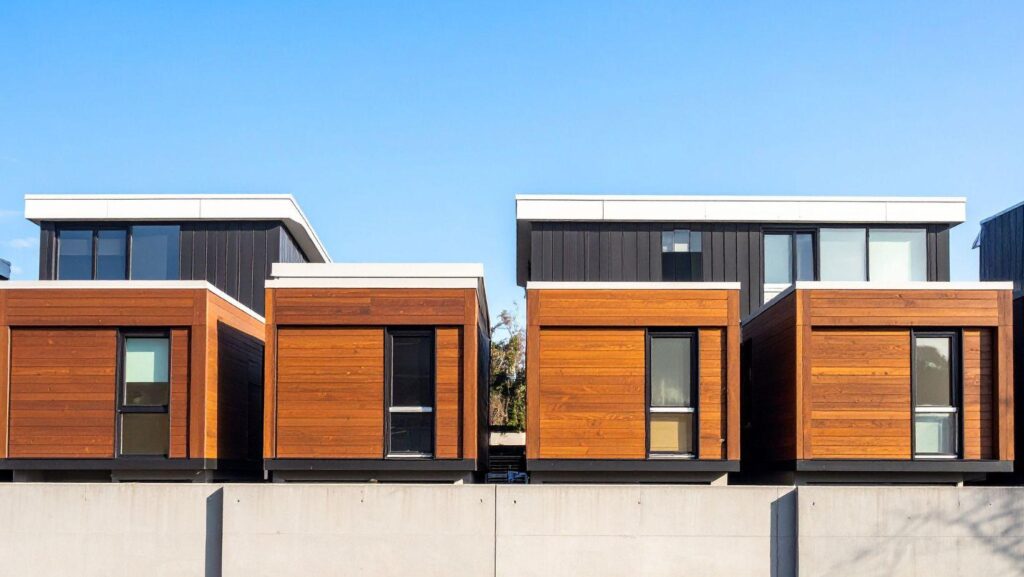
Shopping for a modular home usually starts with a number: how much someone can actually spend. What a lot of first-time buyers don't realize is that the dealer they choose affects that number almost as much as the home itself does. Two buyers with the same budget can end up with very different total costs, very different financing terms, and very different experiences getting from a signed contract to a finished home, depending entirely on who they bought from.
What “Budget” Actually Means for a Modular Home
The price on a floor plan is rarely the full picture. Delivery, site preparation, foundation work, utility hookups, and installation all sit outside the base price in a lot of listings, and buyers who don't ask about them upfront often end up thousands of dollars past what they planned for. Rocket Mortgage's own breakdown of manufactured home costs confirms this pattern directly, noting that foundation work alone can run several thousand dollars, and that utility hookups on undeveloped land can add up quickly on top of the home's base price. A dealer who lists factory-direct pricing with delivery included from the start, rather than adding these costs later in the process, makes budgeting dramatically more predictable. Home Nation's listings, for example, show delivery-included pricing rather than quoting a bare unit price and leaving buyers to guess at everything else.
A Few Dealers Worth Comparing
There's more than one nationwide or regional name in this space, and buyers doing real due diligence tend to look at more than one option before deciding. Here's how a few of them position themselves, based on what each publishes about their own operations.
Home Nation
Home Nation operates dealership locations across Florida, Indiana, Ohio, Michigan, and Georgia, with factory-direct pricing that includes delivery, financing support through multiple lending partners, and installation coordination through licensed local contractors. Browse current modular homes with prices to compare floorplans and square footage across available models.
Titan Homes
Titan Homes, operating as Titan Factory Direct, serves Texas, Oklahoma, New Mexico, and parts of the Southeast, with sales centers in each. It's a division of Champion Homes, and its listings note that homes are held to Champion's manufacturing standards even though Titan operates as the retail-facing brand in its markets.
Champion Homes
Champion Homes functions primarily as a manufacturer, one of the largest in the country, but also has retail-facing operations in some markets, including its ownership of Titan Homes. Buyers considering Champion directly are often looking at a more manufacturer-centric experience than a dedicated retail dealership.
Factory Homes
Factory Homes appears in various regional forms across the country, and buyers researching this name specifically should confirm which regional operation they're actually looking at, since coverage area, financing partners, and included services can vary considerably by location under similar-sounding names.
The right choice among any of these usually comes down to which one actually operates in a buyer's state, what their published pricing includes versus what gets added later, and how directly they'll coordinate financing and installation rather than leaving buyers to manage those pieces separately.
What Separates a Transparent Dealer From a Vague One
Price transparency sounds like a given, but it isn't universal in this industry. Some dealers advertise a low base price, then add "the basics," site work, appliances, skirting, as options that push the real cost well past the advertised number. Others build a fuller picture into the initial quote, so the number a buyer sees early on is closer to what they'll actually pay.
Asking a dealer directly what's included in a quoted price, and what typically gets added later, is one of the simplest ways to tell which kind of dealer someone is working with before signing anything.
Delivery, Installation, and the Costs Buyers Forget
A modular home doesn't just need to arrive. It needs a prepared site, a foundation that meets local code, professional installation, and utility connections before anyone can actually move in. Dealers vary widely in how much of this they coordinate directly versus leaving buyers to find and manage their own contractors.
A dealer with construction consultants or an installation coordination team tends to save buyers from a genuinely stressful part of the process: finding contractors, scheduling them around a delivery date, and making sure the site is actually ready when the home shows up. That coordination has real value even when it doesn't show up as a separate line item on a quote.
It's also worth asking, specifically, whether a dealer's quoted price includes site work like grading, a septic or well connection, and driveway access, or whether those get treated as the buyer's separate responsibility to arrange. Buyers who assume "delivery included" covers all of this sometimes discover otherwise partway through the process, at which point switching contractors or renegotiating costs is far more disruptive than it would have been to ask on day one.
Warranty Coverage Worth Actually Reading
Most new manufactured and modular homes come with a standard 12-month manufacturer's warranty, and some dealers offer an extended warranty, often up to seven years, as an additional purchase. For a budget-conscious buyer, that extended coverage can be worth serious consideration, since it shifts the cost of an unexpected repair from an out-of-pocket expense a few years in to something already accounted for in the original purchase.
Reading exactly what a warranty covers, and for how long, before comparing dealers on price alone is worth the extra ten minutes it takes.
Coverage Area: Why It Matters More Than People Think
A dealer's service area affects far more than convenience. Local delivery logistics, familiarity with a state's specific building codes and permitting process, and access to installation contractors who already know the area all tend to be stronger when a dealer has real, established presence in that state rather than shipping in from somewhere unfamiliar with local requirements.
Home Nation operates across Florida, Indiana, Ohio, Michigan, Illinois, Georgia, and Arizona, which means buyers in those states are working with a dealer that has direct, local experience with permitting and installation requirements specific to where they're building, not a generic national process applied the same way everywhere.
The Bottom Line for Budget-Conscious Buyers
Choosing a modular home dealer on price alone misses most of what actually determines the total cost and stress level of the purchase. Financing terms, transparency about what's included, installation support, warranty coverage, and local market knowledge all affect the real budget picture just as much as the sticker price on a floor plan. The buyers who end up happiest with the process tend to be the ones who asked about all five before signing anything, not just the one that's easiest to compare at a glance.
More Stories
How to Plan a Home Improvement Project Before You Start
How U.S. Regulations Affect Canadian Trucking Operations
Best Construction Time Tracking Software in 2026
5 Best Websites to Buy Land Online in 2026