

Quick Answer
U.S. regulations shape nearly every part of a Canadian carrier’s cross-border trip. Rules on cabotage, hours of service, electronic logging, and carrier identification all apply the moment a truck enters the United States. Tariffs and customs paperwork add another layer. Canadian operators who track these requirements closely, keep documents accurate, and train their teams tend to avoid costly delays, fines, and held shipments at the crossing.
Introduction
Picture a loaded trailer sitting at a Michigan crossing while the clock runs. The driver did everything right on the road, but one mismatched form three days earlier pulled the shipment into secondary inspection. For Canadian carriers, that scene plays out far too often.
Running freight south of the border means following two rulebooks at once. Once a truck crosses, U.S. federal rules take over, covering everything from logging hours to what a driver can legally haul between American cities. Getting this right protects your margins, and experts like https://www.steelesgroup.com/ can help businesses sort through the financial side of operating across two systems.
The stakes have climbed lately. Fresh tariffs, tighter enforcement, and updated carrier rules have made the corridor less forgiving than it was just two years ago. Most of these problems are preventable with the right preparation, and the sections ahead break down exactly what to watch.
The U.S. Rulebook Behind Canada US Trucking Regulations
The biggest adjustment for Canadian fleets is that crossing the border swaps one set of laws for another. American federal agencies set the terms, and the differences are not small. Canada US Trucking Regulations diverge in ways that can catch drivers off guard, so knowing each rule before the trip beats learning it roadside.
Cabotage Rules and What You Can Legally Haul
Cabotage is the most misunderstood regulation in the business. In plain terms, a Canadian carrier cannot pick up a load in one American city and drop it in another. The cargo has to cross an international border. A driver hauling freight from Toronto can deliver to several U.S. stops, but cannot grab a domestic-only shipment between Chicago and Detroit.
Breaking this rule carries real penalties:
- Vehicle and cargo seizure by border authorities
- Fines starting at around $2,000 for a first offence
- Denial of entry on future crossings
- Possible loss of operating authority
Empty trailer repositioning between two U.S. points is allowed, which gives carriers some room to plan return loads.
Hours of Service Limits on Each Side of the Border
Driving-time limits change once a truck enters the United States. Drivers follow whichever country’s rules apply to where they are. The contrast is worth memorizing:
|
Rule |
Canada |
United States |
|
Max daily driving |
13 hours |
11 hours |
|
Daily work window |
14 hours |
14 hours |
|
Required rest after |
10 hours off |
10 hours off |
A driver legal under Canadian limits could still break U.S. caps on the same day, which makes accurate logging the foundation of trucking compliance across the whole route.
FMCSA Carrier Identification and Equipment Standards
Two recent shifts matter for any fleet running south. As of October 1, 2025, the FMCSA fully switched to the USDOT Number as the single carrier identifier and retired the older MC Number system. Fleets should confirm their paperwork reflects the change.
Equipment standards are tightening, too. Heavy trucks operating in the U.S. now face a phase-in of Automated Emergency Braking systems, and a federal speed limiter mandate remains under active discussion. Carriers buying or leasing new equipment should plan for these features now rather than retrofitting later.
Electronic Logging Devices Certified for Both Countries
Both countries require ELDs, but the devices have to be certified for each jurisdiction. A unit that satisfies Canadian standards will not automatically meet U.S. technical specifications. Canadian carriers running south must use an ELD that is self-certified and registered with the FMCSA, and the device has to display the driver’s records for officials on either side of the line.
These four areas form the backbone of what changes at the crossing. The paperwork and trade rules surrounding each load deserve their own close look.
Customs Documentation, Tariffs, and Border Preparation
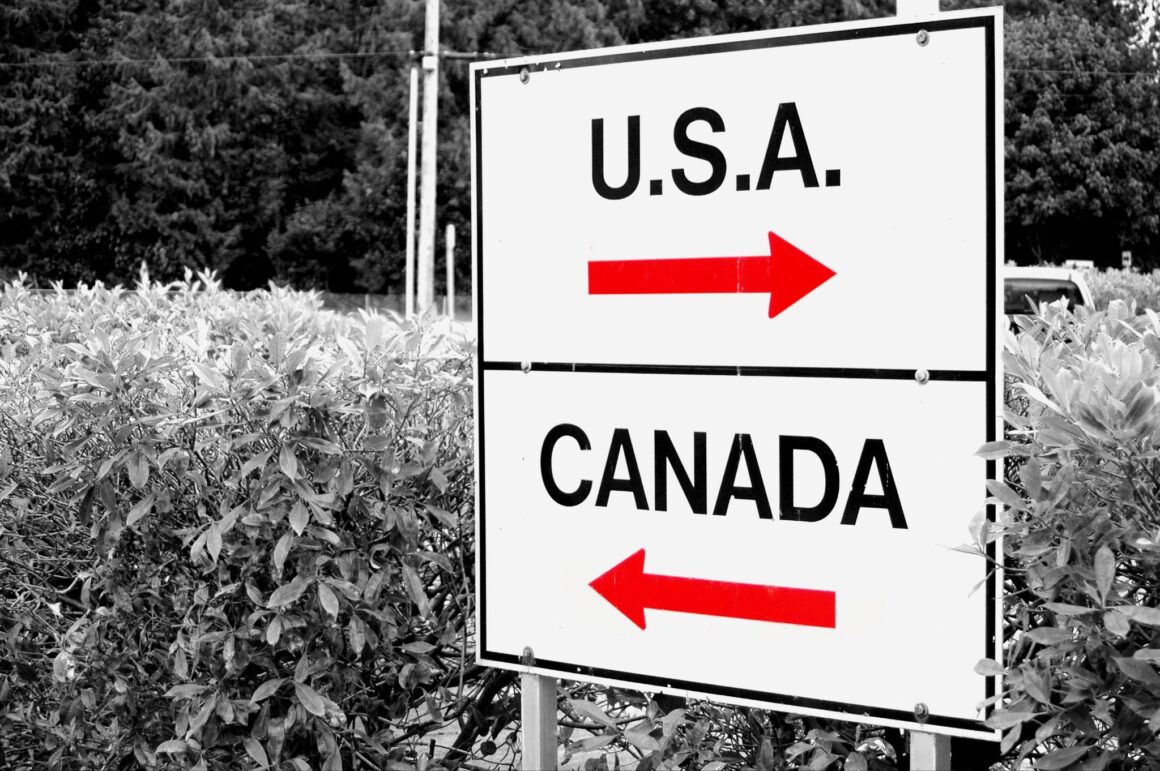
Knowing the rules is one part of the job. The documentation and trade math that decide whether a load clears quickly make up the rest. Most delays in cross border shipping trace back to a small error made days before the truck ever reaches the line.
Getting Customs Documents Right Before Departure
Border officers cannot waive a shipment through when the paperwork does not match. The commercial invoice, bill of lading, and customs forms all need identical details. A one-off declared value or a vague product description is enough to trigger a secondary inspection. The fix is timing. Bring your customs broker into the process before the truck leaves, not after it is parked at the crossing.
Core documents every driver should carry include:
- A passport, Enhanced Driver’s Licence, or NEXUS card
- A valid Commercial Driver’s Licence
- Bill of lading and matching the commercial invoice
- Permits for hazardous materials, where they apply
Carriers enrolled in the FAST program clear faster, since the driver and shipment are pre-screened as low risk.
How Tariffs Reshape Cross Border Trucking Costs
Trade rules now sit at the centre of cross border trucking economics. Recent duties on certain goods have reshaped freight volumes on key lanes, and a load that qualifies for duty-free treatment under the trade agreement moves very differently from one that does not. Carriers should know which products on their lanes qualify and which suppliers can produce origin documentation on demand. Fleets operating under bond should also review their bond amounts, because higher duty values can leave existing coverage short and hold shipments until more security is posted.
Building a Backup Into Every Border Crossing
A tight market means fewer trucks and less room for error. Smart shippers keep more than one carrier on their cross-border lanes. Not because they expect failure, but because one carrier’s bad week should not become their emergency. Treating border crossing for trucks as a planned process rather than a hopeful one keeps freight moving when conditions shift.
These habits turn a stressful crossing into a routine one, which sets up the final question: what should carriers focus on first?
Final Thoughts
U.S. regulations touch every leg of a Canadian carrier’s southbound trip, from the loads a driver may legally haul to the logging device in the cab and the forms tucked in the folder. None of it is impossible to manage. The carriers who thrive treat these rules as a checklist to master, not a hurdle to fear.
Start with the basics. Understand cabotage, match your hours-of-service logs to where the truck actually is, confirm your equipment and carrier identification are current, and get your paperwork clean before departure. Layer in awareness of shifting tariffs and a backup carrier for tight weeks.
The corridor will keep changing. Operators who stay informed and prepared will keep their freight moving while less-ready competitors stall at the line.
More Stories
How to Plan a Home Improvement Project Before You Start
Finding the Right Modular Home Dealer for Your Budget
Best Construction Time Tracking Software in 2026
5 Best Websites to Buy Land Online in 2026