
If you’ve sat through a few open houses lately, you’ve probably noticed the bathroom gets more scrutiny than almost any other room in the house. Buyers open the shower door. They touch the faucet. They notice if the grout is dingy or if the whole space still looks like it was finished in 2004. A kitchen renovation gets more attention in listing photos, but the bathroom is where a lot of buyers quietly make up their minds about whether a home feels move-in ready or like a project.
That’s part of why bathroom renovations keep showing up near the top of the list when Realtors are asked which upgrades buyers are responding to. According to the National Association of Realtors‘ most recent Remodeling Impact Report, bathroom renovation was among the projects agents most frequently identified as seeing rising buyer demand for, right alongside kitchen upgrades and new roofing. Sellers don’t need a full gut renovation to capture that interest — sometimes a targeted update to the shower itself is enough to shift a bathroom from “dated” to “impressive” in a buyer’s mind.
Why the Shower Specifically Matters So Much
Of every fixture in a bathroom, the shower does the most work in shaping a buyer’s first impression. It’s usually the largest single surface in the room, it’s the thing buyers physically step into and inspect, and it’s the fixture most likely to show visible age — foggy glass, worn caulk, a showerhead that looks like it came standard with the house thirty years ago.
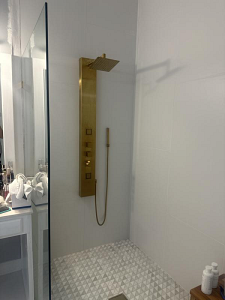
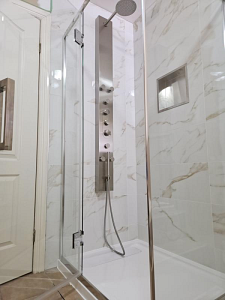
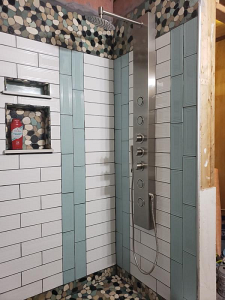
A shower panel system addresses that directly. Rather than a single showerhead on a wall, a shower panel combines a rainfall showerhead, adjustable body jets, and often a handheld sprayer into one wall-mounted unit with a cohesive, modern finish. It reads immediately as an upgrade, the same way a waterfall kitchen faucet or a matte black cabinet pull signals “this house has been cared for” without a buyer needing to ask a single question.
The Retrofit Advantage for Sellers on a Timeline
The part that matters most for anyone preparing to sell soon is that this upgrade doesn’t have to mean tearing into plumbing. Retrofit shower panel systems are designed to connect to an existing shower valve, which means a seller can often complete the swap in an afternoon rather than scheduling a plumber for a multi-day job. That’s a meaningful difference when you’re working against a listing date rather than planning a years-out renovation.
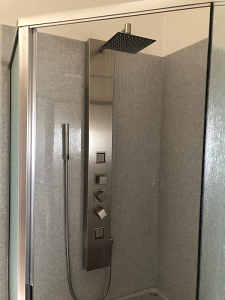
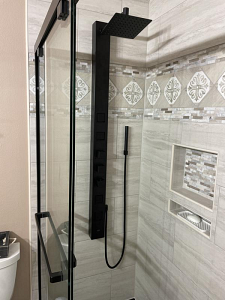
VIGO’s shower panel collection is a useful example of how this category has developed. The lineup includes both classic wall-mount systems for new installations and retrofit panels built to work with existing plumbing, in finishes like matte black, matte brushed gold, and stainless steel — the same finish families buyers have come to associate with a recently updated bathroom. Each panel pairs a rainfall shower head with multiple massage body jets, so the visual impact of the upgrade matches the functional one.
What to Consider Before You Buy One
A few practical things are worth checking before choosing a shower panel, whether you’re prepping a listing or updating a bathroom you plan to keep living in for a while.
Water pressure matters more with a multi-jet system than with a single showerhead, since you’re now running water through several outlets at once. Most manufacturers list a minimum pressure requirement, and it’s worth confirming your home’s plumbing meets it before installing anything with more than two or three jets. Existing valve compatibility is the next thing to check if you’re going the retrofit route — confirming the panel is designed to connect to a standard shower valve rather than requiring a specific brand or configuration saves a lot of back-and-forth during installation. Finish consistency with the rest of the bathroom is worth a quick look too; a shower panel in matte black next to chrome faucets and cabinet hardware can look more like a mismatch than an upgrade, so it’s worth choosing a finish that either matches or intentionally contrasts with the rest of the room’s hardware. And ceiling height and installation clearance should be confirmed if the panel includes an overhead rain shower head component, since some primary bathrooms have lower ceiling heights that affect fit.
The Bigger Picture
Not every renovation pays for itself dollar for dollar, and a shower upgrade shouldn’t be framed purely as a return-on-investment calculation. But in a market where buyers are comparing multiple listings and forming snap judgments during a fifteen-minute walkthrough, a bathroom that looks and feels current does real work. It’s one of the few upgrades that’s visible in listing photos, tangible during a showing, and achievable without a full renovation timeline — which is exactly the combination sellers are usually looking for when they’re deciding where to spend limited time and budget before putting a home on the market.
If your bathroom’s biggest weak point is a shower that still looks like it belongs to the house’s original era, it’s one of the more efficient places to start.
More Stories
Designing Comfortable Kitchen and Home Bar Seating: Layout, Ergonomics, and Everyday Practicality
Bathroom Layout Gone Wrong? Redesign Ideas to Improve Bathing Space Functionality
Small Kitchen Showroom Layout Tips: Maximize Display Space Without Sacrificing Style
The Hotel-Style Bathroom Details That Actually Work at Home