
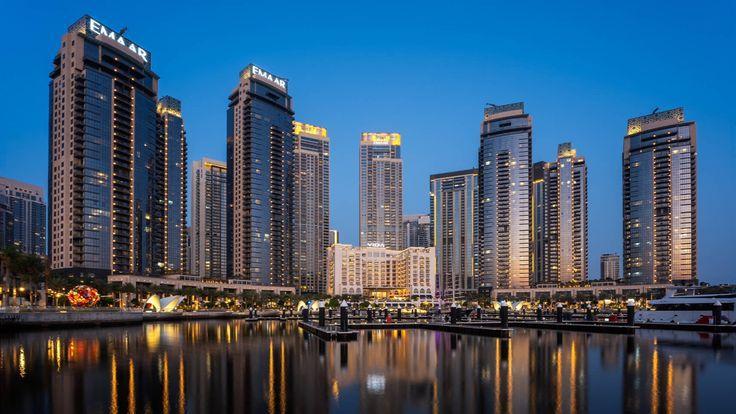
For decades, the United Arab Emirates was defined by its skyline. The focus was on height, scale, and breaking records. But as we move through 2025, a fundamental shift is taking place on the ground. The conversation has moved from “how tall can we build?” to “how well can we live?”
Property developers in the UAE are no longer just constructing buildings; they are engineering entire ecosystems. Driven by a mature market of long-term residents and a massive influx of government infrastructure spending, the new standard for urban living is integrated, sustainable, and hyper-connected.
This shift isn’t just about aesthetics. It is a response to a changing population that values lifestyle over speculation, and community over isolation.
The Drivers Behind the Transformation
The real estate market in the UAE is currently experiencing a transition from speculative investment cycles to infrastructure-backed growth. This change is fueled by massive capital deployment. In early 2025 alone, approximately AED 143 billion in construction contracts were awarded. These funds are flowing into energy systems, transport networks like Etihad Rail, and digital capacity.
Unlike in the past, where residential towers might rise in isolation, today’s property developers in the UAE are building along these new value corridors. When the government invests in the Dubai Metro Blue Line or the expansion of the rail network connecting the seven emirates, residential demand follows.
The Shift to End-Users
Perhaps the most significant driver is who is buying the property. In the first half of 2025, Dubai saw AED 431 billion in deals across more than 125,000 transactions. The data shows a market dominated by end-user families and professionals planning to live in the homes they purchase.
This demographic shift has forced developers to rethink their master plans. Investors might look at yield percentages, but residents look for schools, parks, and walkability. Consequently, developers are prioritizing “liveability” metrics to attract this stable, long-term demographic.
The Rise of the 15-Minute City
The days of the isolated residential tower are numbered. The new development standard is the “mixed-use community.” Leading developers are adopting the “15-minute city” concept, where residents can access work, retail, education, and leisure within a short walk or cycle from their front door.
This approach blends residential units with commercial spaces and social hubs. It creates a self-sustaining ecosystem that offers a better work-life balance. For investors, these mixed-use developments are proving to be safer bets, often showing longer lease terms and more stable cash flows compared to single-use projects.
Technology as the Community Backbone
Smart cities are no longer just a buzzword in the region; they are an industry requirement. Modern tenants expect their homes to be as connected as their smartphones.
The Premium on Intelligence
Properties integrated with smart infrastructure are commanding a market value premium of 15-20%. This includes technologies such as:
-
IoT Sensors: Devices that monitor energy and water usage, drastically reducing utility bills.
-
AI Predictive Maintenance: Systems that alert facility managers to fix equipment before it breaks, lowering service charges for owners.
-
Digital Twins: Virtual replicas of buildings used during construction to optimize design and reduce costs.
Developers like Aldar and Emaar are leading this charge, partnering with tech giants to create cloud-based smart district management systems. These systems monitor everything from air quality to traffic flow, ensuring the community runs efficiently.
Sustainability: A Competitive Advantage
Sustainability has evolved from a regulatory compliance checklist to a key brand differentiator. With the UAE’s “Net Zero by 2050” commitment, property developers in the UAE are aggressively adopting green building practices.
In Abu Dhabi, Estidama Pearl Rating System is mandatory, pushing developers to implement smart building management systems that can reduce energy use by 30-40%. Similarly, smart irrigation systems in urban green spaces are cutting water consumption by up to 45%.
For the buyer, this translates to lower monthly utility costs and a higher resale value. Residents are increasingly asking for solar-ready infrastructure and energy-efficient climate control, viewing these features as essential for long-term living.
Wellness Communities and Branded Luxury
Two distinct trends are shaping the high-end segment of the market: wellness-first living and branded residences.
Wellness as a Lifestyle
A new category of “wellness communities” is emerging. These aren’t just apartments with a gym downstairs; they are developments where health is engineered into the architecture. Projects like The Heights Country Club & Wellness or the SHA Residences in Abu Dhabi are prime examples.
These developments feature biophilic designs, expansive green spaces, and air quality monitoring. They cater to a growing desire for longevity and vitality, offering amenities like cycling tracks, hydroponic farms, and spaces designed for mental health and mindfulness.
The Era of Branded Residences
The luxury market is also seeing a surge in branded collaborations. Developers are partnering with global fashion and automotive houses to create unique, trophy assets. For example, DAMAC has launched projects with Cavalli and Versace, while newer entrants like MERED are collaborating with Italian design icon Pininfarina to bring high-end automotive design principles to residential architecture.
These projects appeal heavily to international high-net-worth individuals. In the first nine months of 2025 alone, foreign real estate investment rose 35% to AED 6.2 billion, with buyers from 97 different nationalities participating in the Abu Dhabi market.
What Lies Ahead?
As we look toward 2026 and beyond, the divergence between Dubai and Abu Dhabi offers interesting opportunities. Dubai continues to offer rapid growth and distinct luxury niches, while Abu Dhabi is positioning itself as a hub for sustainable, family-oriented living supported by massive cultural and entertainment investments like the upcoming Disneyland on Yas Island.
For property developers in the UAE, the future is clear. Success will no longer be measured solely by square footage or height. It will be measured by the ability to create integrated, sustainable, and technologically advanced communities that people are proud to call home. The skyline may be what drew the world’s attention, but the community on the ground is what will keep them there.
More Stories
Setting Up A New Home With The Right Mattress
How Big Projects Lose Track Of Where They Actually Are
What Retrofit Sub-Slab Depressurization Teaches You About Existing Slabs
Top 10 Apartment Finder Websites for Renters (And What Makes Each One Worth Your Time)