
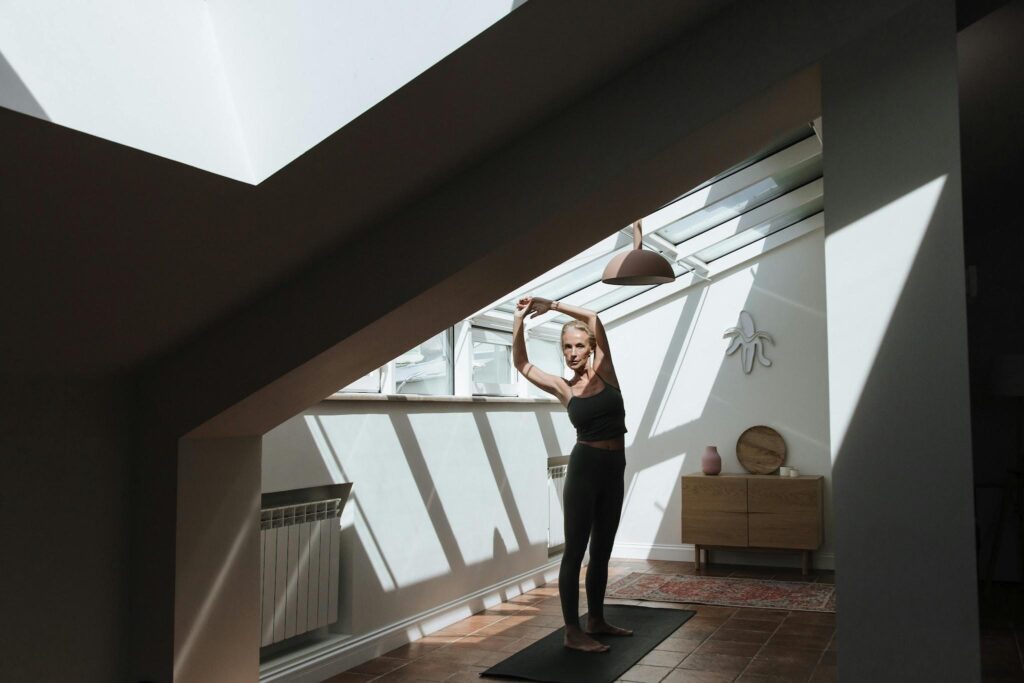
Creating a peaceful sanctuary at home has become a top priority for many people today. Transforming your living space does not require expensive remodeling or complicated technology. Simple changes can turn any room into a quiet retreat from the busy world.
Focusing on raw elements helps ground your mind and body. This approach centers on minimalist design that honors the natural world.
Shifting Away From Complex Gadgets
Many residents are moving away from complicated wellness gadgets that require constant screen time. Some people prefer natural items like premium THCA diamonds to unwind after a long day at work. True relaxation stems from straightforward elements rather than electronic tracking devices.
Choosing analog options promotes a calmer environment for everyone in the household. You can replace smart devices with simple wind chimes or basic running water fountains.
Taking a break from screens allows your nervous system to reset fully. Homeowners find that minimizing device usage in the bedroom improves sleep quality. Simple spaces encourage better rest without requiring digital assistance.
Bringing Earthy Tones Indoors
Color choices play a major role in how a room feels to its occupants. A design article pointed out that warm, earthy shades like clay or terracotta offer an immediate grounding sensation. The report added that deep blues or greens provide a calming effect in private areas.
Painting a bedroom or a study with natural colors shifts the mood instantly. Heavy saturation is not required to achieve the desired psychological benefits. Soft washes of natural paint cost under $40 a can and make a small room feel much more open and restful.
Choosing the right accents can support soothing wall colors. Small decorative pieces help tie the entire design scheme together nicely. You can integrate the elements using simple items:
- Unfinished wood picture frames.
- Clay pottery pieces on shelves.
- Woven jute rugs on the floor.
Creating Adaptable Spaces for Personal Growth
Modern homes must serve multiple purposes throughout a single day. A lifestyle website stated that current home wellness trends focus heavily on adaptability, personalization, and connectivity. Rooms should change easily to meet your shifting emotional and physical needs.
Multi-functional furniture helps clear away clutter when a particular activity ends. A yoga mat can roll up into a corner basket, or a desk can fold against the wall. Keeping the floor clear creates literal and mental space for quiet meditation.
Arranging your layout to support quiet movement changes how you interact with your home. It allows family members to find separate quiet zones without feeling completely isolated. Simple dividers like paper screens can block out visual distractions during moments of rest.
Rejecting Stressful Wellness Technology
Many individuals find that modern health devices cause more anxiety than they solve. A wellness summit report noted that the backlash against stressful, high-tech wellness will reach activist levels soon. People are choosing to clear their homes of tracking tools entirely.
Constant data monitoring creates an artificial pressure to perform well even during rest hours. Disconnecting your home network during the evening hours provides immediate relief from the pressure.
Replacing screens with books or board games creates a healthier evening routine. These activities do not emit blue light that disrupts your natural sleep cycles. Shifting to low-tech entertainment options makes the home feel much more peaceful.
Relying on Simple Textures and Fabrics
Tactile experiences heavily influence how comfortable an indoor space feels. Replacing synthetic blends with organic linen or cotton sheets improves comfort levels. Natural textiles breathe easily and feel much softer against the skin.
Stone and raw timber introduce beautiful imperfections that manufactured goods lack. Knots in wood or ridges in rock remind people of the natural life cycles outside.
Limiting the variety of textures keeps a room from looking chaotic. Sticking to 2 or 3 natural materials creates a cohesive aesthetic that feels predictable and safe. Predictability in design reduces subconscious anxiety and helps your eyes rest.
Maximizing Sunlight and Natural Ventilation
Light remains a critical component of maintaining a healthy biological clock inside a building. Opening heavy blinds early in the morning floods the rooms with natural brightness. Sunlight cues your body to wake up naturally and supports your daily energy levels.
Stale indoor air can trap dust and reduce your comfort during the day. Cracking windows open for just 15 minutes creates a cross-breeze that refreshes the entire floor. Fresh air movement removes stagnant odors without the use of artificial chemical sprays.
Positioning seating arrangements near windows allows you to enjoy changing light patterns. Watching the sun move across the floor encourages a slower pace of living.
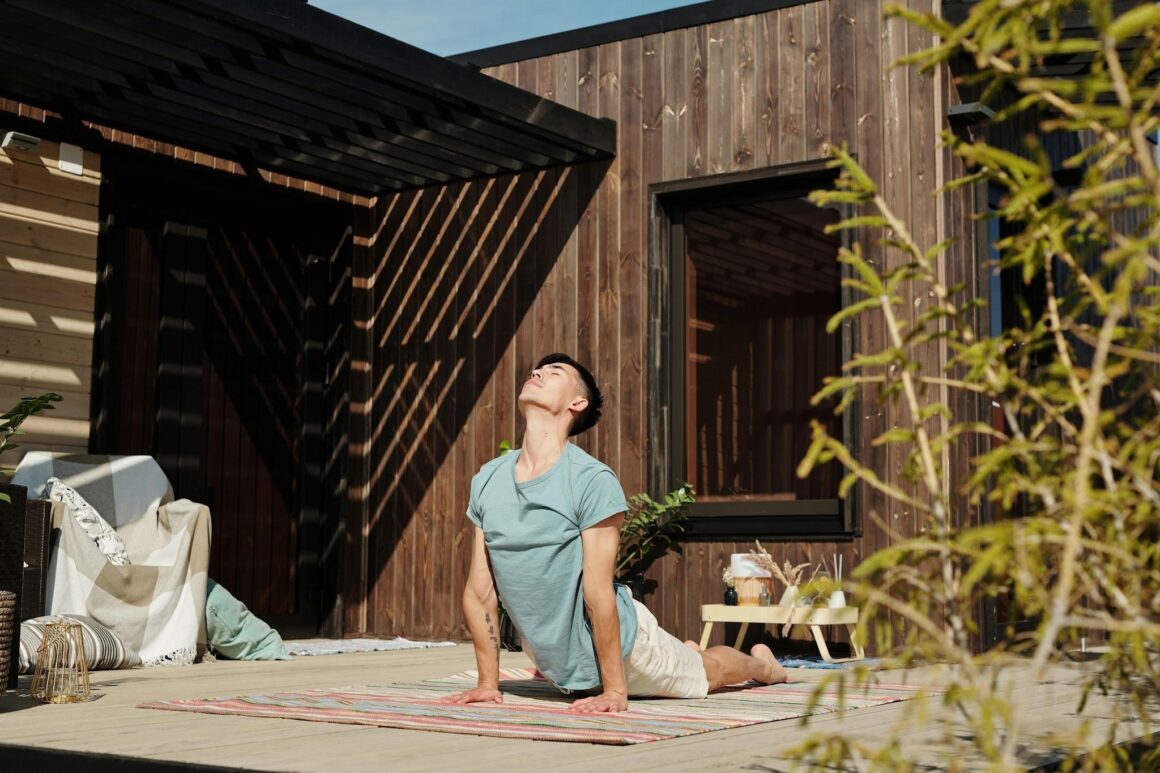
Embracing nature and simplicity inside your home changes how you face daily challenges. You do not need to spend thousands of dollars on high-tech gadgets to find peace.
Slowing down your design choices allows your mind to rest fully. By stripping away digital distractions and focusing on simple elements, you create a lasting sanctuary. Your living space can become a true reflection of the calm you want to feel inside.
More Stories
Things to Do on the Southeast Coast of Florida
Developing a Spring On Your Own Land: What It Takes, and What It Costs
HomeRocketRealty.com: The Complete 2026 Guide To Finding, Buying, And Selling Homes Faster
Container Grades and What They Mean for Purchasers