
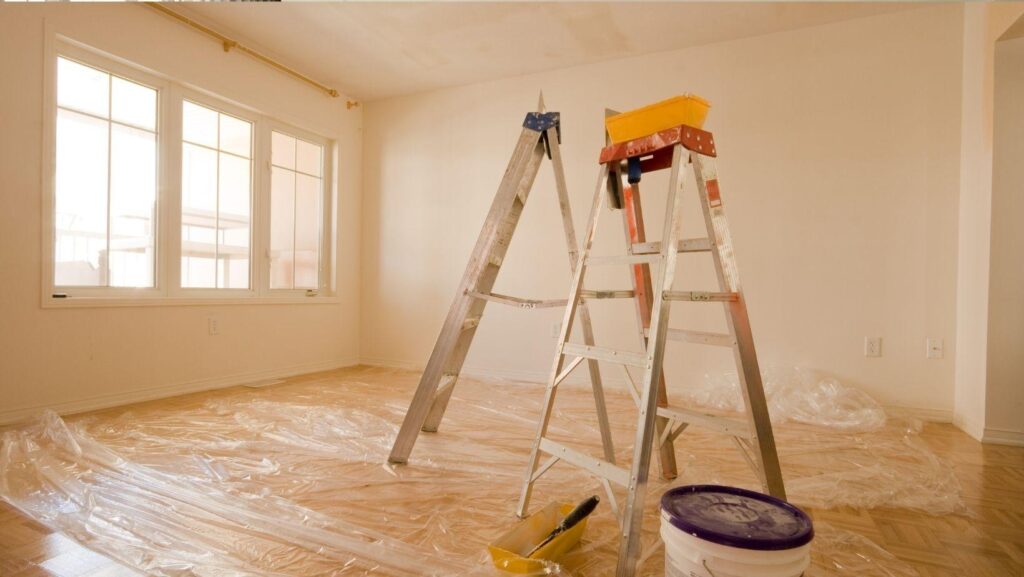
Home renovations provide an opportunity to improve the appearance and performance of a property. Many homeowners focus on aesthetics but energy efficiency and comfort are also significant factors. It is possible to create a house that uses less electricity or fuel while remaining pleasant inside – this process requires planning plus the use of materials that support temperature control and air movement.
Planning Energy Efficient Renovations
Successful projects begin when owners understand how a house uses power. It is helpful to find areas where heat or cool air escapes, like through thin insulation, old windows or gaps in the structure. Addressing these problems early allows for a plan that reduces utility costs and improves the indoor environment.
Efficiency upgrades are most effective when they match the needs of the residents. While thick insulation keeps a house warm or cool, the building also needs ventilation to prevent moisture but also poor air quality. A balanced strategy ensures that the home is both efficient and healthy for the people inside.
Improving Insulation & Airflow
Insulation is a primary tool for keeping indoor temperatures stable. When walls and attics have adequate materials, heat stays inside during the winter as well as remains outside during the summer – these conditions allow mechanical systems to work with less effort.
Airflow is another necessary part of a renovation – Even a house with good insulation is uncomfortable if the air is stagnant. Homeowners are encouraged to look at how room designs and ventilation systems affect the temperature in every area. Professional services, like Brampton AC repair, are available to help with cooling systems that impact both efficiency and comfort.
Choosing Efficient Heating & Cooling Solutions
Heating or cooling systems are the main drivers of energy consumption. Homeowners should evaluate if their current machines are the correct size for the property during a renovation. Systems that are too old or the wrong size often use more energy and fail to keep the house at an even temperature.
Modern HVAC technology supports lower energy bills without making the house less comfortable. Features like programmable thermostats and better air ducts help residents manage the environment easily – these tools allow people to change settings based on their daily routines to avoid wasting power.
Selecting the Right Windows & Materials
Windows affect how well a house performs – Old windows often let air escape, which forces the heater or air conditioner to work harder. Replacing these with insulated versions helps keep the indoor temperature steady.
Materials used in construction also influence comfort over time. Efficient doors next to roofing products help create a consistent climate inside the home. It is best to consider how every new part of the house works with the other parts rather than looking at them separately.
Considering Long Term Maintenance Needs
Renovations are most successful when owners plan for future upkeep. Many upgrades stay efficient only if they receive regular care. Scheduled inspections and cleaning ensure that new systems continue to work well after the project ends.
A renovation might not provide lasting benefits if the owner ignores maintenance. It is wise to choose solutions that are easy to take care of and meet long term goals – this method protects the money spent on the renovation plus keeps the house comfortable.
Conclusion
Balancing efficiency and comfort requires careful thought about how different upgrades function together. Owners can create a responsible and pleasant home – focusing on insulation, air movement, HVAC systems but also quality materials. Making informed decisions during a renovation improves the experience of living in the home and provides value for a long time.
More Stories
6 Tips to Help Your Cary, NC Home’s Air Quality Improve
How To Contact HomeRocketRealty.com: The Fast, Complete Guide For 2026
Why Regular Window and Eavestrough Cleaning Protects Your Home
How To Email Your HomeRocketRealty Manager: Templates, Where To Find The Address, And Follow‑Up Tips (2026)