
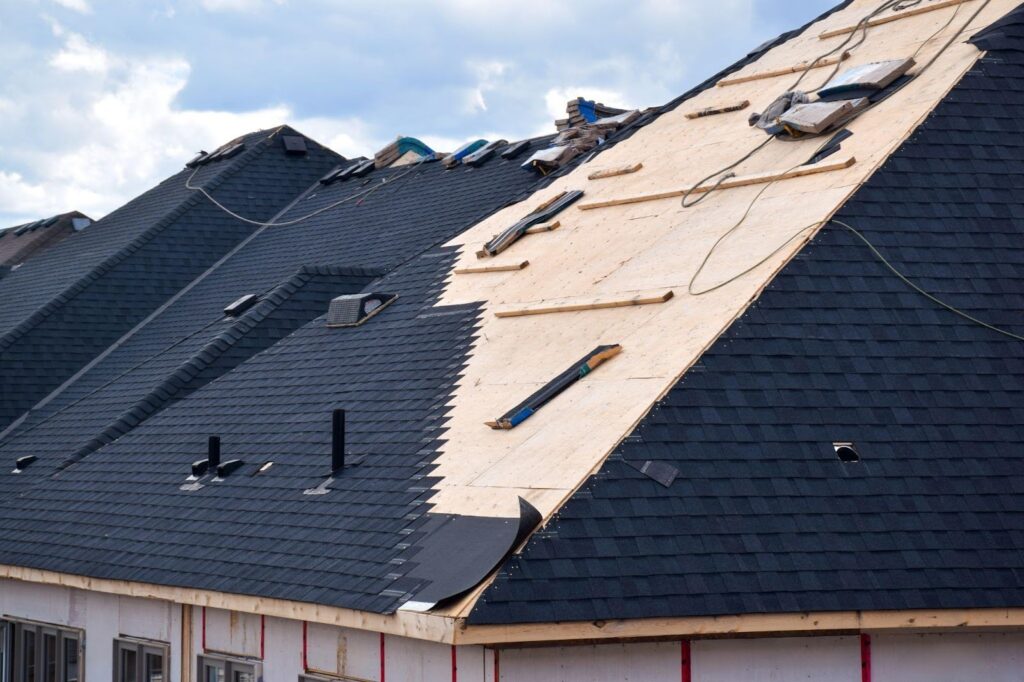
Your roof is your home’s first line of defense against wind, rain, heat, and storms. When it fails, everything underneath is at risk. According to the Federal Emergency Management Agency, severe weather causes billions of dollars in property damage in the United States each year. A properly installed roof significantly reduces that risk.
Choosing the right roof replacement contractor is not just about price. It is about protecting your home, your investment, and your peace of mind. Here is a step by step guide to help you make a confident decision.
Step 1: Confirm They Truly Specialize in Roof Replacement
Not every roofing company specializes in full replacements. Some focus primarily on repairs. Replacement projects require deeper expertise because they involve:
- Full tear off and disposal
- Deck inspection and structural repairs
- Underlayment installation
- Ventilation adjustments
- Code compliance updates
Ask how many full roof replacements they complete each year. Established companies like Kymand Roofing often have dedicated crews specifically trained for complete system replacements, not just surface level fixes.
Step 2: Verify Licensing and Insurance
This step is non negotiable.
A legitimate contractor should provide:
- State or local business license
- General liability insurance
- Workers’ compensation insurance
Without proper insurance, you could be financially responsible for injuries or damage during the project.
You can often verify licensing through your state’s contractor licensing board website. Taking five minutes to confirm this can prevent major legal and financial headaches.
Step 3: Look for Manufacturer Certifications
Many roofing manufacturers certify contractors who meet strict installation standards. These certifications often allow contractors to offer stronger warranty coverage.
Why this matters:
- Installation errors are one of the leading causes of premature roof failure.
- Manufacturer backed warranties provide long term protection.
- Certified contractors receive ongoing training.
Ask which roofing brands they install and whether they are certified installers.
Step 4: Evaluate Their Inspection Process
Professional roof replacement contractors do not give fast, vague estimates. They perform a thorough inspection that includes:
- Shingle condition
- Flashing integrity
- Decking condition
- Ventilation assessment
- Attic moisture check
According to the U.S. Department of Energy, proper roof ventilation helps regulate temperature and reduce energy costs. A quality contractor will evaluate ventilation as part of the replacement plan, not treat it as an afterthought.
If an estimate is given without a proper inspection, consider it a red flag.
Step 5: Compare Detailed Written Estimates
A professional estimate should clearly outline:
- Type and brand of materials
- Scope of work
- Removal and disposal process
- Timeline
- Payment schedule
- Warranty terms
Avoid contractors who provide only verbal pricing or vague summaries.
When comparing bids:
- Do not automatically choose the lowest price.
- Look at material quality differences.
- Confirm whether deck repairs are included or extra.
- Review warranty details carefully.
Cheaper upfront often leads to higher long term costs.
Step 6: Read Reviews and Ask for References
Online reviews provide insight into consistency and communication. Look for patterns rather than focusing on a single negative comment.
Also request:
- Photos of completed projects
- At least two recent references
- Addresses of local installations if possible
Reliable contractors will not hesitate to share proof of their work. When researching options, reviewing experienced Roof Replacement Contractors can help you understand what professional service standards look like in practice.
Step 7: Understand the Roof Replacement Process
Knowing what happens during installation helps you evaluate contractor professionalism.
Typical Replacement Timeline
- Material delivery
- Removal of old roofing
- Deck inspection and repairs
- Underlayment installation
- Shingle or material installation
- Flashing and ventilation installation
- Cleanup and magnetic nail sweep
- Final inspection
Most residential projects take one to three days depending on home size and weather conditions.
Professional crews protect landscaping, manage debris carefully, and perform thorough cleanup.
Step 8: Ask the Right Questions Before Signing
Before committing, ask:
- Who will supervise the project on site?
- How do you handle unexpected decking damage?
- What happens if weather delays the project?
- Is cleanup included in the contract?
- What warranty coverage is provided for workmanship?
Clear answers show organization and accountability.
Step 9: Watch for Red Flags
Be cautious if a contractor:
- Demands large upfront payments
- Refuses to provide proof of insurance
- Uses high pressure sales tactics
- Cannot provide a physical business address
- Avoids written contracts
Storm chasers often appear after severe weather events. The Federal Trade Commission advises homeowners to research contractors carefully before signing agreements following natural disasters.
Taking your time protects you from costly mistakes.
Step 10: Consider Long Term Value, Not Just Cost
A roof replacement is a major investment. National averages often range from several thousand to tens of thousands of dollars depending on materials and home size.
However, long term value includes:
- Energy efficiency improvements
- Reduced maintenance costs
- Stronger resale appeal
- Protection against structural damage
Poor installation can lead to leaks, mold growth, and insulation damage. The Environmental Protection Agency emphasizes that moisture control is critical in preventing mold issues inside homes.
Paying for quality workmanship now prevents expensive interior repairs later.
Final Thoughts
Choosing the right roof replacement contractor requires research, comparison, and careful evaluation. Focus on:
- Verified licensing and insurance
- Manufacturer certifications
- Detailed written estimates
- Strong local reputation
- Transparent communication
Your roof protects everything inside your home. Taking the time to hire qualified professionals ensures that protection lasts for decades.
When you choose experienced contractors like Kymand Roofing who prioritize quality and accountability, you invest not just in shingles, but in long term security for your home and family.
More Stories
Change Your Living Spaces: Interior Design Hacks
Designing an Office Around How Your Business Operates
How to Plan a Desert Move Without Melting Down: A Practical Guide to Relocating in Southern Utah
The Moving Mistakes Most People Only Make Once (And How to Avoid Them the First Time)