
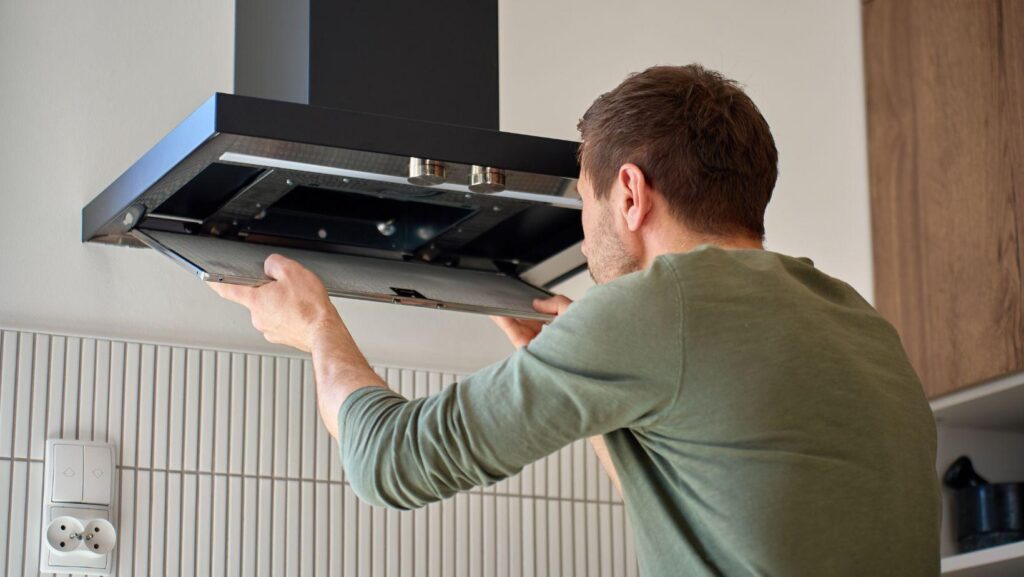
Preparing a home for sale involves dozens of decisions, from repainting walls and improving curb appeal to addressing maintenance concerns that could affect buyer confidence. One question many Atlanta homeowners face before listing their property is whether they should repair aging appliances or replace them altogether.
Major appliances such as refrigerators, ovens, dishwashers, washers, and dryers can influence a buyer’s perception of a home’s condition. A malfunctioning appliance may raise concerns about maintenance standards throughout the property, while a fully functioning kitchen and laundry room can make a home feel move-in ready.
However, replacing every older appliance before listing is not always the smartest financial decision. In many situations, strategic repairs can deliver a stronger return on investment than costly replacements. Understanding when to repair and when to replace can help sellers maximize value while keeping pre-listing expenses under control.
Key Takeaways
- Functionality often matters more to buyers than having brand-new appliances.
- Repairs are frequently more cost-effective than replacement when preparing a home for sale.
- Buyers may view malfunctioning appliances as a sign of deferred maintenance.
- Appliance age, condition, and market expectations should influence the decision.
- Professional inspections can help determine whether repairs are worthwhile.
- Strategic improvements can improve buyer confidence without overspending.
How Appliances Influence Home Buyers?
When buyers tour a property, they evaluate more than just square footage and location. Kitchens and laundry areas often receive significant attention because appliances represent both convenience and potential future expenses.
According to housing market surveys, kitchens remain one of the most influential rooms during the home-buying process. Buyers frequently inspect-
- Refrigerator condition
- Oven functionality
- Dishwasher operation
- Washer and dryer performance
- Appliance appearance
Even when appliances are not included in the sale, visible problems can affect buyer perceptions.
Common Buyer Reactions to Malfunctioning Appliances
A refrigerator that struggles to cool or a dishwasher that leaks may cause buyers to wonder-
- Has the home been properly maintained?
- Are there other hidden issues?
- What additional repairs might be needed after purchase?
These concerns can sometimes lead to lower offers or additional negotiation requests.
Why Working Appliances Matter?
Buyers generally expect appliances to function properly during inspections and walkthroughs. A fully operational appliance package can help create the impression of a well-maintained property, which often contributes to a smoother transaction process.
When Appliance Repair Makes More Sense Than Replacement?
Many homeowners assume replacement is the safest choice before listing. However, repairs are often the better financial decision.
The Economics of Appliance Repairs
Replacing multiple appliances can quickly become expensive.
Approximate replacement costs may include-
- Refrigerators- $1,000–$3,500+
- Ovens and ranges- $700–$4,000+
- Dishwashers- $500–$1,500+
- Washing machines- $700–$2,000+
In contrast, many common appliance repairs cost only a fraction of replacement expenses.
Appliances Near the Middle of Their Lifespan
Repair is often worthwhile when appliances still have useful years remaining.
Typical appliance lifespans include-
- Refrigerators- 10–15 years
- Ovens- 13–15 years
- Dishwashers- 8–12 years
- Washers- 10–13 years
For example, repairing a seven-year-old refrigerator with a faulty thermostat may be significantly more cost-effective than replacing the entire unit.
Minor Issues That Are Usually Worth Repairing
Examples include-
- Faulty door seals
- Ignition problems
- Drainage issues
- Broken sensors
- Ice maker malfunctions
- Control panel repairs
These types of issues can often be resolved quickly while preserving appliance value.
Professional Diagnosis Can Prevent Overspending
Many homeowners replace appliances without fully understanding the problem. A professional evaluation can determine whether a repair provides an affordable solution.
For homeowners getting ready to sell, the best appliance repair Atlanta option may help avoid unnecessary replacement costs while ensuring appliances are fully functional during showings and inspections.
When Replacement Is the Better Investment?
While repairs often make sense, there are situations where replacement may provide greater value.
Appliances Near the End of Their Expected Lifespan
An aging appliance that experiences frequent breakdowns may not be worth continued investment.
Examples include-
- A 15-year-old refrigerator requiring major compressor work.
- A washer with extensive bearing damage after years of heavy use.
- An oven with recurring electrical failures.
High Repair Costs
Many professionals use the “50 Percent Rule.”
If repair costs approach or exceed approximately 50% of replacement value, replacement may deserve serious consideration.
For example-
- A $1,500 refrigerator requiring an $800 sealed-system repair may not represent the best investment.
- A $1,200 washer requiring a $150 repair likely remains a strong repair candidate.
Outdated Appliances Affecting Buyer Appeal
Some older appliances can make kitchens feel dated, particularly in competitive real estate markets.
Examples include-
- Almond-colored appliances from previous decades.
- Visibly worn or damaged units.
- Appliances lacking basic modern features.
In these situations, selective replacement may improve buyer perception and help support asking price expectations.
Energy Efficiency Considerations
Modern appliances often consume significantly less energy than older models.
Newer refrigerators, dishwashers, and washers may offer-
- Lower utility costs
- Improved performance
- Better environmental efficiency
These benefits can sometimes appeal to prospective buyers.
The Appliances Buyers Notice Most
Not every appliance carries equal weight during the home-selling process.
Refrigerators
Refrigerators are among the most visible appliances in the home.
Buyers often notice-
- Cooling performance
- Ice maker functionality
- Door condition
- Exterior appearance
Premium brands such as Samsung, LG, GE Profile, Sub-Zero, and Whirlpool can positively influence perceptions when maintained properly.
Ovens and Ranges
Buyers frequently evaluate-
- Burner performance
- Oven heating consistency
- Overall cleanliness
- Control panel functionality
A properly functioning range helps create confidence in the kitchen’s condition.
Dishwashers
Dishwasher issues can raise concerns because leaks may indicate potential water damage.
Common buyer concerns include-
- Standing water
- Poor cleaning performance
- Strange noises
- Visible corrosion
Washers and Dryers
While not always included in a sale, laundry appliances still influence buyer impressions.
Signs of neglect may include-
- Excessive vibration
- Rust
- Water leaks
- Unusual operating noises
Smart Appliances
Modern buyers increasingly encounter-
- Samsung Family Hub refrigerators
- LG ThinQ appliances
- GE Smart appliances
Working smart features can enhance perceived value; while malfunctioning electronics may have the opposite effect.
A Simple Pre-Listing Appliance Strategy for Atlanta Homeowners
Rather than automatically replacing every older appliance, sellers often benefit from a structured approach.
Step 1- Evaluate Functionality
Ask-
- Does the appliance perform its primary function properly?
- Are there any obvious warning signs?
- Has it required multiple repairs recently?
Step 2- Consider Age
Compare appliance age to average lifespan expectations.
Older units with recurring issues may justify replacement.
Step 3- Calculate Repair Costs
Obtain professional estimates whenever possible.
Repair costs often reveal whether replacement is truly necessary.
Step 4- Focus on Buyer Confidence
The goal is not necessarily to create a luxury kitchen. Instead, focus on presenting a well-maintained home.
Functional appliances communicate-
- Proper upkeep
- Reduced future expenses
- Move-in readiness
Step 5- Address Problems Before Listing
Buyers tend to notice appliance issues during-
- Showings
- Home inspections
- Final walkthroughs
Resolving concerns beforehand can reduce negotiation challenges and help transactions proceed more smoothly.
Final Words
When preparing to sell an Atlanta home, deciding between appliance repair and replacement requires balancing cost, functionality, and buyer expectations.
In many situations, repairing a refrigerator, oven, dishwasher, or washer provides a stronger return on investment than purchasing brand-new replacements. Buyers generally prioritize functionality, cleanliness, and overall maintenance rather than demanding the newest models available.
By evaluating appliance age, repair costs, and overall condition, homeowners can make smarter pre-listing decisions that protect their budget while helping their property make a strong impression on potential buyers.
FAQs
Should I replace all appliances before selling my home?
Not necessarily. If appliances function properly and present well, repairs may offer a better return on investment than full replacement.
Do buyers care about appliance age?
Buyers typically care more about functionality and condition than exact age, although very outdated appliances may affect perception.
What appliances are most important before listing a home?
Refrigerators, ovens, dishwashers, and laundry appliances are often the most noticeable during showings.
How do I know if an appliance is worth repairing?
Consider its age, repair cost, performance history, and remaining expected lifespan.
Can appliance repairs help increase buyer confidence?
Yes. Fully functioning appliances often create the impression of a well-maintained home, which may positively influence buyer perceptions and negotiations.
More Stories
Change Your Living Spaces: Interior Design Hacks
Designing an Office Around How Your Business Operates
How to Plan a Desert Move Without Melting Down: A Practical Guide to Relocating in Southern Utah
The Moving Mistakes Most People Only Make Once (And How to Avoid Them the First Time)