
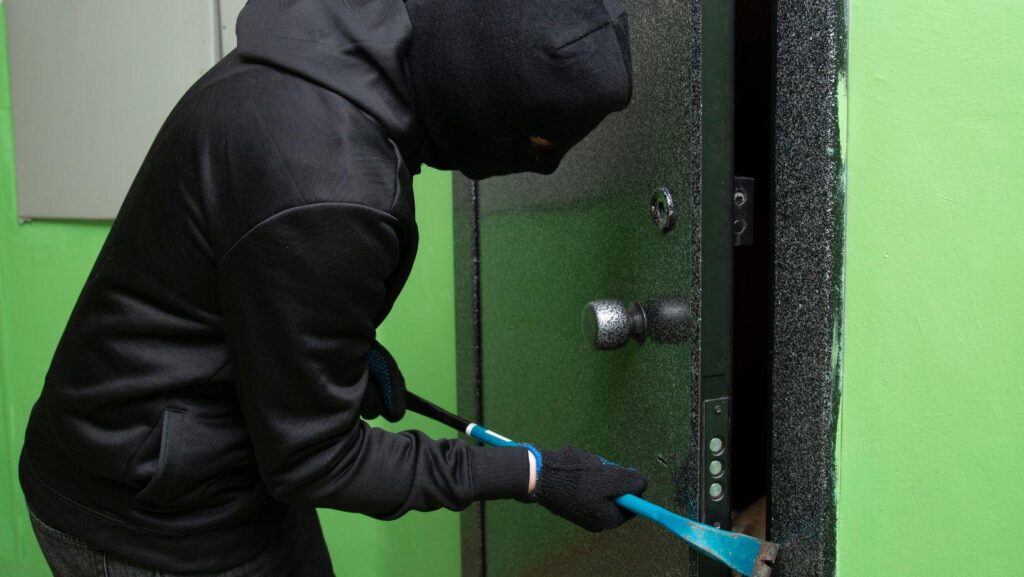
Most people imagine theft as something dramatic. A smashed lock, a break-in, or a vehicle disappearing overnight. In reality, expensive equipment often goes missing in far less obvious ways. A tool left unattended for ten minutes, machinery parked in an easy-to-access spot, or fuel quietly disappearing from storage can all create costly headaches.
The frustrating part is that theft often happens when people feel safe. Worksites, rural properties, trailers, garages, and even driveways can become easy targets if valuable equipment looks accessible. For people storing fuel or operating machinery, simple precautions such as using a lockable portable diesel tank can reduce risk and make opportunistic theft far less appealing.
Protecting expensive equipment does not need to feel overwhelming. Most losses happen because small vulnerabilities get overlooked. A few practical habits can go a long way toward reducing risk and helping valuable gear stay where it belongs.
Opportunistic theft happens more than people realise
Not every thief plans things carefully. Many simply take advantage of opportunities.
Equipment left out in the open, unsecured trailers, visible fuel storage, or tools sitting unattended can quickly attract unwanted attention. Something as simple as poor visibility from the road or a gate left unlocked can make a property more vulnerable.
People often assume theft only happens in busy urban areas, though rural properties, farms, and quieter locations are regularly targeted because fewer people are around to notice unusual activity.
Make valuable equipment harder to access
One of the easiest ways to reduce theft risk is to slow people down.
Most opportunistic thieves prefer quick wins. If something feels difficult to move, locked away, or likely to attract attention, many move on to an easier target.
Consider simple steps like:
- Locking trailers, sheds, and storage areas
- Using wheel locks or hitch locks for mobile equipment
- Keeping machinery behind gates when possible
- Removing keys from vehicles and equipment
Security does not need to be extreme to be effective. Small barriers often make a bigger difference than people expect.
Think carefully about visibility
Convenience sometimes creates risk.
Leaving expensive equipment in plain sight may feel harmless, especially on private property. Visibility often attracts attention from the wrong people, particularly if valuable gear looks easy to access.
Whenever possible, store machinery, fuel containers, or tools out of sight. Covering equipment or parking it behind fencing can reduce temptation.
Lighting also matters. Dark areas around sheds, trailers, or parking spaces give thieves more confidence. Motion sensor lights are an affordable way to improve visibility without much effort.
Keep track of what you own
Many people do not realise how difficult recovery becomes after theft.
Serial numbers, photographs, receipts, and identifying details can significantly improve the chances of recovering stolen property or supporting insurance claims.
Taking a few minutes to document equipment may feel unnecessary in the moment, yet it becomes incredibly valuable if something goes missing.
Some owners also mark equipment with identifiable paint, engraving, or tracking devices to discourage theft and make resale harder.
Build better habits around security
Security works best when it becomes routine.
Checking locks before leaving a site, storing valuable gear properly, and avoiding shortcuts around safety all help reduce unnecessary risks. Habits matter because small oversights often create the easiest opportunities for theft.
It also helps to think like someone looking for an easy target. Walking around a property or workspace and asking, “What looks simple to steal?” can reveal weak spots that are easy to fix.
Protecting expensive equipment rarely comes down to one perfect solution. Small, consistent actions usually make the biggest difference. A little preparation today often saves a great deal of frustration, expense, and stress later on.
More Stories
Change Your Living Spaces: Interior Design Hacks
Designing an Office Around How Your Business Operates
How to Plan a Desert Move Without Melting Down: A Practical Guide to Relocating in Southern Utah
The Moving Mistakes Most People Only Make Once (And How to Avoid Them the First Time)