
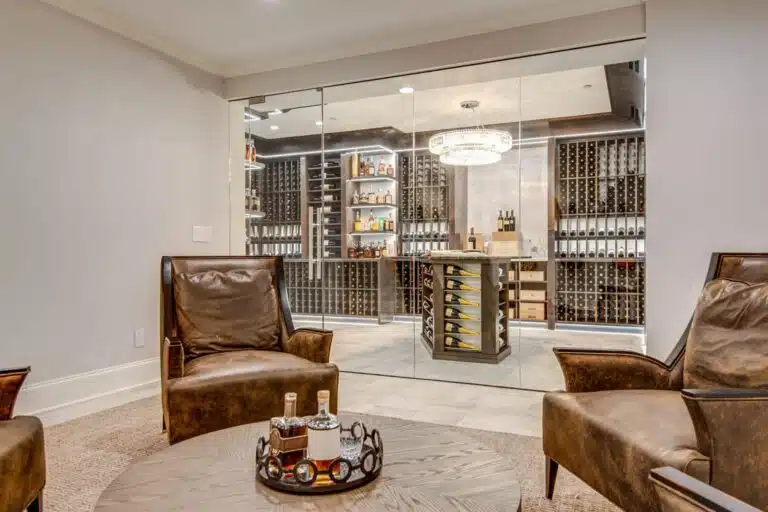
From Hidden Storage to Home Showpiece
Wine cellars are no longer tucked-away storage rooms reserved for collectors alone. In 2026, they have become a defining feature of luxury interiors, blending seamlessly into the architecture of modern-classic homes. Homeowners are increasingly viewing wine storage as part of their lifestyle design rather than a purely functional necessity.
This shift has elevated the role of professional designers who specialize in creating spaces that preserve wine properly while also enhancing the beauty and value of the home.
When Wine Cellars Became Architectural Statements
Today’s wine cellars are designed to be seen, not hidden. They are integrated into dining rooms, stairwells, kitchens, and entertainment areas, becoming natural extensions of the home’s personality.
Designers use timeless materials like aged wood, wrought iron, stone, and glass to create a sense of warmth and heritage. These elements help maintain a traditional feel while still allowing for modern creativity in layout and structure.
The result is a space that feels both nostalgic and contemporary, something that tells a story rather than simply storing bottles.
How Designers Are Elevating Classic Home Spaces
Modern wine cellar designers are combining artistry with engineering precision. Every detail is intentional, from layout planning to lighting placement.
Custom-built shelving ensures that each collection is stored securely and attractively. Climate control systems are carefully concealed within walls or cabinetry to preserve the traditional aesthetic. Lighting is designed to highlight bottles without overpowering the room’s ambiance, often using warm tones to enhance the natural textures of wood and stone.
What makes these spaces truly remarkable is how seamlessly functionality and beauty are merged. A wine cellar today is not just a storage room; it is a curated experience.
Design Trends Defining Wine Cellars in 2026
Several design directions are shaping wine cellars in 2026. One of the most popular is the glass-enclosed wine room, which turns collections into living displays while maintaining temperature stability.
Rustic European-inspired designs are also making a comeback, featuring stone walls, arched ceilings, and handcrafted woodwork. At the same time, wine walls integrated into kitchens and dining areas are becoming increasingly common in urban homes.
Another growing trend is the multi-functional wine room, where homeowners combine storage, tasting areas, and entertainment spaces into one cohesive environment. These designs reflect a shift toward lifestyle-focused interiors.
Personal Touch: Why Customization Matters More Than Ever
No two wine collections are the same, and designers are embracing this by offering highly personalized solutions. Custom shelving configurations accommodate different bottle sizes, while finishes are chosen to match the home’s overall aesthetic.
Some homeowners opt for engraved wood panels, while others prefer minimalist metal accents or reclaimed materials. The goal is to create a space that feels uniquely personal rather than mass-produced.
In many cases, wine cellars are designed to reflect a homeowner’s journey, each detail chosen to tell a story about taste, travel, and experience.
Where Tradition Meets Smart Technology
While traditional aesthetics remain important, modern wine cellars are powered by advanced technology behind the scenes. Automated climate control systems maintain perfect humidity and temperature levels, protecting valuable collections.
Smart inventory systems allow homeowners to track their wines through mobile apps, making it easier to manage growing collections. Energy-efficient cooling units are now discreetly integrated into cabinetry and walls, ensuring that technology never disrupts the visual harmony of the space.
This balance between old-world design and modern innovation is one of the defining characteristics of 2026 wine cellars.
Leading Companies Shaping Custom Wine Cellars
Several companies are setting the standard for luxury wine cellar design worldwide:
- Genuwine Cellars – A global leader in bespoke wine cellar design, known for combining architectural craftsmanship with advanced climate-controlled engineering. Their projects are recognized for luxury detailing and innovation across residential and commercial spaces.
- Heritage Vine – Specializes in modern and traditional wine rooms, offering glass wine walls and fully customized cellar environments.
- Grandeur Cellars – Known for decades of experience in designing custom wine cellars with integrated cooling systems and premium finishes.
- Prestige Wine Cellars – Focuses on high-end, detail-driven cellar designs that blend functionality with artistic expression.
- Spiral Cellars – Innovators of space-saving vertical wine cellar systems designed for compact luxury homes.
Together, these companies are redefining how wine cellars are integrated into modern living spaces.
Why Homeowners Are Investing in Wine Cellars Today
The growing interest in wine cellars is driven by more than aesthetics. Homeowners see them as long-term investments that enhance property value while elevating everyday living.
Wine collecting has also become more mainstream, encouraging people to build dedicated spaces for storage and enjoyment. At the same time, home entertaining trends have increased demand for visually impressive, functional wine rooms.
A well-designed wine cellar is now considered both a lifestyle upgrade and a status symbol.
Choosing the Right Designer for Your Home
Selecting the right wine cellar designer requires attention to detail and experience. A strong portfolio is essential, as it demonstrates the designer’s ability to balance structure, aesthetics, and functionality.
It is also important to ensure they understand climate control systems and architectural integration. The best designers work closely with homeowners and architects to ensure the final result aligns with the home’s overall vision.
The Future of Wine Cellar Design in Luxury Homes
Looking ahead, wine cellars will continue evolving into immersive lifestyle spaces. Expect to see more sustainable materials, energy-efficient systems, and compact designs tailored for urban living.
Technology will become even more seamless, but craftsmanship and tradition will remain at the heart of design. The future of wine cellars lies in their ability to merge heritage with innovation.
A New Era of Home Luxury
Wine cellar design in 2026 is about more than storage; it’s about experience, identity, and architectural expression. Designers are transforming classic homes into spaces that reflect personal taste and timeless elegance.
As this trend continues to grow, wine cellars will remain one of the most distinctive ways homeowners can blend tradition with modern luxury living.
More Stories
6 Tips to Help Your Cary, NC Home’s Air Quality Improve
How To Contact HomeRocketRealty.com: The Fast, Complete Guide For 2026
How to Balance Energy Efficiency & Comfort During Home Renovations
Why Regular Window and Eavestrough Cleaning Protects Your Home