
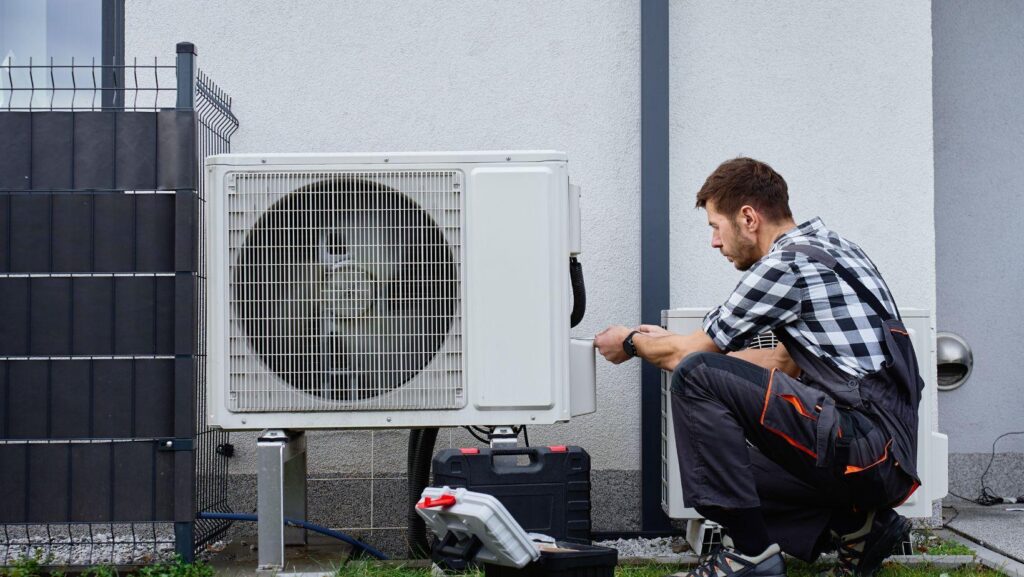
Nothing stresses a homeowner out quite like an AC that can no longer keep the house cool. The good news is that most problems are far more manageable when a trained technician catches them early. AC diagnostics are the process that makes that possible, covering everything from refrigerant levels to the compressor and condenser. Knowing what a diagnostic involves, when to schedule one, and why it matters puts you in a much better position as a homeowner.
What Is an Air Conditioning Diagnostic?
An air conditioning diagnostic is a full inspection of your HVAC system performed by a trained technician. It is not a simple filter swap or a thermostat check. The goal is to identify any issues affecting how well your air conditioner cools your home. Technicians use specialized tools and meters to measure performance, detect leaks, and assess individual components from the inside out.
What a Technician Inspects
A diagnostic covers your entire air conditioning system from start to finish. Here is what a thorough inspection includes:
That is why a full diagnostic covers the whole system, not just the component that appears to be causing trouble.
Core Components a Technician Always Checks
A technician inspects each of these during a diagnostic because one failure affects the rest:
Catching any of these issues early is far cheaper than replacing the unit entirely.
Your Air Filter’s Role in the System
A clogged air filter quietly disrupts your entire air conditioner. When airflow is blocked, the evaporator coil gets too cold and freezes over. A frozen evaporator stops all cooling, even when the system is running. Restricted airflow also forces the compressor to overwork over time, reducing its lifespan. Swapping out your air filter regularly, every one to three months, helps every other part of your AC system do its job properly.
Signs You Need an AC Diagnostic
Your air conditioner often shows clear warning signs before it fully breaks down. Some signs are easy to dismiss, especially if the system is still running. These are the symptoms that mean a diagnostic should happen soon:
Waiting too long after noticing these signs usually means the repair becomes more involved and more costly.
Why Getting a Diagnostic Matters
A diagnostic is not just about fixing what is already broken. It is one of the most overlooked parts of home maintenance, yet it gives you a full picture of your AC system before small issues become failures. Here is why regular diagnostics are worth scheduling:
Fixing a small problem during a diagnostic costs a fraction of what a full system failure does.
Regular Diagnostics Keep Small Problems Small
Air conditioning diagnostics work best as a regular routine, not just a response to a breakdown. A technician who inspects your system annually tracks changes in your compressor, condenser, and refrigerant levels over time. Problems that develop gradually are easier to catch during a scheduled inspection than after visible damage appears. Staying ahead of problems is always easier than recovering from them.
Frequently Asked Questions
How often should I have a technician diagnose my air conditioning system?
Most technicians recommend a diagnostic once a year, ideally before the cooling season begins. Annual checkups catch developing issues like low refrigerant or dirty condenser coils before they affect your comfort.
How much does a professional AC diagnostic cost?
A professional AC diagnostic typically runs between $75 and $200, depending on your location and system complexity. Any additional repairs, such as a refrigerant recharge or compressor service, are billed separately.
Can I check my AC system myself?
You can visually inspect your air filter and look for ice or water pooling around the unit. Deeper diagnostics require specialized tools that only a trained technician has.
What happens if a refrigerant leak is left unrepaired?
Your air conditioner will lose cooling ability gradually and eventually stop working altogether. An unrepaired refrigerant leak can destroy your compressor to the point where a new AC installation becomes more practical than a repair.
Does a diagnostic also cover the heater?
Many HVAC technicians will inspect your heater components during the same visit if you ask. A combined inspection saves you time and helps you catch any heating issues before colder months arrive.
Stay Cool Before the Heat Ever Hits
Scheduling an air conditioning diagnostics once a year is the most practical step a homeowner can take to protect their system. A trained technician catches refrigerant leaks, compressor strain, and clogged vents before they turn into serious repairs. Your AC system runs under constant pressure during warmer months, and regular inspections keep it performing the way it should. A yearly diagnostic is a small time investment that pays off every time your home stays cool when it matters most.
Meta Title: Air Conditioning Diagnostics: What You Need to Know
Meta Description: Explore how air conditioning diagnostics help technicians find refrigerant leaks, compressor issues, and AC clogs before they become expensive repairs.
More Stories
Change Your Living Spaces: Interior Design Hacks
Designing an Office Around How Your Business Operates
How to Plan a Desert Move Without Melting Down: A Practical Guide to Relocating in Southern Utah
The Moving Mistakes Most People Only Make Once (And How to Avoid Them the First Time)