
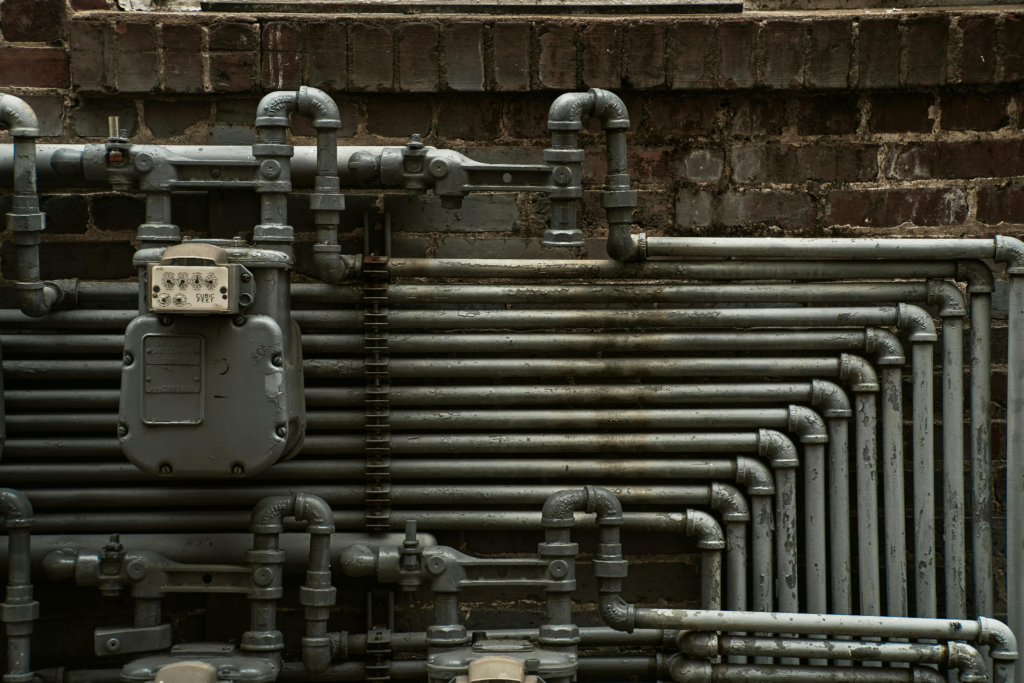
Houses built over 30 to 50 years ago are normally full of character and architectural beauty, but most have an inherited plumbing system that requires attention. Nearly all the piping, fittings, and drains could be either failing or just not fit for a new lifestyle.
A basic plumbing problem could lead to a massive plumbing bill, and there will be the need for a temporary and then a long-term fix. Below are the six most common plumbing problems encountered in old homes, and potential solutions.
1. Corroded Pipes
In many houses older than 30 to 50 years old, you’ll find that the house is built using galvanized steel and cast iron drain pipes. Over the passage of time, it corrodes, the quality of water is negatively affected, and the water pressure is reduced.
Corroded pipes also greatly increase the likelihood of pipe failure and the potential for leaks. Tiny cracks can start invisible, and later develop into a large, water-damaging problem. You may need to replace older pipes with copper pipes or new plastic alternatives that are able to maintain a good flow of water at a lower expense in the long term.
2. Frequent Drain Clogs
In older drainage systems, drains often have a problem managing the accumulation of grease, soap, scum, hair, and all sorts of debris. Additionally, the accumulation of tree roots and pipe cracks underground, can be part of the problem in your pipes, and this can cause you to have recurring sink, tub, or toilet clogs.
To inspect, you will need a qualified professional to check out the issue. Most will use a camera to locate the blockage without doing unnecessary digging. If the issue is found to be caused by damage to your underground pipes, efficient repairs are crucial. What matters is hiring skillful technicians who will use quality parts.
3. Sewer Line Issues
Roots, soil movement, and corrosion can damage sewer pipes. Foul smell around drains, gurgling toilets, or slow drainage is normally due to a backed-up or damaged sewer line. Delaying the necessary maintenance and inspection of your sewer lines can cause serious property damage and present serious health risks.
The proactive plumber will catch damage within the structure of the sewer line before the entire system breaks down. Depending on the severity of the damage, homeowners can choose from no dig pipe repair, section replacements, or complete sewer line replacement.
4. Low Water Pressure
In the old water system, corroded pipes and blocked pipelines, and the number of leaks, often lower the water pressure. Thus, it would affect all parts of the house, from the bathroom to the kitchen.
An inspection of the cause of your reduced water pressure can help you get a clear picture. Sometimes, simple cleaning of faucet aerators and replacement of worn-out valves can take care of it. In many cases, a partial re-piping of your plumbing may be needed to ensure water pressure throughout the house is normal again.
5. Leaking Pipes and Fixtures
Pipe joints loosen, seals deteriorate, and fixtures experience wear from years of daily use. Even minor leaks can waste significant amounts of water and eventually cause structural damage.
It would be better to check and rectify issues at an early stage in order to avoid severe and costly issues. For example, replacing faulty fixtures and checking for weak pipe joints will not cost much and will save you money on your water bills.
6. Outdated Water Heaters
Many of the old houses are equipped with water heaters that have seen better days and often need repair to increase their efficiency. Sediment builds up over the years in the tank, so the heater loses a lot of its heating performance and requires more energy. Other signs of a failing water heater are:
-
Rusty hot water
-
Insufficient hot water supply
-
Moisture around the unit
-
Unusual rumbling sound
Many times, the only real long-term solution if a heater is struggling even after maintenance will be to upgrade to a more energy-efficient new model. This will also help you save money.
Endnote
For old houses, maintenance of the plumbing system is necessary to keep the system at an optimal level and healthy. Many problems may have been prevented or minimized, and a minor fault could become a serious problem with long-term consequences to the property. It’s important to conduct regular inspections and make upgrades or replacements when needed.
More Stories
7 Things to Check Before Making a Decision About a Property
7 Things to Know Before Starting a Career in Real Estate
7 Things to Look for When Choosing Technology for a Real Estate Agency
Artificial Plants for Modern Homes: How to Make Your House Look Natural Without Any Effort