
Blocked drains are one of those issues that can feel minor—until they’re suddenly not. A slow kitchen sink becomes a backed-up gully after heavy rain. A “funny smell” turns into a tenant refusing to use the bathroom. And because drainage problems sit at the messy intersection of property maintenance, tenant expectations, and legal responsibility, they can escalate quickly if you’re not prepared.
For landlords in Essex, the risks can be higher than you’d think. Older housing stock, clay-heavy soil in parts of the county, and a mix of combined and surface water drainage systems mean problems can present differently from one street to the next. If you manage multiple properties, you’ll also know there’s a pattern: drainage issues tend to appear at the worst possible time—Friday evenings, bank holidays, and right before new tenants move in.
Here’s what’s worth knowing so you can handle blocked drains calmly, fairly, and cost-effectively.
Why blocked drains are a bigger deal than they look
A blockage isn’t just an inconvenience. Left unresolved, it can become a property damage event. Wastewater can seep through pipe joints, saturate ground near foundations, or force its way back through low-level fixtures. Even when there’s no dramatic flood, lingering damp and odours can make a home feel uninhabitable.
The most common causes in rental properties
In rental homes, blockages typically fall into two categories:
- Lifestyle-related build-up: cooking fats, wet wipes, sanitary products, excessive toilet paper, hair, and soap scum.
- Property-related faults: root ingress, cracked pipework, misaligned joints, collapsed drains, or inadequate gradients.
That distinction matters because it influences who should reasonably pay—and how to prevent repeat problems.
Landlord vs tenant responsibility: what usually applies
Most tenancy agreements and common practice place day-to-day, “use-related” maintenance on tenants (e.g., not flushing unsuitable items), while landlords are responsible for the underlying structure and repair of the drainage system.
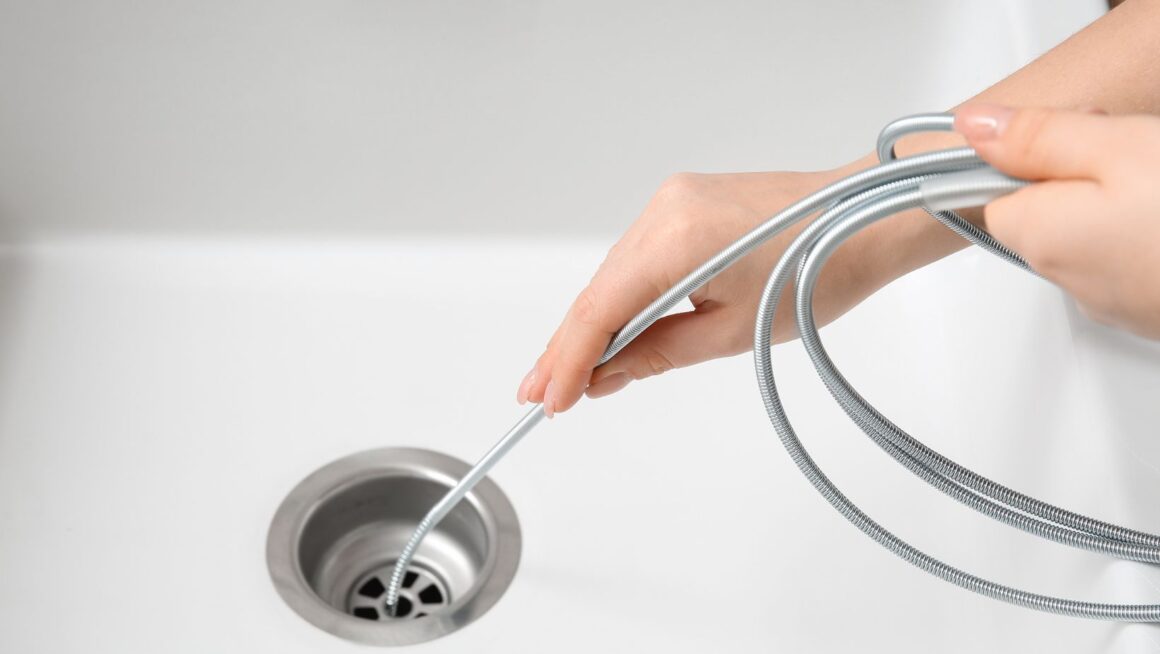
In real life, it’s rarely black and white. A tenant may have caused a blockage, but an old pipe might have been close to failure anyway. Or roots may have entered through a pre-existing crack, and the blockage only became obvious after normal use.
A practical way to approach it
Instead of jumping straight to blame, focus on evidence:
- How long has the issue been developing?
- Is it affecting multiple fixtures (suggesting a main line issue)?
- Are there signs of root intrusion or pipe damage?
- Has this property had the same issue before?
When the cause isn’t obvious—or when there’s a risk of damage—getting it diagnosed properly is usually cheaper than guessing. In those moments, many landlords choose to bring in professional assistance for blocked drains to identify whether the problem is a simple obstruction or something structural that needs repair. The value isn’t just “unblocking”—it’s confirming what you’re actually dealing with, which protects you in any later dispute.
Early warning signs landlords should train themselves to spot
Drainage problems rarely start with a full backup. Tenants may not report small symptoms (or may not connect them to drainage at all), so it helps to know what to ask during routine check-ins.
Common red flags
- Gurgling noises from plugholes or toilets
- Slow drainage in more than one fixture
- Bad smells near sinks, baths, outside gullies, or manholes
- Water rising in the toilet when a sink empties
- Overflowing external gullies after rain
- Patches of unusually lush grass near drain runs (a subtle sign of leakage)
If a tenant reports one of these, it’s worth acting early. A simple clearance now can prevent water damage and a much bigger invoice later.
What makes Essex properties a little different
Essex has a varied mix of drainage challenges. In some areas, heavy clay soil shifts seasonally, which can stress older pipe runs. Coastal locations and low-lying areas may also experience higher groundwater levels, making drainage performance more sensitive during storms. And where homes rely on combined drainage (foul and surface water together), heavy rainfall can expose weaknesses fast.
Period properties and extensions
A common scenario: a period home has been extended over time, and the drainage system has been altered in phases. Multiple connections, older materials, and poorly documented pipe routes can complicate diagnosis. For landlords, that means two things:
- Keep any drainage plans, surveys, or “as built” info you have.
- If you’re buying a rental, treat drainage as a due diligence item, not an afterthought.
Handling a blockage report: a landlord’s calm, repeatable process
When a tenant calls, speed matters—but so does structure. You want to reduce damage, keep communication clear, and create a paper trail.
Here’s a simple approach you can reuse across properties (and it’s the only list you really need):
- Triage the severity: Is there flooding, sewage, or water near electrics? If yes, treat it as urgent.
- Ask a few targeted questions: Which fixtures are affected? Any recent changes (e.g., guests, DIY, heavy rain)?
- Give basic do’s and don’ts: Stop using water if there’s rising levels; don’t use chemical drain cleaners if a main line blockage is suspected.
- Arrange attendance quickly: Even if it’s “just slow,” delay can turn it into a backup.
- Document everything: photos, messages, invoice, and the diagnosed cause.
That process protects tenants and the property—and it also protects you if costs need to be allocated fairly.
Prevention: low-effort steps that reduce callouts
Blocked drains will never disappear entirely, but you can reduce frequency dramatically with a few landlord habits.
Build prevention into the tenancy experience
Tenants don’t always know what counts as “drain-safe.” A short, friendly guidance note at move-in can prevent most wipe- and fat-related issues. Keep it practical: what not to flush, how to dispose of cooking grease, and why “flushable wipes” are still a common cause of blockages.
Schedule sensible checks
If you manage houses with gardens or mature trees, periodic inspection of gullies and manholes can flag early issues like root ingress or recurring build-up. After major storms, a quick check of external drainage points can also catch problems before tenants do.
When a blocked drain becomes a legal or reputational issue
If drainage issues affect sanitation—especially if toilets can’t be used—tenants may argue the property is not fit for occupation, or they may contact environmental health. Even when you’re acting in good faith, delays and poor communication can cause friction.
A good rule: if there’s any chance the issue impacts hygiene, treat it with the urgency you’d give to heating failures in winter. Quick attendance, clear updates, and documented action go a long way.
The takeaway
For Essex landlords, blocked drains sit in the “small problem, big consequences” category. The best outcomes come from early recognition, evidence-based decisions, and a repeatable response process. Handle it quickly, communicate clearly, and don’t be afraid to seek a proper diagnosis when the cause isn’t obvious. That combination keeps tenants happier, reduces repeat callouts, and protects your property long-term.
More Stories
Change Your Living Spaces: Interior Design Hacks
Designing an Office Around How Your Business Operates
How to Plan a Desert Move Without Melting Down: A Practical Guide to Relocating in Southern Utah
The Moving Mistakes Most People Only Make Once (And How to Avoid Them the First Time)